Key takeaways
- Give a new foam topper time to expand and air out before testing it overnight; comfort can change during the first several hours.
- Use a thin, breathable protector if possible. A thick quilted protector can mask the topper’s contouring and increase warmth.
- Rotate the topper periodically if the care instructions permit it, especially when one partner consistently sleeps in the same position.
- Judge spinal alignment with a partner or a side-view photo: your neck, ribs, and pelvis should form a reasonably straight line.
What's inside
Side sleeping concentrates body weight at the shoulder and hip, so a mattress that feels comfortable on your back can create pressure, numbness, or morning stiffness when you sleep on your side. A topper can fine-tune that surface without the cost or disruption of replacing the entire mattress—but only if its cushioning, support, temperature control, and attachment system suit your body and bed.
This guide explains how to choose the best mattress topper for side sleepers in 2026, with an emphasis on spinal alignment, long-term resilience, and practical maintenance. Our recommended picks cover pressure-relieving memory foam, breathable pillow-top construction, deeper-pocket designs, and options for hot sleepers, so you can match the material to both your sleep position and your existing mattress.
As an Amazon Associate we earn from qualifying purchases.



Start with pressure relief, not maximum softness
Side sleepers generally need enough give for the shoulder and hip to sink in while the waist remains supported. A topper that is too firm may leave the spine angled upward from the mattress; one that is excessively plush can let the pelvis drop too far, producing a “hammocked” posture. In practical terms, medium-soft to medium comfort is often a sensible starting point, but body weight, shoulder width, and the firmness of the mattress underneath matter more than a label.
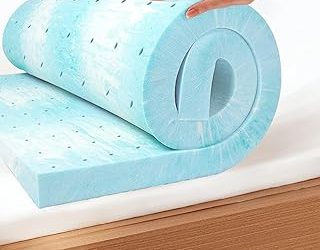
Memory foam is particularly effective at distributing pressure because it conforms around prominent joints. The PERLECARE 3 Inch Gel Memory Foam Mattress Topper is worth considering when you want a noticeable comfort change, a removable washable cover, and a non-slip design. A three-inch topper usually provides more contouring than a thin mattress pad, though it also changes the feel of the bed more substantially.
Choose the right thickness for your mattress
Thickness determines how much the topper can compensate for an overly firm sleep surface. A topper around two to three inches is typically the most versatile range for side sleepers: thick enough to cushion the shoulder and hip, but not so deep that alignment becomes difficult to control. If your mattress is already soft or sagging, adding more material may worsen the problem rather than solve it.
High-density foam can offer better resistance to premature flattening, especially for heavier sleepers or couples. The ViscoSoft 3 Inch Memory Foam Topper uses a high-density, ventilated design and a removable rayon cover, making it a strong candidate when durability and a substantial pressure-relieving layer are priorities. The VALUXE 3 Inch Gel Memory Foam Topper offers a similar depth with a removable bamboo cover and cooling-focused construction.
Balance contouring with temperature control
Traditional memory foam can retain warmth because it closely surrounds the body and limits airflow. Cooling claims should therefore be treated as relative: gel infusions, ventilation channels, breathable covers, and moisture-managing fibers may reduce heat buildup, but they cannot make a dense foam topper feel like an open, airy mattress.
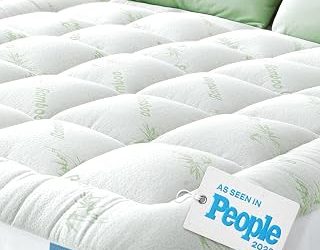
If you sleep hot, look for a washable cover made from breathable fibers and avoid placing a thick waterproof protector over the topper unless necessary. The PERLECARE and VALUXE models combine gel memory foam with removable covers, while the BEDLORE Queen Viscose Bamboo Mattress Topper takes a pillow-top approach with stretchable pockets designed for mattresses from six to 18 inches deep. That style can feel less enveloping than solid memory foam and may suit sleepers who want softness without as much heat retention.
Inspect fit, stability, and construction
A topper that shifts during the night can create uneven support and expose the edges of the mattress. Check the topper’s dimensions against your mattress rather than relying only on the listed bed size. Fitted skirts or deep-pocket sides help hold quilted pads in place, while straps, textured undersides, or non-slip surfaces are useful for foam designs that do not wrap around the mattress.
Also consider the cover as a wear component. Removable, machine-washable covers are easier to maintain than permanently sewn shells, particularly if you use the topper year-round. Allow compressed foam to expand fully in a well-ventilated room before judging its comfort, and follow the manufacturer’s care instructions instead of folding or machine-washing the foam core.
Match the topper to your existing mattress
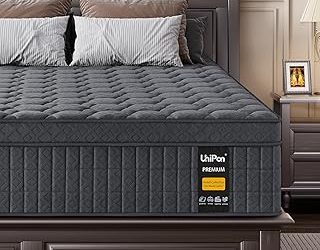
A topper can soften a firm mattress, but it cannot reliably correct deep sagging, broken support layers, or a foundation that flexes excessively. Before buying, lie in your normal side-sleeping position and ask whether your shoulder and hip feel compressed or whether your midsection already sinks. If the mattress has a visible trough, measure it with a straightedge; significant sagging is usually a replacement or warranty issue.
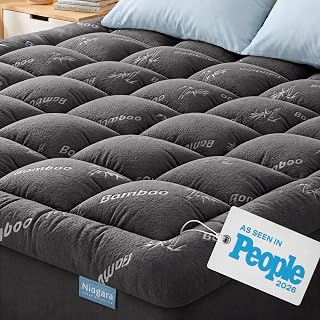
For a softer, more traditional surface, the Niagara Sleep Solution Ultra Soft & Cooling Queen Mattress Topper uses a rayon-derived-from-bamboo pillow-top format with a 20-inch deep pocket. A full-size bed needs a properly sized product, such as the Ultra Soft & Cooling Full-Size Mattress Topper; using the wrong size can cause bunching and uneven coverage. Pillow-top models are generally easier to move and may feel cooler, while foam usually delivers more precise pressure distribution.
Tips
- Give a new foam topper time to expand and air out before testing it overnight; comfort can change during the first several hours.
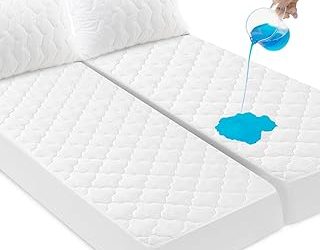
- Use a thin, breathable protector if possible. A thick quilted protector can mask the topper’s contouring and increase warmth.
- Rotate the topper periodically if the care instructions permit it, especially when one partner consistently sleeps in the same position.
- Judge spinal alignment with a partner or a side-view photo: your neck, ribs, and pelvis should form a reasonably straight line.
Frequently Asked Questions
What thickness is best for side sleepers?
Two to three inches is a practical starting point for many side sleepers. Choose closer to two inches if your mattress already has some cushioning, and consider three inches when the surface is quite firm and your shoulder and hip need substantial pressure relief.
Is memory foam or a pillow-top topper better?
Memory foam usually provides more targeted contouring and pressure distribution. A pillow-top design tends to feel loftier, more breathable, and easier to reposition on. Your choice should reflect whether joint cushioning or airflow and surface bounce are more important to you.
Can a topper fix back pain?
It may improve comfort when pain is related to pressure or poor surface alignment, but it is not a treatment for an underlying medical condition. Persistent, severe, or radiating pain deserves advice from a qualified healthcare professional. A topper also cannot repair a structurally sagging mattress.
How long should a mattress topper last?
Service life varies with foam density, usage, body weight, ventilation, and care. Higher-density foam generally resists impressions better than inexpensive low-density foam. Replace a topper when it develops permanent valleys, loses resilience, or no longer keeps your spine comfortably aligned.
Conclusion
The best mattress topper for a side sleeper is not simply the thickest or softest option. Prioritize pressure relief at the shoulder and hip, enough resistance to keep your pelvis level, a secure fit, and a cover you can clean. For deep contouring, compare the PERLECARE, ViscoSoft, and VALUXE foam designs; for a cooler, more pillow-like feel, consider BEDLORE or the Niagara Sleep Solution models, selecting the correct size and pocket depth for your mattress.