Key takeaways
- Side sleepers: Usually benefit from moderate cushioning at the shoulder and hip. Memory foam or a generously filled pillow-top topper can reduce pressure, provided it does not let the pelvis sink too far.
- Back sleepers: Need a balance between contouring and resistance. Medium-density memory foam, such as the ViscoSoft 3-Inch option, can cushion the lumbar area while limiting excessive sinking.
- Stomach sleepers: Generally need a flatter, more resilient surface. Very thick, soft toppers may allow the abdomen and hips to dip, increasing strain through the lower back.
- Combination sleepers: Often prefer moderate thickness and easier repositioning. Deeply contouring foam can feel comfortable initially but may make turning more effortful.
What's inside
Back pain can make a mattress feel like an expensive mistake, but replacing the entire bed is not always the first—or most sensible—step. A well-chosen topper can fine-tune surface pressure, reduce the feeling of sagging, and improve spinal comfort. It cannot repair a collapsed mattress, however, and a soft layer is not automatically a supportive one.
This guide approaches toppers from an ergonomics and durability perspective. You’ll learn how firmness, thickness, material, sleeping position, heat management, and attachment systems affect real-world comfort, plus how to judge whether a topper is likely to help or simply mask a worn-out mattress.
As an Amazon Associate we earn from qualifying purchases.


Our Recommended Picks
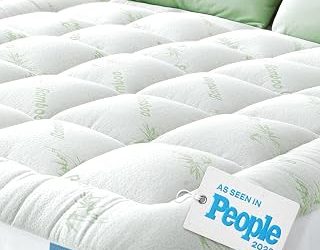
These models cover several useful approaches, from breathable quilted padding to substantial memory foam. The Niagara Sleep Solution Ultra Soft & Cooling topper and BEDLORE Viscose Bamboo topper suit shoppers who want a softer, cooler pillow-top feel. ELEMUSE offers thick down-alternative filling with a plush surface, while the ViscoSoft 3-Inch Memory Foam topper provides more structured contouring and pressure distribution.
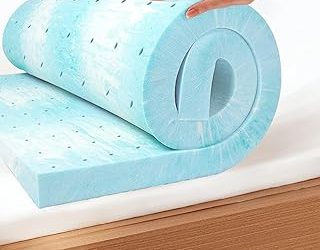
For the greatest change in surface height, the WhatsBedding 5-Inch Memory Foam topper and SHOUREN 5-Inch Gel Memory Foam topper are worth considering. Extra thickness can be helpful on a firm mattress, but it also increases the risk of a hammock-like feel if the underlying bed already sags. Check your mattress condition before choosing the thickest option.
Start With the Mattress You Already Have
A topper works by modifying the upper comfort layers; it does not restore broken springs, compressed foam, or a permanently sagging foundation. Lie on your mattress and assess your spine rather than judging it only by softness. In a neutral side-sleeping position, your shoulders and hips should sink enough for your spine to remain roughly level. On your back, your lower back should feel supported without a large unsupported gap or a forced arch.
If you roll toward the center, feel a pronounced dip, or hear damaged support components, a topper may provide only temporary relief. A thinner comfort layer can improve a serviceable but overly firm mattress. A thicker foam or pillow-top design is more appropriate when the mattress is structurally sound but lacks pressure relief.
Match Firmness and Material to Your Sleep Position
- Side sleepers: Usually benefit from moderate cushioning at the shoulder and hip. Memory foam or a generously filled pillow-top topper can reduce pressure, provided it does not let the pelvis sink too far.
- Back sleepers: Need a balance between contouring and resistance. Medium-density memory foam, such as the ViscoSoft 3-Inch option, can cushion the lumbar area while limiting excessive sinking.
- Stomach sleepers: Generally need a flatter, more resilient surface. Very thick, soft toppers may allow the abdomen and hips to dip, increasing strain through the lower back.
- Combination sleepers: Often prefer moderate thickness and easier repositioning. Deeply contouring foam can feel comfortable initially but may make turning more effortful.
“Soft” and “supportive” describe different properties. Softness is the initial pressure response; support is how well the material resists unwanted sinking and keeps your body aligned. Look for a topper that cushions prominent body areas without allowing your midsection to become the lowest point.
Choose Thickness With Restraint
Thickness changes both comfort and geometry. A 2- to 3-inch topper can noticeably soften a firm mattress while preserving more of its original support. Four- and 5-inch models create a deeper comfort system and may be useful for people with pronounced pressure sensitivity, but they can also alter how easily you move and make fitted sheets harder to secure.
Before buying, measure the mattress and confirm the topper’s dimensions. Account for the topper’s loft, not just its advertised thickness, because overfilled quilted products may compress substantially under body weight. Deep-pocket fitted sheets or topper straps are valuable when the combined mattress height exceeds standard bedding dimensions.
Manage Heat, Motion, and Durability
Memory foam is effective at distributing pressure, but dense foam can retain warmth and may slowly soften with use. Gel infusions and ventilated designs can help somewhat, although bedroom temperature, bedding, and personal heat sensitivity often matter more. Bamboo-derived rayon covers, found on products such as the Niagara and ViscoSoft toppers, can feel smooth and breathable, but the cover material alone does not guarantee a cool sleep surface.
Quilted fiber-fill toppers usually allow easier movement and offer a familiar pillow-top feel. Their trade-off is potential flattening, shifting, or uneven fill. Check whether the cover is removable and washable, whether the filling is secured by substantial quilting, and whether the topper has elastic straps or a skirt that can resist bunching. Foam models should be aired out according to the manufacturer’s instructions before use, especially if they arrive compressed.
Tips
- Give a new topper several nights before judging it, but stop if it causes persistent or worsening pain.
- Rotate a fiber-filled topper regularly and redistribute its filling to reduce body impressions.
- Use a washable protector over the topper to limit sweat, spills, and premature material breakdown.
- Confirm the return policy before buying; comfort is highly individual, and showroom impressions rarely predict a full night’s sleep.
Frequently Asked Questions
Can a mattress topper fix back pain?
It may reduce discomfort caused by excessive firmness or inadequate pressure relief, but it cannot treat every cause of back pain. A topper is unlikely to solve pain arising from a severely sagging mattress, an unsuitable bed base, or an underlying medical condition. Seek clinical advice for severe, persistent, or radiating pain.
Is memory foam or a pillow-top topper better for back pain?
Neither is universally better. Memory foam generally offers more consistent contouring and motion isolation, while a pillow-top design may feel cooler and easier to move on. Choose according to sleeping position, heat preference, and how much your mattress needs to change.
How thick should a mattress topper be?
For most shoppers, 2 to 3 inches is a practical starting point. Consider 4 or 5 inches only when you specifically need substantial cushioning and the mattress underneath is still level and supportive. Greater thickness is not a substitute for correct firmness.
How long does a mattress topper last?
Service life depends on material quality, body weight, usage, heat, and care. A high-density foam topper can remain useful for several years, while fiber-filled products may need more frequent fluffing and replacement. Visible permanent compression, uneven support, or new morning discomfort are signs to reassess it.
Conclusion
The best mattress topper for back pain in 2026 is the one that improves alignment without allowing your hips or abdomen to sink too deeply. Begin with the condition of your mattress, then match material and thickness to your sleeping position and temperature preferences. Prioritize secure fit, removable care-friendly covers, and a credible return policy over impressive loft alone. A topper should make a sound mattress work better—not disguise a mattress that has reached the end of its useful life.