Key takeaways
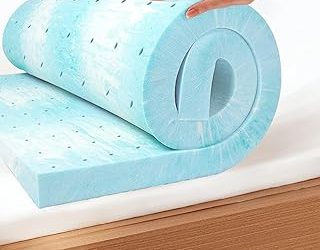
- 2 inches: A modest comfort adjustment that preserves more of the mattress’s original feel. It suits sleepers who need light cushioning or have a relatively supportive mattress. The Sleepyhead Twin XL 2-inch cooling gel topper is a practical dorm-room example, particularly when portability and a washable cover matter.
- 3 inches: The most versatile range for pressure relief. It offers meaningful contouring without completely separating you from the support below. The JSELF 3-inch gel memory foam topper adds a removable cover, wave-textured surface, and non-slip construction.
- 4 to 5 inches: A substantial comfort change for heavier sleepers, very firm mattresses, or beds needing extra cushioning. More height also increases the risk of excessive sink, so foam density and your sleeping position become especially important. The SHOUREN 5-inch topper is aimed at shoppers seeking deep contouring and uses four-way straps to limit movement.
What's inside
A mattress topper can change how a bed distributes pressure, but it cannot correct every cause of back pain. The right choice depends on your sleeping position, body weight, current mattress condition, temperature preference, and how much support the bed has lost. A soft topper may relieve pressure on the hips and shoulders; a firmer, resilient layer may help prevent the pelvis from sinking too deeply.
This guide approaches toppers from an ergonomics-and-durability perspective. You’ll learn how to match thickness and material to your sleep posture, identify useful construction details, avoid common buying mistakes, and choose among several practical options for different beds and budgets. If pain is persistent, severe, or accompanied by numbness or weakness, consult a qualified healthcare professional rather than relying on bedding alone.
As an Amazon Associate we earn from qualifying purchases.


Start With the Mattress Beneath the Topper
A topper is a comfort layer, not a replacement for a structurally failed mattress. If the underlying mattress has a pronounced dip, broken springs, or uneven support, adding foam can disguise the problem briefly while allowing poor spinal alignment to continue. Measure the deepest visible sag and lie on the mattress in your usual position. If your hips sink noticeably lower than your shoulders, a very plush topper is unlikely to solve the issue.
For a mattress that is fundamentally level but feels too hard, a topper can be highly effective. Memory foam is especially useful for distributing load across the shoulders, hips, and lower back. For a bed that feels too soft, choose a thinner, more resilient topper and consider replacing the mattress if your midsection still sinks after the change.
Choose Thickness by Support Need
- 2 inches: A modest comfort adjustment that preserves more of the mattress’s original feel. It suits sleepers who need light cushioning or have a relatively supportive mattress. The Sleepyhead Twin XL 2-inch cooling gel topper is a practical dorm-room example, particularly when portability and a washable cover matter.
- 3 inches: The most versatile range for pressure relief. It offers meaningful contouring without completely separating you from the support below. The JSELF 3-inch gel memory foam topper adds a removable cover, wave-textured surface, and non-slip construction.
- 4 to 5 inches: A substantial comfort change for heavier sleepers, very firm mattresses, or beds needing extra cushioning. More height also increases the risk of excessive sink, so foam density and your sleeping position become especially important. The SHOUREN 5-inch topper is aimed at shoppers seeking deep contouring and uses four-way straps to limit movement.
Match the Material to Your Sleeping Position
Side sleepers usually benefit from pressure relief at the shoulder and hip. A 3-inch memory-foam topper or a thick pillow-top design can fill the waist-to-mattress gap and reduce concentrated loading. However, an overly soft surface may let the pelvis rotate forward, so check that your spine remains roughly level when viewed from behind.
Back sleepers generally need a balance between cushioning and resistance. Medium-firm memory foam can cradle the lumbar region while limiting excessive hip sink. Stomach sleepers should be more cautious with thick, soft toppers because they can allow the abdomen and pelvis to drop, increasing lower-back extension. A thinner, firmer layer is usually the safer starting point.
Combination sleepers should prioritize easier movement. Deeply contouring, slow-response foam can feel comfortable in one position but restrictive when turning. A responsive 2- or 3-inch layer may provide a better compromise than an extra-thick topper.
Evaluate Foam, Fill, and Temperature Control
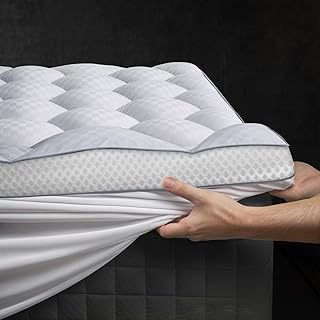
Memory foam is valued for pressure distribution and motion isolation, but dense foam can retain heat. Look for gel infusion, ventilated or waved geometry, and a breathable cover, while keeping expectations realistic: a “cooling” topper cannot overcome a hot room, heavy bedding, or a mattress with poor airflow. The JSELF topper combines gel memory foam with a wave-textured surface, while the 3 Inch Ultra-Fluffy Memory Foam topper uses breathable air-mesh sides and a deep-pocket mattress pad design.
Pillow-top toppers filled with down alternative or polyester fibers feel airy and immediately plush. They are often easier to move on than memory foam, but they compress and migrate more readily. The Extra Thick 1000GSM Down Alternative topper is suited to shoppers who prefer a cushioned, hotel-style surface rather than close body contouring. Fiber toppers may also require regular shaking and rotation to maintain even loft.
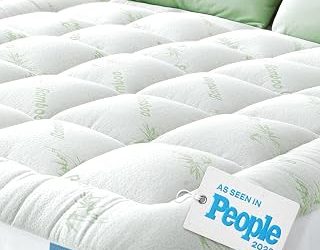
Natural-feeling covers can improve moisture management and surface comfort. The BEDLORE viscose bamboo topper, for example, is designed for breathability and has stretchable pockets. Treat fabric claims as comfort features, not proof that the entire product sleeps cool or will remain supportive indefinitely.
Check Fit, Stability, and Long-Term Maintenance
A topper that shifts several inches overnight can undermine otherwise good ergonomics. Measure the mattress, topper, and fitted-sheet depth together. Deep-pocket sheets are helpful, but elastic quality matters too. Straps, non-slip backing, or a textured underside can improve stability, especially on adjustable beds or smooth mattress covers.
Look for a removable, machine-washable cover when possible. Foam itself is generally spot-cleaned rather than machine-washed, so a washable cover is an important hygiene and durability feature. Allow a new foam topper to expand fully in a ventilated room before sleeping on it, and follow the manufacturer’s instructions for temperature, laundering, and rotation.
Certifications such as CertiPUR-US and OEKO-TEX can provide useful information about tested emissions or material standards, but they do not guarantee that a topper is comfortable, firm enough, or durable for your body. Read the warranty and return policy carefully. A trial period is particularly valuable because spinal comfort is difficult to predict from a product description.
Tips
- Lie on the topper in your normal sleep position for at least 10 minutes before judging it, rather than evaluating it only by hand.
- Use a straight-edge or photograph from behind to check whether your spine remains reasonably aligned, especially when side sleeping.
- Rotate the topper periodically if the manufacturer permits it, and keep the bed supported by a sound, properly spaced foundation.
- Do not stack multiple soft toppers to fix a sagging mattress; replace the mattress or have the foundation inspected instead.
Frequently Asked Questions
Is a firm or soft topper better for a bad back?
Neither is universally best. A topper should reduce pressure without allowing your pelvis or abdomen to sink below the rest of your body. Side sleepers often need more cushioning, while stomach sleepers commonly do better with a thinner, more supportive layer. Your current mattress firmness is equally important.
What thickness is best for back pain?
Three inches is a sensible starting point for many adults because it provides noticeable pressure relief while retaining some support from the mattress below. Choose 2 inches for a smaller adjustment, or consider 4 to 5 inches when the mattress is exceptionally firm and you need substantial cushioning.
Will a mattress topper fix a sagging mattress?
No. It may temporarily make a dip feel less obvious, but it cannot restore the mattress’s underlying support. A persistent sag can keep your spine in an awkward position and may shorten the topper’s useful life.
How long should a mattress topper last?
Service life varies with foam density, body weight, use, ventilation, and rotation. A topper that develops permanent body impressions, loses its original height, or causes new pressure points should be replaced, even if its stated warranty has not expired.
Conclusion
The best mattress topper for a bad back is the one that improves pressure distribution while preserving neutral alignment. For most shoppers, a well-made 3-inch topper is the most balanced starting point; thinner options suit minor comfort changes, while thicker models require careful attention to sink and movement. Confirm the mattress is still structurally sound, prioritize secure fit and washable covers, and use the return policy to test real overnight comfort rather than relying on marketing language alone.