Key takeaways
- Measure doorways, stair turns, ceiling height, and the chair’s full reclined footprint before ordering.
- Begin with short, low-intensity sessions; increase duration only if your body responds comfortably.
- Keep children away from moving footrests and reclining joints, and use the child lock when provided.
- Place the chair on a level surface, keep vents unobstructed, and follow the cleaning and inspection instructions.
What's inside
A massage chair is a substantial piece of home furniture, not simply a larger version of a handheld massager. Its frame, track geometry, moving rollers, air compression, heat, and reclining mechanism all affect how comfortably and safely it works day after day. The best model is the one that fits your body, room, and recovery habits—not necessarily the one with the longest feature list.
This guide assesses massage chairs from an ergonomics-and-durability perspective. You will learn how to compare roller tracks, zero-gravity positioning, body scanning, airbags, heat, controls, maintenance needs, and practical room fit. The models below offer useful starting points, but your height, shoulder width, mobility, and preferred massage intensity should decide the final choice.
As an Amazon Associate we earn from qualifying purchases.


🛒 Best Price Today on Amazon
Prime members get fast, free shipping on everything above, plus member-only deals. New members get a 30-day free trial — cancel anytime.
Our Recommended Picks
1. Start With Fit, Not Features
A massage chair should support your body in a neutral, stable position before the massage begins. Check the manufacturer’s recommended height and weight range, then pay particular attention to the shoulder area, seat depth, foot wells, and calf length. If your shoulders sit noticeably above the chair’s shoulder airbags or your feet do not reach the foot rollers comfortably, even an advanced chair may feel poorly targeted.
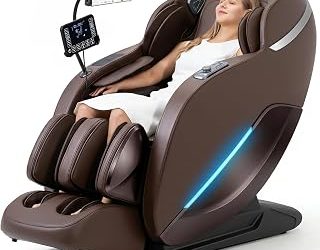
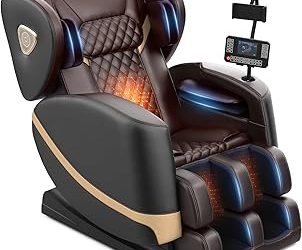
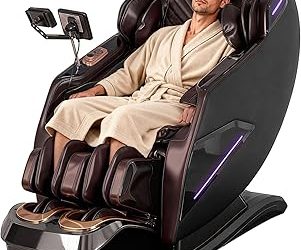
Body scanning can improve positioning by estimating the location of your shoulders and spine before a program starts. It is helpful, but it is not a substitute for good physical fit. Compare the scan’s adjustment range with your own height, and look for manual position controls so you can correct the rollers when necessary. The Real Relax Favor-06, for example, combines a 3D SL-track design with a phone controller, app control, child lock, and pause button—features that can make adjustment and stopping more convenient.
2. Understand the Track and Recline System
The track determines where the rollers travel. An S-track follows the natural curve of the spine, while an SL-track continues beneath the seat to massage more of the glutes and hamstrings. A longer track can provide broader coverage, but the chair still needs to place its rollers accurately for your frame. A 3D or 4D system adds control over roller depth and, in some designs, movement speed or rhythm. These labels describe capability, not guaranteed comfort.
Zero-gravity recline can reduce pressure on the hips and lower back by distributing body weight across the backrest and leg support. It is often comfortable for reading or resting, but allow adequate clearance behind and in front of the chair. Some models move forward while reclining; others need substantial wall space. Measure the operating footprint rather than relying only on the chair’s upright dimensions.
3. Match Massage Intensity to Your Body
More rollers, airbags, and techniques do not automatically produce a better massage. Deep roller pressure may suit someone accustomed to firm sports massage, but it can be unpleasant for sensitive users or anyone with acute soreness. Airbags should compress evenly without pinching the hands, shoulders, calves, or feet. Adjustable intensity, roller width, speed, and targeted areas are more valuable than impressive maximum specifications.
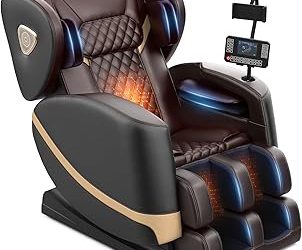
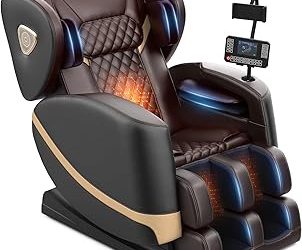
For example, the FURNIMAT Full Body Zero Gravity Recliner lists 14 shiatsu rollers, 10 airbags, five automatic modes, heat, foot massage, Bluetooth, and a touchscreen. The 4D Full Body Zero Gravity model lists 15 automatic modes, 11 techniques, 40 airbags, yoga stretch, app control, body scanning, and shiatsu foot massage. These features suggest flexibility, but test the gentlest setting first and increase intensity gradually. A good chair should let you finish a session feeling looser—not bruised or numb.
4. Evaluate Controls, Heat, and Everyday Usability
Controls matter because a chair that is difficult to operate will be used less often. A clear remote, physical pause button, readable display, and easy access to stop controls are practical advantages. App control can offer more customization, while a dedicated handset may be preferable if you do not want to use a phone. Voice prompts or broadcast guidance can help, but they should be optional rather than intrusive.
Heat is best treated as a comfort feature, not a medical treatment. Look for clearly stated heated zones, adjustable settings, and an automatic shutoff. Foot and calf heating can be welcome in colder rooms, as offered by the Real Relax Full Body Shiatsu model with waist and calf heating. The Real Relax 2026 SL-Track model adds an upgraded LCD screen, voice broadcast, a headrest cushion, child lock, and pause button—useful details for household convenience.
5. Inspect Durability and Home Fit
A massage chair contains motors, actuators, upholstery, control electronics, and moving joints. Durability depends on the construction and on how realistically the chair is used. Look for a sturdy base, smooth reclining motion, protected wiring, replaceable or serviceable upholstery where available, and a clearly explained warranty. Confirm whether delivery includes room placement, assembly, and removal of packaging; many full-body chairs are heavy and awkward to maneuver.
Controls and accessories should also be judged over time. The Real Relax Full Body Dual-Core S-Track model combines zero-gravity reclining with app and LCD control, Bluetooth, and a dual-core S-track layout. The brand’s more basic Full Body Zero Gravity model offers pre-assembled delivery, six automatic modes, foot massage, heating, and Bluetooth. Simpler chairs can be sensible purchases when they provide the positioning and pressure controls you will actually use.
Tips
- Measure doorways, stair turns, ceiling height, and the chair’s full reclined footprint before ordering.
- Begin with short, low-intensity sessions; increase duration only if your body responds comfortably.
- Keep children away from moving footrests and reclining joints, and use the child lock when provided.
- Place the chair on a level surface, keep vents unobstructed, and follow the cleaning and inspection instructions.
Frequently Asked Questions
Is a massage chair suitable for daily use?
Many people can use one daily at a comfortable intensity, but sessions should remain moderate. Follow the manufacturer’s time limits and stop if you experience pain, tingling, dizziness, or unusual discomfort. If you have a significant medical condition, are pregnant, use an implanted medical device, or recently had surgery, ask a qualified clinician before using one.
Are 3D and 4D massage chairs worth the extra cost?
They can be worthwhile if you want adjustable roller depth, speed, or a more tailored massage. However, fit and control range matter more than the label. A well-fitting 2D or 3D chair may be more comfortable and durable for you than a poorly fitting 4D model.
Does zero gravity help lower-back comfort?
Reclining can reduce pressure and make the chair feel more supportive, particularly when the leg rest and lumbar area fit correctly. It does not diagnose or treat back problems, and a massage chair should not replace professional care for persistent or severe pain.
What is the most important feature to compare?
Compare adjustability first: body-size range, shoulder and foot positioning, roller depth, intensity settings, and the ability to pause or target areas. These features determine whether the chair remains comfortable after the novelty of automatic programs wears off.
Conclusion
The best massage chair for 2026 is a stable, well-fitting recliner with controls you understand and intensity you can tolerate consistently. Use advanced features such as body scanning, SL-tracks, heat, apps, and airbags as ways to improve personalization—not as substitutes for ergonomic fit or dependable construction. Measure your space, compare warranty and delivery details, and choose the chair that makes comfortable, repeatable use easy.