Key takeaways
- Test the frame with your own mattress if possible; a base can feel very different with another model’s foam or spring construction.
- Keep the moving parts clear of cords, storage bins, and bedding that could become trapped beneath the frame.
- Use the manufacturer’s recommended incline limits instead of repeatedly running the motor against its endpoint.
- For a full-size room or guest room, compare the Tami Tami T450 Full with the Best Choice Products Full model, paying close attention to leg height, capacity, and available floor space.
What's inside
An adjustable bed frame can do more than raise your head at bedtime. Used correctly, it can reduce pressure at the shoulders and hips, make reading or watching television more comfortable, and help some sleepers find a position that eases snoring or reflux. But the best model is not simply the one with the most buttons. Motor noise, lifting stability, mattress compatibility, control layout, leg height, and long-term durability all matter.
This guide evaluates adjustable bases from an ergonomics-and-durability perspective. You’ll learn how to match the frame to your sleeping position, check whether your mattress is suitable, compare useful features with gimmicks, and assess the practical details that determine whether a bed remains comfortable and reliable after years of nightly use.
As an Amazon Associate we earn from qualifying purchases.


Start with the sleeping position you actually use
Adjustability is valuable only when it supports a repeatable, comfortable posture. Side sleepers usually benefit from a modest head elevation paired with a mattress that allows the shoulders and hips to sink without forcing the spine sideways. A steep incline can increase pressure on the shoulder, so small adjustments are often better than a dramatic “zero-gravity” pose.
Back sleepers may appreciate a gentle head lift and a slight bend at the knees. This combination can reduce the feeling of strain through the lower back by distributing contact across more of the mattress. Stomach sleepers should be more cautious: raising the head or feet too far can exaggerate the arch in the lumbar region. If you share the bed, look for independent adjustment on split configurations rather than assuming one position will suit both people.
Check the mattress before buying the base
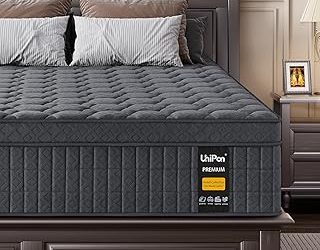
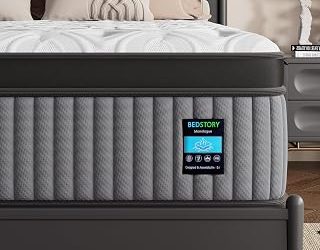
Most adjustable frames are designed for flexible foam, latex, or hybrid mattresses. The mattress must bend repeatedly without damaging its internal structure. An older innerspring mattress with rigid edges, thick coils, or a connected border may resist movement and place unnecessary stress on the motor. Always check the mattress manufacturer’s compatibility guidance, especially if the mattress is unusually thick or heavy.
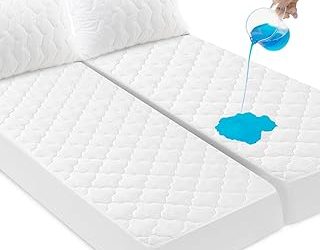
Mattress weight also affects performance. A base that raises an exceptionally heavy mattress may move more slowly, make more noise, or experience greater wear. When a package includes both a frame and mattress, such as the Twin XL Adjustable Bed Frame with 12 Inch Gel Memory Foam Mattress, confirm the stated weight limits for the complete setup—not just the base alone. A mattress protector should be flexible enough to move with the bed and should not have rigid straps that interfere with the mechanism.
Prioritize the load-bearing parts
Durability begins with the frame’s structure. Inspect the listed weight capacity, but treat that figure as a design limit rather than a target for constant overload. Include the mattress, sleepers, bedding, and any regular movement when considering capacity. A heavy-duty king model, such as the Heavy Duty King Adjustable Bed Frame, may be appropriate for a larger mattress and two adults, but verify that its dimensions and support requirements match your room and mattress.
Legs deserve particular attention. Height-adjustable legs are useful when you need clearance for storage or want the mattress at a more accessible sitting height. However, every leg should sit firmly on the floor, and the frame should not rock when weight shifts. Upholstered surrounds can improve appearance and soften edges, while a simpler exposed base may be easier to inspect and maintain. Whichever style you choose, look for a broad, stable footprint and a reliable mattress-retention bar or surface.
Separate useful features from decoration
A wireless remote should have clearly labeled, tactile controls that are easy to identify in low light. Preset positions such as flat and zero gravity are convenient, but manual adjustment is more important because comfort varies by body shape and mattress firmness. A memory function can be useful for couples or households with different routines.
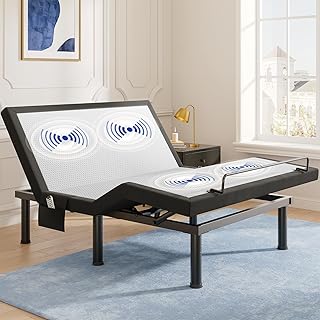
Massage settings are best viewed as an occasional comfort feature, not a substitute for therapeutic treatment. USB ports, under-bed lighting, and side pockets can be genuinely practical, particularly in bedrooms with limited bedside space. The Tami Tami T600 Queen, Amada Queen 01B-Q1, and Best Choice Products Ergonomic Full Size models each emphasize combinations of these conveniences. Check the number and placement of ports, since a connector hidden under the frame is less useful than one you can reach from bed.
Measure the room and listen for operating noise
An adjustable bed needs enough clearance to move safely. Measure the room, doorways, stairwells, and the route to the bedroom before delivery. Leave space for the frame’s full length and for access to power connections. If the base includes under-bed lighting, remember that clearance may change if you add a thick rug or storage containers.
Motor noise is another everyday consideration. A quiet lift motor is less disruptive when one person adjusts position after the other has fallen asleep. The Tami Tami T450 Full highlights quiet operation and three height-adjustable legs, while the included remote and nightlight may suit a smaller bedroom. No electric mechanism is silent, however; listen for grinding, hesitation, or uneven movement during testing, as these may indicate a problem rather than normal operation.
Tips
- Test the frame with your own mattress if possible; a base can feel very different with another model’s foam or spring construction.
- Keep the moving parts clear of cords, storage bins, and bedding that could become trapped beneath the frame.
- Use the manufacturer’s recommended incline limits instead of repeatedly running the motor against its endpoint.
- For a full-size room or guest room, compare the Tami Tami T450 Full with the Best Choice Products Full model, paying close attention to leg height, capacity, and available floor space.
Frequently Asked Questions
Are adjustable bed frames good for side sleepers?
They can be, provided the incline is moderate and the mattress cushions the shoulders and hips. Start with a small head elevation and adjust gradually. If your shoulder bears more pressure or your waist feels unsupported, the mattress firmness may be a bigger issue than the frame.
Can I use my existing mattress?
Often, but not always. Flexible foam and many hybrids are commonly compatible, while rigid innerspring designs may not bend correctly. Check both the frame and mattress specifications before purchase, including thickness, weight, and any restrictions on use with an adjustable base.
Is zero gravity the best setting for sleeping?
Not necessarily. Zero gravity is a useful starting preset that raises the upper body and bends the knees, but the ideal position depends on your anatomy, mattress, and comfort preferences. Many people sleep better with a flatter, less pronounced adjustment.
Do I need a split adjustable base?
A split base is most useful for couples who prefer different positions or schedules. It can also simplify handling of larger mattresses, though it may introduce a center seam and require compatible bedding. If both sleepers want the same setting, a single base may be simpler and less expensive.
Conclusion
The best adjustable bed frame is a stable, quiet foundation that works with your mattress and supports the way you really sleep. Prioritize weight capacity, reliable legs, smooth independent movement, and a straightforward remote before adding massage, lighting, or charging ports. Models such as the Tami T600, Amada Queen, and Heavy Duty King can be appealing for their feature sets, but careful measurements and compatibility checks are what turn a promising purchase into a durable bedroom upgrade.