Our Top Picks
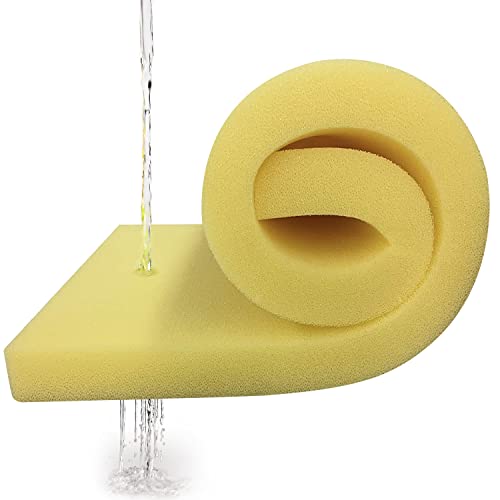 AK Trading CO. Durable and Water-Resistant Dry Fast1 Count (Pack of 1)72 x 24 x 4 inches7.1 poundsCheck on Amazon
The best foam for outdoor cushions is a quick-drying open-cell foam when your seats sit in rain or morning dew, and a firm high-density polyurethane block when your cushions live under cover or come indoors between uses. Among the replacement foams we compared, the SUNROX DryFast 3-inch sheet is our top pick for exposed seating, and the Frienda 2-pack of 4-inch squares is the runner-up for covered porches and dry decks where firm support matters more than drainage.
This guide is research-based. We did not personally use these products; we compared listing details, manufacturer and foam-supplier guidance, and published buying advice from upholstery suppliers. Where a spec is not stated in the listing, we write “not listed” instead of guessing.

GoTo Foam 3" Height x 24" Width x 72" Length 44ILD (Firm) Upholstery Cushion Made in USA
Picked as a relevant option in this category.
View on Amazon
GoTo Foam 2" Height x 24" Width x 72" Length 43ILD (Firm) Upholstery Cushion Made in USA
Picked as a relevant option in this category.
View on AmazonGoTo Foam 1" Height x 24" Width x 72" Length 44ILD (Firm) Upholstery Cushion Made in USA
Picked as a relevant option in this category.
View on AmazonAK Trading CO. Durable and Water-Resistant Dry Fast Foam for Indoor and Outdoor Furniture Cushions - 4" Thick x 24" Wide x 72" Long
Chosen because it specifies 4" Thick x 24" Wide x 72" Long.
View on AmazonTop Picks at a Glance
- Best Overall for Wet Climates: SUNROX DryFast 3″ x 24″ x 72″ sheet.
- Best for Deep Seats and Corner Pieces: FoamRush Water-Resistant Dry Fast 6″ x 24″ x 24″.
- Best Value Firm Foam for Covered Spaces: Frienda 2-pack 4″ x 24″ x 24″ (2.2 density, 50 ILD).
- Best Budget Seat Replacement: Foamma 4″ x 24″ x 24″ outdoor foam cushion replacement.
- Best Long Bench Sheet: GoTo Foam 3″ x 24″ x 72″ (44 ILD, firm).
- Best Thick Backup Block: FOAMYFOAM 6″ x 24″ x 24″ high density.
- Best Dry Fast Alternative: AK Trading Co. Dry Fast Foam, 4″ thick x 24″ wide.
Quick Comparison Table
| Product | Best for | Key specs (from listing) | Watch for | Price tier |
|---|---|---|---|---|
| SUNROX DryFast 3″ | Rain-exposed seating | 3 x 24 x 72 in; dry-fast, all-weather foam | Density and ILD not listed | Premium |
| FoamRush Dry Fast 6″ | Deep seats, ottomans | 6 x 24 x 24 in; water-resistant dry-fast | Thick block needs a deep cover | Premium |
| AK Trading Dry Fast 4″ | Dry-fast foam by the sheet | 4 in thick, 24 in wide; length not listed in the title | Confirm length before ordering | Premium |
| Frienda 2-pack 4″ | Covered porches | 4 x 24 x 24 in; 2.2 density; 50 ILD | Standard foam holds water | Mid-range |
| Foamma 4″ outdoor | One-off seat swap | 4 x 24 x 24 in; high-density polyurethane | Density and ILD not listed | Budget |
| GoTo Foam 3″ x 72″ | Benches, chaise pads | 3 x 24 x 72 in; 44 ILD firm; made in USA | Not a dry-fast foam | Budget |
| FOAMYFOAM 6″ x 24″ | Extra-thick seats | 6 x 24 x 24 in; high density | ILD not listed | Budget |
Foam Density and ILD: What the Numbers Mean for Outdoor Cushions
Two numbers decide how an outdoor cushion foam behaves. Density (pounds per cubic foot) predicts durability: more material per cubic foot means the foam resists sagging for more seasons. ILD (indentation load deflection) describes firmness: a higher ILD feels harder. Supplier guides such as Sailrite’s outdoor foam guide describe dry-fast (reticulated) foam in the roughly 1.8 to 2.2 lb per cubic foot range, and describe typical retail high-density upholstery foam at about 1.8 density with ILD around 43 to 50. Cheap cushions often use 1.2 to 1.5 density foam that flattens after a season. These supplier figures come from sellers, not independent labs, so treat them as ranges rather than guarantees.
A quick worked example shows why thickness and density matter together. A 24 x 24 x 4 inch block is 2,304 cubic inches, or about 1.33 cubic feet. At 1.8 lb per cubic foot it holds roughly 2.4 pounds of foam. The same block in a 1.5 density foam holds about 2.0 pounds, around 17 percent less material to support your weight each day. Going from 4 inches to 6 inches in the same density adds 50 percent more foam and a noticeably longer time before you “bottom out” on the frame.
How to Choose the Right Foam for Your Cushions, Step by Step
- Measure the old cover, not the old foam. Old foam compresses and crumbles, so the cover is your reliable measurement. Measure length, width, and the cover’s seam-to-seam thickness. Many upholsterers recommend foam that matches the cover size or runs slightly larger so corners fill out; follow the cover maker’s guidance if you have it.
- Decide where the cushion lives. Rain-exposed or humid locations point to dry-fast (reticulated) foam. Covered porches, sunrooms, or cushions stored indoors can use firm high-density polyurethane at a lower cost.
- Pick thickness by use. Seat bases usually want 4 inches or more; backs and decorative pillows are comfortable at 2 to 3 inches. Deep-seating sofas often take 5 to 6 inch seat cushions.
- Match firmness to the job. Seats need firmer foam (the ILD range cited above, roughly 40 to 50) while backrests can be softer. Very soft foam in a seat base sags quickly.
- Cut cleanly. An electric carving knife or a long serrated blade held vertical gives a straight edge. Mark all sides, cut slowly, and avoid sawing back and forth.
- Wrap in polyester batting. A layer of upholstery batting around the foam rounds the edges and helps the cover slide on. Batting also reduces the sharp “boxy” look of raw foam.
1. SUNROX DryFast 3″ x 24″ x 72″: Best for Rain-Exposed Seating
- Size: 3 x 24 x 72 inches (a long sheet you cut into seats or a chaise pad).
- Type: dry-fast, all-weather outdoor cushion foam per the listing.
- Marketed as ultra durable and low maintenance.
- Density and ILD: not listed.
- Also sold in 2 x 24 x 54 and 4 x 24 x 72 inch sizes.
Best for: patios without a roof, poolside seating, and anywhere cushions get soaked and dried repeatedly. Skip if: your cushions are always covered or stored; a firm standard foam does the same job for less.
A 72 inch sheet is the flexible choice because you can cut one 72 x 24 piece into three 24 x 24 seat blocks, or keep it whole for a chaise lounge. Open-cell dry-fast foam lets water pass through instead of soaking it up, which is the main reason it resists the musty smell that develops in ordinary foam. Per supplier guidance, it is a little firmer and less plush than standard polyurethane, so many owners wrap it in a layer of batting for a softer top.
In practice, this is the foam to buy if your current cushions feel heavy after rain. If you go with the 3 inch thickness for a seat, check that your cover allows for a flatter, firmer seat; deep-seat sofas usually need 4 inches or more, which is why the 4 inch version of the same line deserves a look.
Pros: drains water instead of holding it; long sheet cuts into several pieces; sold in multiple thicknesses. Cons: costs more than standard foam; density and ILD not listed; needs batting for a plusher feel.
2. FoamRush Water-Resistant Dry Fast 6″ x 24″ x 24″: Best for Deep Seats
- Size: 6 x 24 x 24 inches (a 6 x 28 x 28 version is also sold).
- Type: water-resistant dry-fast upholstery foam for outdoor and marine furniture.
- Density and ILD: not listed.
- Thin 1 x 18 x 72 inch sheets from the same brand are also sold.
Best for: deep-seating sofas, ottomans, and corner modules where a thick pre-cut block saves cutting. Skip if: your cover is only 4 inches deep; a 6 inch block will not fit without crushing.
Thick pre-cut blocks are convenient for square seats, but remember that foam is sold by nominal size. Measure the cover’s inside depth before buying. A 6 inch dry-fast block is an investment, so confirm that the weight of the people using the seat does not squeeze it flat on the frame; deeper foam gives more room for the compression that happens when you sit.
Pros: thick enough for deep seating; dry-fast construction; pre-cut to a common seat size. Cons: premium cost; thickness must match the cover.
3. AK Trading Co. Dry Fast Foam, 4″ Thick x 24″ Wide: Best Dry-Fast Alternative
- Thickness: 4 inches; width: 24 inches. Length: not listed in the title, so choose it on the product page.
- Type: durable, water-resistant dry-fast foam for indoor and outdoor furniture cushions.
- A 3 inch version is also sold.
Best for: people who want 4 inch dry-fast foam cut to a custom length. Skip if: you want a ready-to-use square.
Sheet foam sold by length gives you flexibility for odd-shaped cushions like bench seats, window seats, or boat cushions, but it requires careful cutting. If you cut to length, add roughly an eighth to a quarter inch beyond the finished measurement and trim to fit; foam compresses when the cover goes on.
Pros: custom length; 4 inch thickness; dry-fast construction. Cons: premium cost; you must verify length; cutting skill required.
4. Frienda 2-Pack 4″ x 24″ x 24″: Best Value Firm Foam for Covered Spaces
- Size: 4 x 24 x 24 inches, 2 pieces per pack.
- Density: 2.2; firmness: 50 ILD (both listed).
- Color: white upholstery foam.
- Also sold in 2, 3, 4 and 6 inch versions and multiple pack sizes.
Best for: covered porches, three-season rooms, and cushions that come indoors in wet weather. Skip if: your cushions get rained on; standard foam soaks up water and dries slowly.
A 2.2 density and 50 ILD pairing is firm and durable, which makes it a good seat base. Because it is standard polyurethane, it holds moisture, so plan to bring cushions inside or use waterproof covers. Per general supplier guidance, this is the trade-off: lower cost and a firmer feel against slower drying.
Pros: density and ILD clearly listed; two blocks per pack; many size options. Cons: not designed for constant wetness; may feel very firm for lounging.
5. Foamma 4″ x 24″ x 24″ Outdoor Foam Cushion Replacement: Best Budget Seat Swap
- Size: 4 x 24 x 24 inches.
- Type: high-density polyurethane foam for patio furniture, custom sizes offered.
- 2-pack and 4-pack options exist; a 5 x 24 x 24 version is also sold.
- Density and ILD: not listed.
Best for: replacing one or two tired seats at a modest cost. Skip if: you need to confirm exact firmness before buying.
Foamma sells its outdoor line by dimension and offers custom sizes, which helps when your cushion is not a standard square. The listing does not state density or ILD, so ask the seller or compare against firmer, fully specified foam like the Frienda or GoTo Foam options above.
Pros: affordable per block; multi-pack options; custom sizes available. Cons: missing density and ILD; not a dry-fast foam.
6. GoTo Foam 3″ x 24″ x 72″ (44 ILD): Best Long Bench Sheet
- Size: 3 x 24 x 72 inches.
- Firmness: 44 ILD (firm), listed.
- Made in USA.
- 1, 2, and 4 inch thicknesses are also sold.
Best for: benches, banquette seats, and chaise pads that you cut to length. Skip if: the cushion is rain-exposed.
The 44 ILD rating lands within the 40 to 50 range suppliers cite for seat bases, so this is a sensible seat-level firmness. At 3 inches thick it is best for bench seating with a rigid base; for deeper chairs, stack it with a second layer or choose the 4 inch version.
Pros: firmness clearly stated; long sheet; made in USA. Cons: density not listed; standard foam, not quick-drying.
7. FOAMYFOAM 6″ x 24″ x 24″: Best Thick Backup Block
- Size: 6 x 24 x 24 inches.
- Type: high-density upholstery foam, cushion replacement.
- A 3 x 24 x 72 inch sheet is also sold.
- ILD: not listed.
Best for: deep sofa modules and ottomans that will stay under cover. Skip if: your cover is shallow.
Thick standard foam works well for sheltered seating. It gives a deep, supportive seat, but like all non-reticulated foam it should not stay wet. Pair it with a water-resistant cover and keep it off damp surfaces.
Pros: deep, supportive thickness; budget-friendly for its size. Cons: ILD not listed; slow to dry if soaked.
Also Consider
Fabric Empire 1″ x 24″ x 72″ Dry Fast Reticulated Foam Sheet
A thin dry-fast sheet works as a topper over firmer foam or as a back cushion filler. At 1 inch, it adds drainage-friendly comfort without much bulk.
Drounphi Upholstery Batting, 1/2 Inch Polyester
Not foam, but the finishing layer most DIY cushions need. Wrapping foam in polyester batting softens corners and helps covers slide on smoothly.
SUNROX DryFast 2″ x 24″ x 54″
A thinner sibling of our top pick, suitable for backrests, small benches, or narrow chairs where a 3 inch sheet would be too thick.
Quick Decision Table: Which Foam for Which Cushion
| Your situation | Thickness | Foam type | Our pick |
|---|---|---|---|
| Uncovered patio, rain exposure | 3 to 4 in | Dry-fast | SUNROX or AK Trading |
| Deep-seat sofa, rain exposure | 5 to 6 in | Dry-fast | FoamRush 6 in |
| Covered porch | 4 in | High-density, 2.0 density or higher | Frienda 2-pack |
| Bench or window seat | 3 in | Firm standard | GoTo Foam 72 in sheet |
| Back cushions | 2 to 3 in | Softer ILD is fine | SUNROX 2 in or Fabric Empire |
| Cushions stored indoors | 4 to 6 in | Standard high-density | Foamma or FOAMYFOAM |
How We Chose
This guide is research-based. We compared listing details (size, thickness, density and ILD where stated), foam-supplier buying guides including Sailrite’s outdoor foam guide, and cushion-maker explanations of dry-fast versus standard foam. We did not personally use these products, and we do not quote prices from listings. We kept to products from several brands, with no more than two per brand, and we selected items that match the intent of replacing foam for outdoor, patio, and marine-style cushions. One caveat: most published foam guidance comes from sellers, so the density and lifespan ranges are approximate.
Buying Guide: How to Choose Foam for Outdoor, Patio and Marine Cushions
Dry-fast versus standard polyurethane foam
Dry-fast, also called reticulated foam, has an open-cell structure that lets water drain right through. Supplier sources describe it as about 97 percent air by volume and rate its outdoor seat life around 5 to 8 years. Standard polyurethane absorbs water, dries slowly, and can develop odors if it stays damp. Choose dry-fast if any rain, sprinklers, or morning dew will reach the cushion. Choose standard high-density foam if cushions are covered or stored.
Density: look for 1.8 and above
Seat foam at 1.8 lb per cubic foot or higher is the common recommendation for outdoor seating. Foam in the 1.2 to 1.5 range is typical of very cheap cushions and tends to flatten sooner. If a listing does not state density, treat that as a question to ask rather than an assumption.
Firmness (ILD): 40 to 50 for seats, lower for backs
For a seat base, an ILD of roughly 40 to 50 is a widely cited target. Back cushions can be softer, around 30 to 36, because you lean rather than sit with your full weight. Dry-fast foam tends to feel firmer than plush standard foam, so if you like a soft seat, add batting rather than switching to a very low-ILD foam.
Thickness: match the cover and the seat height
Thickness changes both comfort and the seat height of your furniture. Adding 2 inches to a low frame raises the seat height by about 2 inches, which can matter for tables and railings. Measure the cover’s inside depth, and compare to the foam’s nominal thickness. For deep-seat sofas, 5 to 6 inches is common; for dining chairs, 2 to 3 inches usually looks and feels right.
Cutting, wrapping and covers
Use a long serrated knife or an electric carving knife, mark all four sides, and cut with a smooth, steady stroke. Wrap with batting, then slip the cover on. Choose covers made from outdoor fabric with a drainage path, such as mesh vent panels or grommets, so water does not pool around the foam. If your cushions are stained, clean and dry the covers before refilling them.
Common Mistakes When Replacing Outdoor Cushion Foam
- Buying standard foam for a rain-exposed seat and then wondering why it smells within a season.
- Skipping the density question and getting a soft, low-density block that flattens in months.
- Ordering the wrong thickness for the cover, which leaves a saggy cover or an over-stuffed one.
- Using a thick dry-fast block as a back cushion, where it will feel firmer than expected.
- Forgetting batting, which leaves sharp corners and wrinkled covers.
Frequently Asked Questions
What is the best foam for outdoor chair cushions?
For chairs exposed to weather, quick-drying open-cell foam is the best choice because water drains out rather than soaking in. For covered chairs, a firm high-density polyurethane with density around 1.8 or higher and ILD in the 40 to 50 range is a good, lower-cost option.
What is the best foam for patio cushions on a budget?
A high-density polyurethane block such as the Foamma 4 inch square or GoTo Foam sheet is the budget route. Plan to keep these cushions covered or bring them indoors during wet weather.
What foam works for outdoor marine cushions?
Marine cushions are constantly damp, so use quick-drying reticulated foam paired with marine-grade cover fabric and vent holes. Closed-cell foam sold for boat flotation is a different product and is not meant for seat cushions.
What is the best fill for chair cushions?
Foam blocks give the most support, and polyester batting or fiberfill gives a softer surface. Many replacement cushions combine a foam core with a wrapped batting layer.
How thick should foam be for seat cushions?
Four inches is a solid default for seat cushions, with 5 to 6 inches for deep-seat sofas and 2 to 3 inches for back cushions and dining chairs.
How long does outdoor cushion foam last?
Supplier sources suggest roughly 5 to 8 years for dry-fast foam in outdoor use and varying lifespans for standard foam depending on density and care. Treat these as estimates; sun, moisture, and use all change the result.
Can I use regular upholstery foam outdoors?
Yes, if the cushion stays covered or is stored when it rains. It will absorb water and dry slowly if soaked, so it is a weaker choice for fully exposed seating.
Which One Should You Buy?
If your cushions get wet, start with the SUNROX DryFast sheet (or the FoamRush 6 inch block for deep seats). If they stay dry, the Frienda 2-pack gives the clearest listed specs for the money, and the GoTo Foam sheet is the easy answer for benches. In every case, measure the cover first, pick thickness by seat depth, and wrap the foam in batting before it goes into the cover.
Sources
- Sailrite: Outdoor foam buying guide and foam series on selecting outdoor living foam
- Cushionfoamz: Foam density and firmness explained
- Foamera: Foam grades explained
- Fabricakraft: What is inside an outdoor cushion
- Manufacturer product listings for SUNROX, FoamRush, AK Trading Co., Frienda, Foamma, GoTo Foam, and FOAMYFOAM
Last updated: October 2026