Our Top Picks
 DRAGONN by VIVO Ergonomic Adjustable Kneeling Chair w/Back13D x 27.13W x 21H in24.3 PoundsCheck on Amazon
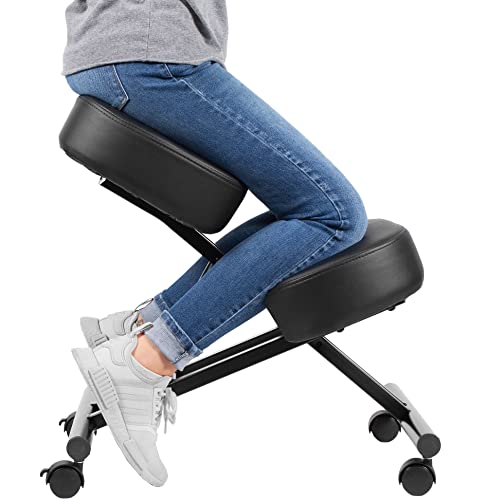 DRAGONN by VIVO Ergonomic Kneeling Chair for Home26.2D x 18.7W x 8H in26.2 x 18.7 x 8 inches18.4 PoundsCheck on Amazon
 Master Massage Ergonomic Kneeling Chair with Back Support28 x 11 x 19 inches26.5 poundsCheck on Amazon
The DRAGONN ergonomic kneeling chair with back support sits differently than a standard backless kneeling chair because the backrest limits how far forward your pelvis tilts, which softens the core-activation effect but takes real pressure off your shins. Here’s what the measurements, weight limits, and adaptation curve actually mean for daily use.
Seat and knee-pad height range, and who it fits
The seat platform on this model typically adjusts through a range of about 19 to 27 inches, with the knee pad height adjusting independently underneath it. That two-point adjustment matters more than a single-height number, because it lets you set the shin angle separately from the seat drop. For most adult body types (roughly 5’0″ to 6’2″), you can find a combination where your hips sit slightly above your knees, which is the position that actually reduces lower back strain instead of just shifting it.
DRAGONN by VIVO Ergonomic Adjustable Kneeling Chair w/Back Support | Black, Stool for Home & Office, Improve Posture with Angled Seat, Thick Comfortable Moulded Foam Cushions, DN-CH-K02B
Chosen because it specifies Back Support and DN-CH-K02B.
View on AmazonDRAGONN by VIVO Ergonomic Kneeling Chair for Home & Office
Chosen because it specifies DN-CH-K01B.
View on AmazonMaster Massage Ergonomic Kneeling Chair with Back Support for Office -Posture Chair with Angled Seat and Backrest for Home and Office-Posture Correction Stool-Improve Your Posture
Picked as a relevant option in this category.
View on Amazon
GIANTEX Ergonomic Kneeling Chair for Office, Knee Stool Chair w/Adjustable Height and Seat Angle to Relieve Pain, Posture Desk Chair w/Lockable Universal Wheels, Thick Padded Cushions, Black
Chosen because it specifies Posture Desk Chair w/Lockable Universal Wheels and Thick Padded Cushions.
View on AmazonIf you’re outside that height range, either at the short or tall end, expect to spend more time fine-tuning, since the geometry between seat and pad doesn’t scale linearly. Taller users especially may find the maximum seat height still leaves the knee pads too close, pushing shins into an uncomfortably steep angle.
Weight limit and frame durability
Listed weight capacity on this chair generally falls in the 250 to 300 lb range, which is on the higher end for kneeling chairs but still lower than most standard office chairs (many rate to 300-350 lb). The frame is typically steel tubing with a powder-coated finish, and the parts most likely to show wear first are the padded upholstery on the seat and knee rests, not the frame itself. Foam compression on the seat cushion is the usual failure point after 2-3 years of daily use, especially if you’re at the upper end of the weight range.
Desk and table heights it actually pairs with
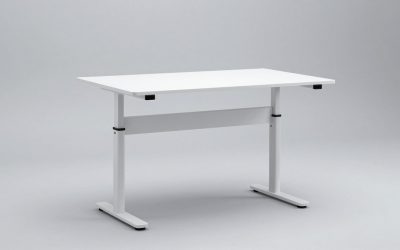
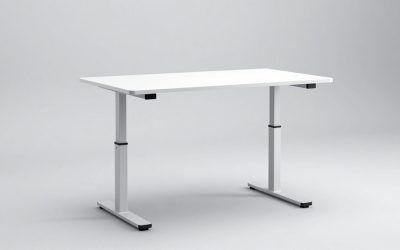
Because kneeling chairs sit you higher than a conventional task chair at the same seat height, desk pairing is where people get tripped up. Here’s how it breaks down against common desk heights:
| Desk/table height | Fit with kneeling chair | Notes |
|---|---|---|
| 28-29 inches (standard desk) | Good with seat set low (19-21 in) | Comfortable elbow angle for typing |
| 30-32 inches (standing desk, lowered) | Good with seat mid-range (22-25 in) | Most versatile pairing for adjustable desks |
| 34+ inches (standing desk, raised) | Workable only near max seat height (26-27 in) | Knee pad angle gets steep; shorter sessions recommended |
| Under 27 inches (low table) | Poor fit | Forces slouching regardless of seat setting |
If you’re using a fixed-height desk rather than a sit-stand desk, measure it before buying. A desk under 28 inches paired with a kneeling chair set at minimum height still often leaves your forearms angled upward at the keyboard, which defeats some of the ergonomic benefit.
Shin pressure and the adaptation period
This is the part product listings don’t tell you: almost everyone feels shin and knee pressure in the first one to two weeks, even with a padded knee rest. The padding on this model is denser foam than the seat cushion, which helps distribute weight but doesn’t eliminate the sensation of load on the shins, especially over sessions longer than 45-60 minutes.
Realistic adaptation timeline:
- Days 1-3: Limit sessions to 20-30 minutes. Shin discomfort is normal and expected.
- Week 1-2: Gradually extend to 45-60 minute sessions. Some soreness in the shins and top of the feet is common.
- Week 3-4: Most users report the pressure fades as they build tolerance and dial in the right seat/pad ratio for their leg length.
- Ongoing: Even adapted users generally alternate with a standard chair through the day rather than kneeling for a full 8-hour shift.
Wearing thin socks or pants rather than shorts also reduces direct skin contact with the pad edge, which is a small but real comfort factor during the adaptation phase.
How the backrest changes things versus a backless kneeling chair
The core trade-off with this ergonomic kneeling chair with back support: adding a backrest changes the mechanics compared to the classic backless kneeling chair design. Backless kneeling chairs work by letting your pelvis tilt forward freely, which naturally straightens the lumbar curve and engages the core to hold posture. That’s the mechanism behind their back-pain benefits, but it also means there’s nothing to lean into during long stretches, which is why many people abandon backless versions after a few weeks.
The backrest here reintroduces a recline option, so you can sit back periodically without dismounting the chair. The trade-off is that when you use the backrest, your pelvis rotates back toward a more neutral (less forward-tilted) position, which reduces the core-engagement effect that’s the main selling point of kneeling chairs in the first place. In practice, this makes the chair more sustainable for full workdays but somewhat less effective as a posture-correction tool than a strict backless model.
For someone with existing lower back pain, that trade-off is usually worth it. A backless kneeling chair used for long hours without support can aggravate certain back conditions, particularly disc issues, because there’s no recline option when fatigue sets in. The back support version gives you an escape valve.
Decision matrix: does this fit your situation
| Your situation | Recommendation |
|---|---|
| Desk job, 6+ hours seated, no back pain | Use as a part-time chair (2-4 hrs/day), alternating with a standard task chair |
| Existing lower back pain, disc issues | Back support version is safer than backless; still consult a physical therapist before extended use |
| Height under 5’0″ or over 6’3″ | Test the actual height range carefully; fit is less reliable at extremes |
| Body weight near or above 280 lb | Check the specific weight rating before buying; margin for long-term comfort is thin |
| Knee or hip joint problems | Kneeling chairs generally not recommended regardless of padding |
| Standing desk user wanting a sit option | Good fit if desk lowers to 30-32 inches |
Room fit and moving considerations
The chair’s footprint is compact, typically around 22-25 inches wide and 25-30 inches deep, so it fits easily in a home office corner even in small apartments. It ships assembled or with minimal assembly (attaching the knee pad and adjusting height pins), and the box weight usually runs 20-30 lbs, light enough to carry through a standard 30-inch doorway without disassembly. Because there are no wheels on most versions, floor protection under the base is worth adding if you’re on hardwood, since the static contact points can dent softer flooring over time.