Key takeaways
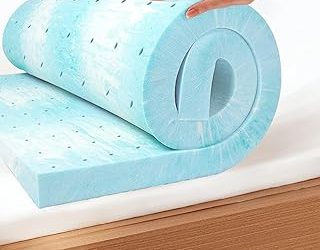
- Thickness and Density: A 3-inch topper with mixed-density layers generally outperforms a uniform 2-inch slab for sleepers who rotate between side and back positions. Denser base layers (3–4 lb/ft³) resist body impression far longer than budget foams.
- Cooling Architecture: Dorm rooms run warm, especially in buildings without individual climate control. Gel infusion helps initially, but ventilated foam channels and moisture-wicking covers sustain airflow over a full sleep cycle rather than just the first thirty minutes.
- Cover Construction and Washability: Students will spill things. A removable, machine-washable cover with a secure zipper is non-negotiable for dorm hygiene; quilted knit covers also add a pillow-top comfort layer without extra bulk.
- Certification and Off-Gassing: CertiPUR-US certification confirms the foam was tested for volatile organic compounds—critical in a small, often poorly ventilated dorm room. Plan to unbox and air the topper 24–48 hours before move-in day.
- Deep Pocket Fit: Most dorm mattresses run 8–12 inches thick with odd corner dimensions. Look for fitted covers with 20-inch deep pockets and strong elastic; a topper that migrates during sleep defeats its ergonomic purpose entirely.
What's inside
Moving into a dorm is exciting until you actually lie down on that issued mattress. Most campus beds ship with a thin, stiff pad that feels like sleeping on a warranty card, and after a few weeks your lower back starts registering formal complaints. The gap between what institutions provide and what your spine needs is real—and it’s the single biggest sleep quality problem college freshmen underestimate.
A well-chosen dorm mattress topper bridges that gap by adding pressure distribution, temperature regulation, and spinal alignment to a mattress you can’t replace. This guide evaluates six top-rated Twin XL toppers through the lens of material durability, ergonomic support, and long-haul resilience—because a topper that collapses by midterms isn’t a solution, it’s an expense.
As an Amazon Associate we earn from qualifying purchases.


How to Choose a Dorm Mattress Topper Best (2026)
- Thickness and Density: A 3-inch topper with mixed-density layers generally outperforms a uniform 2-inch slab for sleepers who rotate between side and back positions. Denser base layers (3–4 lb/ft³) resist body impression far longer than budget foams.
- Cooling Architecture: Dorm rooms run warm, especially in buildings without individual climate control. Gel infusion helps initially, but ventilated foam channels and moisture-wicking covers sustain airflow over a full sleep cycle rather than just the first thirty minutes.
- Cover Construction and Washability: Students will spill things. A removable, machine-washable cover with a secure zipper is non-negotiable for dorm hygiene; quilted knit covers also add a pillow-top comfort layer without extra bulk.
- Certification and Off-Gassing: CertiPUR-US certification confirms the foam was tested for volatile organic compounds—critical in a small, often poorly ventilated dorm room. Plan to unbox and air the topper 24–48 hours before move-in day.
- Deep Pocket Fit: Most dorm mattresses run 8–12 inches thick with odd corner dimensions. Look for fitted covers with 20-inch deep pockets and strong elastic; a topper that migrates during sleep defeats its ergonomic purpose entirely.
The Best Dorm Mattress Topper Best (2026)s Reviewed
ELEMUSE Dual Layer 3 Inch Memory Foam Topper
This two-piece system pairs a 2-inch gel-infused support layer with a 1-inch quilted pillow-top cover, creating genuine zoned ergonomics rather than a single-density slab. The dual-material approach distributes weight more evenly across pressure points and should retain its contouring for two full academic years without visible sagging.
SINWEEK 3 Inch Gel Memory Foam Topper
A ventilated high-density core addresses the dorm overheating problem structurally rather than cosmetically—air channels run through the full thickness instead of surface-level perforations. Back-pain sufferers in particular benefit from the firm-but-yielding density, and the CertiPUR-US certification keeps indoor air quality reasonable in tight quarters.
Linenspa 2 Inch Gel Infused Memory Foam Topper
At two inches, Linenspa’s offering prioritizes simplicity and value while still delivering meaningful pressure relief over a bare dorm mattress. The gel infusion works best for light-to-medium sleepers who don’t generate excessive body heat, and the gel-infused contouring provides reliable spinal alignment without the deeper sink that heavier sleepers may notice in thinner profiles.
ELEMUSE Pillow Top Twin XL Bed Pad
Built as a thick, plush fitted pad rather than a traditional foam topper, this option suits students who want added cushioning without dramatically changing mattress feel. The deep-pocket construction with reinforced elastic holds firm on thicker institutional mattresses, and the pillow-top fill maintains loft across multiple wash cycles—important for semester-to-semester durability.
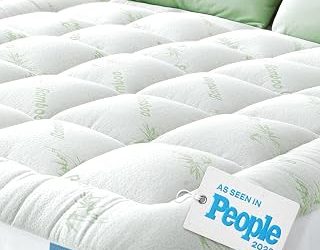
Niagara Sleep Solution Bamboo Rayon Topper
Rather than foam, Niagara uses rayon derived from bamboo for a naturally breathable, moisture-wicking sleeping surface. Hot sleepers and students prone to night sweats find this construction significantly cooler than gel memory foam, and the pillow-top design with a 20-inch deep pocket stays anchored on oversized dorm mattresses through restless nights.
Frequently Asked Questions
How thick should a dorm mattress topper be?
Three inches works best for most college sleepers, offering enough depth to correct the ergonomic shortcomings of a basic institutional mattress without making the bed feel unstable. Two-inch toppers suit lighter individuals or those who prefer a firmer feel, while anything thicker may exceed typical dorm bedding dimensions.
Will a mattress topper fit a dorm bed?
Dorm beds use Twin XL sizing (39 by 80 inches), which most major topper manufacturers now accommodate specifically. Always verify your mattress height and choose a topper cover with deep pockets—at least 16 to 20 inches—to prevent the edges from popping off during the night.
How long does a dorm mattress topper last?
A quality foam topper with adequate density (3 lb/ft³ or higher) should hold its shape for roughly two academic years. Lower-density foams under 2 lb/ft³ often develop permanent body impressions within a single semester, which eliminates their ergonomic benefits entirely.
Can a mattress topper help with dorm bed back pain?
Absolutely. Most campus mattress complaints stem from inadequate pressure distribution, which forces the lumbar spine into misalignment. A supportive memory foam or hybrid topper restores neutral spinal posture by cradling the body’s natural curves rather than pushing back against them uniformly.
Final Thoughts
For most incoming students, the ELEMUSE Dual Layer 3 Inch Topper delivers the strongest combination of ergonomic support and long-term durability at a dorm-friendly price. Hot sleepers should gravitate toward the Niagara Bamboo Rayon Topper for its superior thermoregulation, while budget-conscious buyers who still want genuine comfort will find the Linenspa 2 Inch Gel Topper hard to beat for pure value. Whatever you choose, unpack it early—your back will thank you by finals week.