Key takeaways
- Targeted Pressure Relief: Look for mattresses with zoned lumbar support or progressive-density foam layers that allow the shoulder and hip to sink while keeping the spine neutral. A uniform-firmness surface will compress the shoulder joint excessively for most side sleepers.
- Firmness Calibration: Medium to medium-soft profiles (roughly a 4–6 on the 10-point scale) consistently outperform both firm and ultra-soft options for side-sleeping ergonomics. Too firm and you get pressure points; too soft and you lose pelvic alignment.
- Layered Construction Quality: Hybrid designs combining pocketed coils with memory foam or latex offer the best balance of contouring and structural longevity. Coils resist the permanent body impressions that plague all-foam beds after 2–3 years of nightly use.
- Certification Standards: CertiPUR-US or equivalent third-party certification confirms that foam layers meet emission and durability thresholds—critical for a product you’ll spend a third of your life in direct contact with.
- Thermal Behavior: Gel-infused foams, copper additives, and coil-based airflow channels prevent heat buildup at body-contact zones. Overheating disrupts sleep cycles independent of pressure discomfort, so thermal performance is an ergonomic factor, not just a luxury.
What's inside
Side sleepers put their body through a specific mechanical stress pattern every night: the shoulder and hip act as primary load-bearing points, concentrating pressure into narrow contact zones that most mattresses fail to distribute evenly. Choosing the wrong firmness or construction can compress the brachial plexus in the shoulder, misalign the lumbar curve, and turn what should be restorative sleep into eight hours of cumulative joint strain. The market doesn’t make this easier—hundreds of hybrid and foam mattresses now claim “side sleeper” compatibility without explaining what actually matters from an orthopedic standpoint.
This guide cuts through the noise. Drawing on an ergonomics-focused framework—spinal alignment, pressure mapping, durability of support layers, and thermal regulation under sustained body contact—we’ve evaluated six leading mattresses to identify which ones genuinely serve side sleepers. Below you’ll find a curated shortlist of five, selected for their material composition, zoned support architecture, and long-term structural resilience.
As an Amazon Associate we earn from qualifying purchases.


How to Choose a Type of Mattress for Side Sleepers (2026)
- Targeted Pressure Relief: Look for mattresses with zoned lumbar support or progressive-density foam layers that allow the shoulder and hip to sink while keeping the spine neutral. A uniform-firmness surface will compress the shoulder joint excessively for most side sleepers.
- Firmness Calibration: Medium to medium-soft profiles (roughly a 4–6 on the 10-point scale) consistently outperform both firm and ultra-soft options for side-sleeping ergonomics. Too firm and you get pressure points; too soft and you lose pelvic alignment.
- Layered Construction Quality: Hybrid designs combining pocketed coils with memory foam or latex offer the best balance of contouring and structural longevity. Coils resist the permanent body impressions that plague all-foam beds after 2–3 years of nightly use.
- Certification Standards: CertiPUR-US or equivalent third-party certification confirms that foam layers meet emission and durability thresholds—critical for a product you’ll spend a third of your life in direct contact with.
- Thermal Behavior: Gel-infused foams, copper additives, and coil-based airflow channels prevent heat buildup at body-contact zones. Overheating disrupts sleep cycles independent of pressure discomfort, so thermal performance is an ergonomic factor, not just a luxury.
The Best Type of Mattress for Side Sleepers (2026) Reviewed
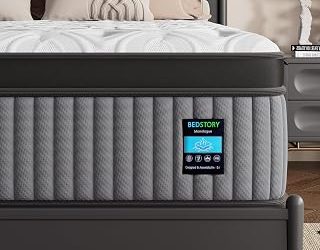
BedStory Firm 13 Inch Queen Hybrid
This mattress distinguishes itself through a genuinely zoned lumbar coil configuration that resists the midsection collapse common in uniformly wound hybrid designs. The hotel-grade build quality suggests long-term durability, and the 13-inch profile provides sufficient layer depth for meaningful pressure gradient engineering without becoming unwieldy to move.
EGOHOME 14 Inch Memory Foam Queen
Copper gel infusion paired with graphene-integrated cover technology creates a dual-pathway cooling system that addresses thermal buildup at the shoulder and hip contact zones. The ICA endorsement adds clinical credibility, and the medium-firm calibration strikes an ergonomically sound balance for side sleepers who also shift to their back periodically.
Medium Firm 14 Inch Hybrid with Zoned Lumbar Support
A solidly engineered option that prioritizes lumbar zone differentiation—something rare at its price point. The fiberglass-free construction and generous 365-night trial reflect genuine confidence in the product’s ability to perform over months, not just initial impressions. Ideal for side sleepers who want straightforward, durable pressure relief without overcomplication.
Sleepmax 14 Inch Enhanced Deep Sleep Hybrid
This model leans into deep sleep optimization with a cooling-oriented material stack that manages moisture and heat transfer effectively across the full contact surface. The CertiPUR-US certification and fiberglass-free foam layers speak to manufacturing rigor, while the hybrid architecture provides the coil-based rebound that prevents the “stuck” sensation all-foam side sleeper mattresses often produce.
Soft Plush 14 Inch Hybrid for Side Sleepers
Specifically tuned for side sleepers with its softer comfort layer profile, this mattress uses pocketed springs beneath gel memory foam to create a contouring surface that doesn’t sacrifice underlying support. The dedicated side-sleeper engineering makes it a strong choice for individuals with broader shoulders or prominent hips who need deeper shoulder sinkage.
Frequently Asked Questions
Is a softer mattress always better for side sleepers?
No. The ideal firmness depends on body weight, shoulder width, and whether you also sleep on your back. Lightweight side sleepers often need softer surfaces, while heavier individuals benefit from medium-firm hybrids that prevent excessive sinkage and maintain spinal neutrality under greater body mass.
How long do hybrid mattresses typically last for side sleepers?
A well-constructed hybrid with pocketed coils and quality foam layers generally maintains its ergonomic profile for 7–10 years. Side sleepers subject contact zones to concentrated stress, so premium coil gauges and dense comfort foams—like those in the BedStory and EGOHOME models—hold up better over time than budget alternatives.
Do I need a mattress specifically labeled for side sleepers?
Not necessarily, but targeted features like zoned lumbar support and medium-soft firmness profiles are genuinely relevant, not just marketing language. Evaluate the construction logic rather than the label—pressure relief capability and alignment engineering matter more than any single product category designation.
What role does mattress height play for side sleepers?
Taller mattresses (12–14 inches) accommodate more layered construction, which enables better pressure gradient engineering. The additional depth allows manufacturers to place distinct foam densities and coil zones at specific heights, creating a more nuanced support profile than thinner mattresses can physically achieve.
Final Thoughts
For side sleepers in 2026, the BedStory Firm 13 Inch stands out for its superior zoned support architecture and long-term build quality, while the EGOHOME 14 Inch offers the most advanced thermal management for those prone to overheating. The Soft Plush 14 Inch Hybrid earns a strong recommendation for sleepers who need maximum shoulder contouring without losing foundational support. Any of these three represents a sound ergonomic investment—match the choice to your body type and thermal preferences.