Key takeaways
- Pressure distribution: Look for enough adaptive comfort to let the shoulder and hip settle gradually, rather than forcing those joints to carry the full load.
- Spinal alignment: Your waist should remain supported while your shoulder and hip contour into the surface. Excessive sinkage is just as problematic as a rigid feel.
- Firmness and movement: Medium to medium-firm designs usually balance cushioning with easier turning. Heavier sleepers may need stronger support cores to prevent hammocking.
- Temperature control: Dense memory foam can retain warmth. Cooling covers, ventilated layers, coils, and breathable comfort materials can improve heat dissipation, although no mattress feels cool to every sleeper.
- Durability and fit: Check the core construction, trial period, certification, and return terms. A mattress should also suit your bed frame, sleeping partner, and preferred pillow height.
What's inside
Finding the best Tempurpedic mattress for side sleepers in 2026 is less about choosing the softest bed and more about controlling pressure without allowing the body to sink out of alignment. Side sleeping concentrates weight at the shoulders and hips, while a mattress that is too yielding can leave the waist unsupported, aggravate morning stiffness, and make repositioning unnecessarily difficult.
This guide evaluates mattresses and a Tempur-Pedic topper from an ergonomics-and-durability perspective. The focus is on shoulder and hip pressure relief, spinal neutrality, temperature management, edge usability, motion control, and the construction details that influence how well each option should perform over time.
As an Amazon Associate we earn from qualifying purchases.


How to Choose a Tempurpedic Mattress For Side Sleepers (2026)
- Pressure distribution: Look for enough adaptive comfort to let the shoulder and hip settle gradually, rather than forcing those joints to carry the full load.
- Spinal alignment: Your waist should remain supported while your shoulder and hip contour into the surface. Excessive sinkage is just as problematic as a rigid feel.
- Firmness and movement: Medium to medium-firm designs usually balance cushioning with easier turning. Heavier sleepers may need stronger support cores to prevent hammocking.
- Temperature control: Dense memory foam can retain warmth. Cooling covers, ventilated layers, coils, and breathable comfort materials can improve heat dissipation, although no mattress feels cool to every sleeper.
- Durability and fit: Check the core construction, trial period, certification, and return terms. A mattress should also suit your bed frame, sleeping partner, and preferred pillow height.
The Best Tempurpedic Mattress For Side Sleepers (2026)s Reviewed
TEMPUR-Adapt 2.0 Medium 11-Inch Mattress
The TEMPUR-Adapt 2.0 Medium is the most direct choice for sleepers who want Tempur-Pedic’s slow, contouring memory-foam feel. Its medium profile should provide useful shoulder and hip cushioning for many side sleepers while limiting partner disturbance, though sleepers who change positions frequently may prefer a more responsive hybrid.
Tempur-Pedic TEMPUR-Adapt + Cooling Topper
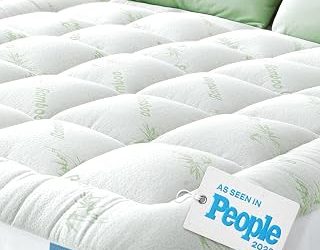
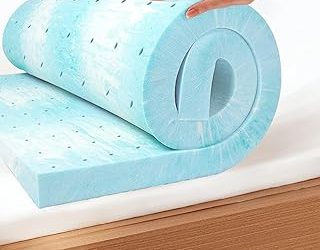
This three-inch topper is a practical way to add pressure relief without replacing an otherwise supportive mattress. The washable cover and cooling-oriented design are appealing for warm sleepers, but a topper cannot correct a sagging or excessively soft mattress beneath it; use it to fine-tune comfort, not to disguise structural wear.
Casper Snow 12-Inch Hybrid Mattress
The Casper Snow combines memory foam with a hybrid support system, making it a strong alternative for side sleepers who want contouring with easier movement and more airflow than an all-foam bed may provide. Zoned support and motion isolation are useful ergonomic features, particularly for couples, while the medium feel should suit sleepers who dislike a deeply enveloping surface.
Sleepmax 14-Inch Enhanced Deep Sleep Hybrid Mattress
The Sleepmax hybrid offers a substantial comfort stack aimed at back and side sleepers, with pressure relief supported by a coil-based foundation. Its CertiPUR-US certification and fiberglass-free construction are notable buying considerations. The combination should appeal to side sleepers seeking cushioning without the more pronounced “stuck” sensation associated with some dense foams.
Sweetnight CoolNest 14-Inch Memory Foam Mattress
The all-foam CoolNest emphasizes cooling, breathability, and five-zone ergonomic support. That zoning may help distribute pressure around the shoulder and hip areas, while the medium feel provides a reasonable starting point for side sleepers. As with any thick memory-foam mattress, verify that your foundation has adequate support and expect a slower response when changing positions.
Frequently Asked Questions
Is a firm or soft mattress better for side sleepers?
Neither label guarantees a good fit. Most side sleepers need enough surface cushioning for the shoulder and hip, paired with a supportive core that keeps the pelvis from dropping too far. Medium or medium-firm models are often the most versatile starting points.
Can a mattress topper make a firm mattress better for side sleeping?
Yes, a quality topper can add contouring and reduce pressure at the shoulder and hip. It works best when the underlying mattress is structurally sound. If the base already sags, adding softer material may worsen alignment rather than improve it.
How thick should a side-sleeper mattress be?
Thickness alone does not determine comfort, but a mattress around 11 to 14 inches often provides room for a cushioning layer, transition layer, and durable support core. Body weight, frame support, and the mattress’s internal materials matter more than height by itself.
What pillow works best with a side-sleeper mattress?
Choose a pillow tall enough to fill the space between your head and the mattress while keeping your neck level with your spine. A softer mattress may require a slightly lower pillow than a firm mattress because the shoulder sinks farther into the surface.
Final Thoughts
For a classic contouring feel, the TEMPUR-Adapt 2.0 Medium is the clearest match, while the TEMPUR-Adapt + Cooling Topper suits shoppers refining an existing bed. Side sleepers who prioritize airflow and easier movement should also consider the Casper Snow Hybrid, with the Sleepmax providing another compelling hybrid alternative.