Key takeaways
- Spinal alignment: Begin with modest head elevation and a slight knee lift; your neck, ribs, pelvis, and knees should remain stacked rather than rotated toward the mattress.
- Elevation range: Choose independent head and foot movement so you can fine-tune pressure relief instead of relying on one fixed “zero gravity” preset.
- Mattress compatibility: Confirm that the mattress is flexible enough for repeated articulation and that its width, thickness, and weight fall within the base manufacturer’s limits.
- Mechanical durability: Look for a stable frame, restrained motor noise, reinforced hinges, reliable remote controls, and a sensible warranty before prioritizing extras such as massage.
- Pressure management: A side sleeper may still need a knee pillow, body wedge, or adjustable support under the waist; elevation alone cannot correct a mattress that is too firm.
What's inside
Side sleepers often adjust an electric bed until the shoulders feel supported, only to discover that the hips twist, the knees drift apart, or the lower back remains under strain. The most comfortable setting is rarely the highest setting: it is the one that preserves a neutral spine while allowing the mattress to support the waist, ribs, and knees evenly.
This guide evaluates adjustable-bed positions and compatible positioning aids from an ergonomics-and-durability perspective. The focus is on controlled elevation, stable body alignment, motor noise, practical controls, long-term construction, and whether each product solves a genuine side-sleeping problem rather than adding unnecessary complexity.
As an Amazon Associate we earn from qualifying purchases.



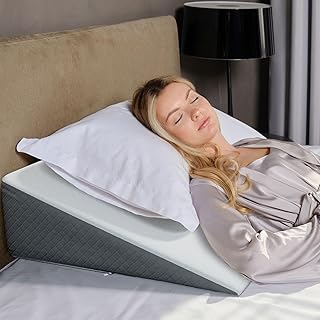
How to Choose a/an Position To Put Adjustable Bed For Side Sleepers (2026)
- Spinal alignment: Begin with modest head elevation and a slight knee lift; your neck, ribs, pelvis, and knees should remain stacked rather than rotated toward the mattress.
- Elevation range: Choose independent head and foot movement so you can fine-tune pressure relief instead of relying on one fixed “zero gravity” preset.
- Mattress compatibility: Confirm that the mattress is flexible enough for repeated articulation and that its width, thickness, and weight fall within the base manufacturer’s limits.
- Mechanical durability: Look for a stable frame, restrained motor noise, reinforced hinges, reliable remote controls, and a sensible warranty before prioritizing extras such as massage.
- Pressure management: A side sleeper may still need a knee pillow, body wedge, or adjustable support under the waist; elevation alone cannot correct a mattress that is too firm.
The Best Position To Put Adjustable Bed For Side Sleepers (2026)s Reviewed
Tami T600 Adjustable Bed Frame Queen Size
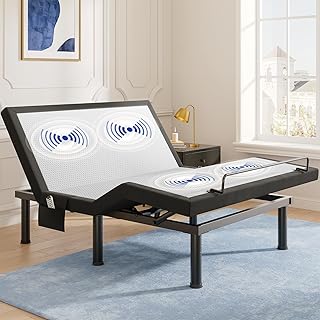
The Tami T600 combines independent electric positioning with useful bedroom details, including USB ports, side pockets, a nightlight, and massage. For side sleeping, raise the head only enough to reduce neck flexion, then add a small foot lift to prevent the pelvis from sliding downward; its quiet motor and remote make incremental changes practical at night.
Celestial Aurora Adjustable Bed Base with 12-Inch Gel Memory Foam Mattress
This Twin XL package pairs a head-and-foot adjustable base with a medium-soft gel memory foam mattress, making it an appealing option for shoppers who want a coordinated sleep system. Its responsive contouring should cushion the shoulder and hip, while the moderate firmness helps prevent a side sleeper from sinking into a rotated posture.
Sven & Son Harmony Adjustable Bed Base
The Sven & Son Harmony is designed for sleepers who want a broad adjustment range, with head and foot lift, massage, under-bed lighting, USB access, memory settings, and zero gravity. Use the memory function for a restrained side-sleep setting rather than the most dramatic incline; repeatable positioning is more valuable than maximum lift.
Fanwer Positioning Wedge Pillow for Side Sleeping
Fanwer’s three-in-one positioning wedge offers a 40-degree triangular support shape for side sleeping, knee elevation, recovery, and pressure management. It is particularly useful beside an adjustable base when the moving mattress leaves a gap at the waist or when a sleeper needs to keep the upper leg from pulling the pelvis forward.
Positioning Wedge Pillow Side Sleeping Belt Connection
This adjustable-width wedge and body-positioning system is aimed at keeping a side sleeper from rolling backward or twisting through the midsection. The belt connection can improve stability for recovery or back-support needs, but fit matters: position it to support the trunk without compressing the ribs or restricting normal movement.
Frequently Asked Questions
What is the best adjustable-bed position for side sleepers?
Start nearly flat, raise the head approximately 10 to 20 degrees, and lift the knees slightly. The correct angle is the lowest setting that eases reflux, snoring, or shoulder pressure without bending the neck or rounding the lower back.
Should side sleepers use the zero-gravity setting?
They can, but the preset may elevate the legs or head more than necessary. Treat zero gravity as a starting point, then reduce either end until your spine feels straight and your hips remain centered on the mattress.
Where should a wedge pillow go on an adjustable bed?
Place a body wedge along the torso, between the knees, or beneath the upper leg according to the problem being addressed. Avoid stacking a tall wedge under the head when the base is already elevated, since the combined angle can force the chin toward the chest.
Is a firm or soft mattress better for side sleeping?
Most side sleepers need enough softness for the shoulder and hip to sink slightly, but sufficient support to stop the pelvis from dropping. Medium to medium-soft construction is often a useful starting point; body weight, shoulder width, and personal preference still determine the final choice.
Final Thoughts
For a complete adjustable setup, the Tami T600 is a practical feature-rich choice, while the Celestial Aurora package offers a mattress-and-base solution with side-sleeper-friendly cushioning. For targeted alignment help, the Fanwer positioning wedge is the most versatile accessory; whichever option you choose, favor small, repeatable adjustments over extreme elevation.