Key takeaways
- Material: Look for clearly disclosed fibers and foams. Organic latex, wool, and cotton are useful options, while bamboo-derived rayon should be judged as a processed textile rather than assumed to be inherently chemical-free.
- Ergonomic effect: Side sleepers usually benefit from pressure-relieving cushioning at the shoulders and hips; stomach sleepers generally need a thinner, firmer layer to limit excessive midsection sinking.
- Heat management: Wool, latex with ventilated construction, and breathable cotton can be more comfortable than dense synthetic foam. A quilted cover may improve airflow, but no topper can compensate for an overheated room or impermeable mattress protector.
- Fit and stability: Measure mattress height before buying. Deep-pocket skirts, elastic anchors, or a nonslip underside help prevent bunching, which can create uncomfortable ridges and accelerate wear.
- Verification and care: Certifications such as GOLS can provide meaningful material and processing information. Also check whether the topper is washable, spot-clean only, or likely to require professional care.
What's inside
A mattress topper can solve the wrong problem if you choose by softness alone. A plush layer may disguise pressure points for a few nights, yet trap heat, flatten quickly, or shift beneath the sheets. Materials also matter: “natural” and “non-toxic” are not universal regulatory terms, so shoppers need to examine fiber content, certifications, construction, and care requirements rather than rely on packaging language.
This guide evaluates the best non-toxic mattress toppers for 2026 through an ergonomics-and-durability lens. The focus is practical: pressure distribution, spinal support, temperature control, pocket depth, edge stability, resilience, and the likelihood that each topper will remain useful after repeated sleeping and washing.
As an Amazon Associate we earn from qualifying purchases.


How to Choose a/an Non Toxic Mattress Topper (2026)
- Material: Look for clearly disclosed fibers and foams. Organic latex, wool, and cotton are useful options, while bamboo-derived rayon should be judged as a processed textile rather than assumed to be inherently chemical-free.
- Ergonomic effect: Side sleepers usually benefit from pressure-relieving cushioning at the shoulders and hips; stomach sleepers generally need a thinner, firmer layer to limit excessive midsection sinking.
- Heat management: Wool, latex with ventilated construction, and breathable cotton can be more comfortable than dense synthetic foam. A quilted cover may improve airflow, but no topper can compensate for an overheated room or impermeable mattress protector.
- Fit and stability: Measure mattress height before buying. Deep-pocket skirts, elastic anchors, or a nonslip underside help prevent bunching, which can create uncomfortable ridges and accelerate wear.
- Verification and care: Certifications such as GOLS can provide meaningful material and processing information. Also check whether the topper is washable, spot-clean only, or likely to require professional care.
The Best Non Toxic Mattress Topper (2026)s Reviewed
Pure Green Natural Latex Mattress Topper
The Pure Green 2-inch soft latex topper is the strongest choice here for responsive pressure relief and long-term resilience. Its GOLS-certified organic latex construction provides cushioning without the slow, sinking feel of conventional memory foam, making it especially suitable for side sleepers and combination sleepers who change position frequently. Latex is naturally elastic and ventilated, though buyers should expect a firmer, springier sensation than a fiber-filled pillow top.
Organic Merino Wool Mattress Topper
This handmade 1650 GSM Merino wool topper is designed for temperature regulation rather than dramatic firmness correction. Wool can cushion minor pressure points, absorb moisture, and feel comfortable across changing seasons, while its loft tends to settle gradually instead of developing the sharp body impressions common in low-density fills. It is a thoughtful option for hot sleepers and allergy-conscious households, but it will not provide the same structural support as latex and may need careful maintenance.
BEDLORE Viscose Bamboo Mattress Topper
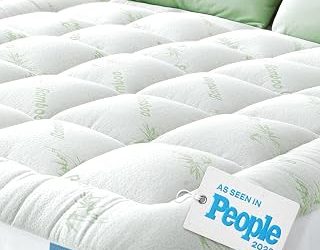
The BEDLORE topper emphasizes a thick pillow-top feel, breathable surface, and stretchable pockets designed for mattresses from 6 to 18 inches high. Its generous fit is useful for taller beds and adjustable bedding setups, while the soft construction can smooth out a slightly firm mattress. Because viscose bamboo is a rayon-based processed fiber, buyers seeking the most transparent material profile should compare its labeling and certifications with those of latex, wool, or cotton alternatives.
Niagara Sleep Solution Bamboo-Derived Rayon Topper
Niagara Sleep Solution’s Full-size topper combines a soft pillow top with a 20-inch deep pocket, making it a practical match for substantial mattresses and layered sleep systems. The rayon-derived bamboo cover is aimed at a cool, smooth hand feel, and the added loft may relieve pressure on a firm surface. It is best viewed as a comfort upgrade rather than a corrective support layer; sleepers who need stronger hip control may prefer latex.
Extra-Thick Cotton Pillow Top Mattress Pad
This 100% cotton topper offers a familiar, breathable feel and a straightforward fiber composition. Its extra-thick pillow-top design can soften a firm bed without adding the dense contouring associated with foam, making it a sensible choice for guest rooms or sleepers who prefer easy movement. Cotton can compress sooner than latex and may require regular fluffing, so durability depends heavily on quilting quality and laundering habits.
Frequently Asked Questions
What is the least toxic mattress topper material?
There is no single universally best material, but certified organic latex, wool, and cotton offer relatively clear fiber profiles. Review the full product disclosure and certification details rather than treating terms such as “natural,” “green,” or “bamboo” as proof of a chemical-free product.
Which topper is best for back pain?
The right choice depends on the mattress beneath it and your sleeping position. A responsive 2-inch latex layer can improve pressure distribution while preserving easier movement, whereas a very thick, soft topper may allow the pelvis to sink and aggravate poor spinal alignment.
Do mattress toppers make you sleep hotter?
They can, particularly when made from dense, slow-response foam or covered by non-breathable fabric. Wool, ventilated latex, and cotton generally encourage better moisture and heat management, although room temperature, bedding, and mattress protectors remain important factors.
How often should a mattress topper be replaced?
Replacement timing depends on material, body weight, use, and visible wear. Replace a topper when it develops permanent compression, uneven support, odors that do not dissipate, torn seams, or movement that creates ridges beneath the body.
Final Thoughts
For the best balance of ergonomic support and durability, the Pure Green Natural Latex Topper is the leading pick. The Organic Merino Wool topper is appealing for temperature regulation and a clear natural-fiber approach, while the BEDLORE Viscose Bamboo topper suits shoppers prioritizing plush comfort and generous mattress compatibility.