Key takeaways
- Shelf load and material: Look for coated or chrome-plated steel wire with welded crossbars, not thin snap-in plastic. A single shelf holding a 24-pack carries roughly 20 pounds; flex under that weight is the earliest sign a cabinet will disappoint you.
- Door hardware and seal: A reversible hinge with a metal pin outlasts a molded plastic pivot, and a magnetic gasket that compresses evenly matters more than glass thickness. Cheap seals lose tension first, which is why a two-year-old fridge suddenly runs constantly.
- Reach geometry: Measure the depth from the door opening to the rear wall and the vertical gap between shelves. Tall cans need about 7 inches of clearance; deep cabinets with tight shelf spacing force awkward wrist rotation every time you grab a bottle.
- Vibration and placement: Compressor models rated under 42 dB with rubber-isolated mounts belong in bedrooms and offices. Check whether the unit is freestanding-only or built-in rated, since front-venting designs are the only ones safe under a counter.
- Temperature range and control: A digital range spanning roughly 34 to 64°F lets you serve lagers cold and keep ales or wine higher. Digital setpoints hold tighter than analog dials, which drift as the thermostat ages.
What's inside
Most beer fridges get bought on can count and forgotten about until the third summer, when the gasket has gone slack, the door needs a hip-check to seal, and the shelves sag under a case of 16-ounce tallboys. Capacity is the easiest spec to compare and the least useful one to obsess over. What actually separates a unit you still like in 2030 from one you drag to the curb is the stuff nobody photographs: hinge quality, shelf load rating, compressor isolation, and whether the interior is laid out so you can reach the back row without kneeling on a hardwood floor.
This guide looks at compact beverage refrigerators through an ergonomics-and-durability lens. I’ve weighted door hardware and gasket design, shelf construction and adjustability, vibration and noise under real load, and how each cabinet handles the daily reach-grab-close cycle that racks up thousands of repetitions a year. Below are the models worth your money, plus the specs I’d check before clicking buy.
As an Amazon Associate we earn from qualifying purchases.



How to Choose a Mini Fridge For Beer (2026)
- Shelf load and material: Look for coated or chrome-plated steel wire with welded crossbars, not thin snap-in plastic. A single shelf holding a 24-pack carries roughly 20 pounds; flex under that weight is the earliest sign a cabinet will disappoint you.
- Door hardware and seal: A reversible hinge with a metal pin outlasts a molded plastic pivot, and a magnetic gasket that compresses evenly matters more than glass thickness. Cheap seals lose tension first, which is why a two-year-old fridge suddenly runs constantly.
- Reach geometry: Measure the depth from the door opening to the rear wall and the vertical gap between shelves. Tall cans need about 7 inches of clearance; deep cabinets with tight shelf spacing force awkward wrist rotation every time you grab a bottle.
- Vibration and placement: Compressor models rated under 42 dB with rubber-isolated mounts belong in bedrooms and offices. Check whether the unit is freestanding-only or built-in rated, since front-venting designs are the only ones safe under a counter.
- Temperature range and control: A digital range spanning roughly 34 to 64°F lets you serve lagers cold and keep ales or wine higher. Digital setpoints hold tighter than analog dials, which drift as the thermostat ages.
The Best Mini Fridge For Beer (2026)s Reviewed
Electactic 130 Can Beverage Refrigerator
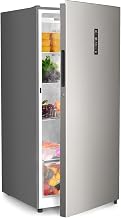
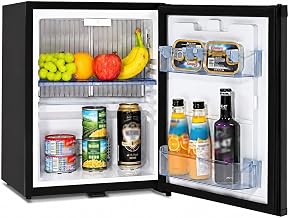
The 3.2 cubic foot cabinet gives you genuinely usable shelf spacing rather than crammed tiers, and the digital control holds its setpoint without the hunting you get from mechanical dials. Its door frame feels substantial in the hand, which is the practical tell that the gasket will keep sealing after a few thousand open-close cycles.
hOmeLabs Beverage Refrigerator
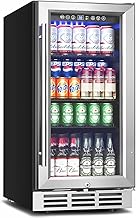
hOmeLabs built this one around serviceability: the shelves lift out cleanly for washing, the spacing adjusts in real increments, and the glass door seats squarely without the slight twist that plagues thin-framed competitors. It’s the safe long-term pick if you want a unit that stays quiet and square in a shared space like an office or basement bar.
EUHOMY 130 Can Beverage Cooler
EUHOMY’s black finish hides fingerprints far better than brushed silver, a small ergonomic win on a door you touch daily, and the removable shelving handles mixed bottle-and-can loads without visible deflection. Digital temperature control plus a tight compressor mount makes it comfortable in a living room.
130 Can Silver Beverage Refrigerator
The 34 to 64°F span is the widest here, so this cabinet does double duty for lagers and cellar-temp bottles, and the LED interior means you’re not groping the back row in a dim room. Adjustable shelves let you build a tall-can tier without wasting a full shelf of headroom.
Feelfunn 15 Inch Under Counter Beverage Fridge
This is the one to buy if you’re installing rather than placing: front-venting, built-in rated, and under 42 dB, so it disappears into a kitchen run without cooking itself in a sealed cavity. The 15-inch footprint fits standard cabinet gaps, and the counter-height opening removes the deep bend that floor-standing units demand.
Frequently Asked Questions
How cold should a beer fridge be?
Set most lagers and pilsners between 34 and 40°F, and ales, stouts, and craft bottles between 45 and 55°F. Any unit reaching into the mid-30s covers both if you use the upper shelves for warmer-serve styles.
Can I build a freestanding beverage fridge into cabinetry?
No. Freestanding units vent from the rear or sides and will overheat in an enclosure, shortening compressor life dramatically. Only front-venting, built-in rated models like the 15-inch Feelfunn belong under a counter.
Will a glass door make it work harder?
Slightly, since glass conducts more heat than an insulated panel. Double-pane doors and placement away from direct sun offset most of the difference, and the visibility saves you from standing there with the door open.
How long should one of these last?
Expect five to eight years with basic care: vacuum the rear condenser twice a year, keep two inches of clearance, and level the feet so the door closes under its own weight rather than needing a shove.
Final Thoughts
For most rooms, the Electactic 130 Can is the balanced choice, with solid door hardware and shelf spacing that respects how you actually reach for a can. The hOmeLabs earns its place if serviceability and quiet operation top your list, and the 15-inch Feelfunn is the only one here I’d install under a counter, thanks to its front-venting, built-in rating.