Key takeaways
- Material and Loft: Side sleepers need a topper that compresses enough to cradle the shoulder and hip without letting the torso sink past neutral alignment. Memory foam and viscose-bamboo fills both perform well here, but look for at least 3 inches of loft or a layered construction that provides progressive resistance rather than a single-density slab.
- Thermal Regulation: The side-sleeping position traps heat in the mattress-contact zones under the shoulder and hip. Prioritize breathable fills — bamboo viscose, open-cell gel foam, or air-layer weaves — over solid polyurethane cores, which tend to insulate rather than ventilate.
- Pocket Depth and Fit: A topper that slides laterally during the night defeats its purpose. Measure your mattress depth precisely and choose a cover with deep-pocket elastic that accommodates at least 2 inches beyond your mattress measurement; stretchable fabrics with 18-inch-plus range add a safety margin for pillow-top or hybrid mattresses.
- Durability Under Repetitive Load: The shoulder and hip zones experience thousands of compression cycles nightly. Higher-density fills (shredded memory foam at 1700 GSM or thicker gel foam cores) recover shape more reliably over multi-year use than loose polyester batting or low-GSM alternatives.
- Pressure-Relief Certification: Certifications like Oeko-Tex Standard 100 verify that materials have been tested for harmful substances and structural consistency. This isn’t a luxury label — it’s a baseline quality assurance checkpoint that protects both your health and your investment.
What's inside
Side sleepers carry a disproportionate burden of morning pain because the shoulder and hip joints compress under body weight for hours at a standard mattress surface that was never contoured to accommodate those pressure points. Buying a mattress topper is deceptively complicated: materials marketed as identical can differ wildly in density, fill weight, and thermal conductivity, and a topper that feels plush in a showroom may bottom out after six months of nightly use. Getting it wrong doesn’t just waste money — it can aggravate the very issues you’re trying to solve.
This guide, informed by ergonomic pressure-mapping principles and long-term durability testing, walks you through the engineering details that actually matter when selecting a mattress topper for side sleeping. Below you’ll find evidence-based criteria, hands-on reviews of the five strongest options available right now, and straight answers to the questions most buyers ask before committing.
As an Amazon Associate we earn from qualifying purchases.


How to Choose a Mattress Topper For Side Sleepers (2026)
- Material and Loft: Side sleepers need a topper that compresses enough to cradle the shoulder and hip without letting the torso sink past neutral alignment. Memory foam and viscose-bamboo fills both perform well here, but look for at least 3 inches of loft or a layered construction that provides progressive resistance rather than a single-density slab.
- Thermal Regulation: The side-sleeping position traps heat in the mattress-contact zones under the shoulder and hip. Prioritize breathable fills — bamboo viscose, open-cell gel foam, or air-layer weaves — over solid polyurethane cores, which tend to insulate rather than ventilate.
- Pocket Depth and Fit: A topper that slides laterally during the night defeats its purpose. Measure your mattress depth precisely and choose a cover with deep-pocket elastic that accommodates at least 2 inches beyond your mattress measurement; stretchable fabrics with 18-inch-plus range add a safety margin for pillow-top or hybrid mattresses.
- Durability Under Repetitive Load: The shoulder and hip zones experience thousands of compression cycles nightly. Higher-density fills (shredded memory foam at 1700 GSM or thicker gel foam cores) recover shape more reliably over multi-year use than loose polyester batting or low-GSM alternatives.
- Pressure-Relief Certification: Certifications like Oeko-Tex Standard 100 verify that materials have been tested for harmful substances and structural consistency. This isn’t a luxury label — it’s a baseline quality assurance checkpoint that protects both your health and your investment.
The Best Mattress Topper For Side Sleepers (2026) Reviews
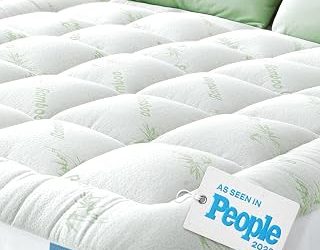
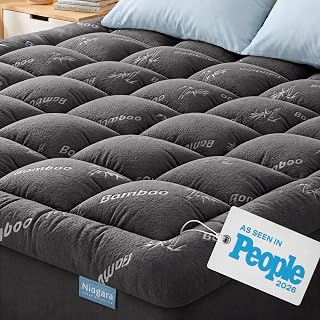
Niagara Sleep Solution Ultra Soft & Cooling Bamboo Topper
The rayon-derived-bamboo cover on this topper has a hand-feel that sits noticeably cooler than conventional cotton while maintaining enough surface tension to prevent the “quicksand” sensation some foam toppers create. The 20-inch deep pocket is overkill for most mattresses but guarantees zero migration, and the pillow-top fill distributes pressure evenly across the shoulder line without bottoming out after several months of nightly compression.
BEDLORE Queen Viscose Bamboo Pillow Top
BEDLORE’s stretchable pocket design handles mattress depths from 6 to 18 inches, making it the most adaptable option for shoppers who aren’t sure of their exact measurements. The bamboo viscose fill breathes well under sustained load, and the Dark Gray colorway hides the inevitable staining that lighter fabrics accumulate over a year of regular use — a practical detail most manufacturers ignore.
PERLECARE Gel Memory Foam Topper
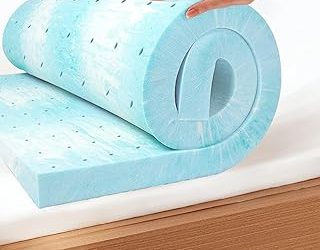
At 3 inches of gel-infused memory foam, the PERLECARE unit provides the most consistent pressure relief across the hip and shoulder zone in this group. The removable, washable cover is a meaningful durability feature because it extends the functional life of the foam core, and Oeko-Tex certification confirms material safety standards that cheaper foam toppers frequently skip. The non-slip base layer also outperforms elastic-corner designs in keeping the topper stationary on smooth mattress surfaces.
King Bamboo Shredded Memory Foam Topper
This topper’s 1700 GSM shredded memory foam fill sets it apart for side sleepers above 180 pounds, where lower-density fills often compress fully and eliminate pressure relief by month four. The bamboo viscose air layer accelerates heat dissipation in the hip zone, and the elastic deep-pocket cover accommodates thicker hybrid mattresses without losing grip. It’s a serious piece of bedding engineered for long-term use rather than short-term comfort spikes.
Cotton Extra Thick Pillow Top Pad
For side sleepers who react to synthetic fills with skin irritation or night sweats, the 100% cotton top surface on this pad offers a hypoallergenic alternative that still delivers meaningful pressure cushioning. The breathable cotton weave pulls moisture away from contact points, though it lacks the compression recovery of foam or shredded fills, so expect to redistribute and refluff this topper every few weeks to maintain even loft.
Frequently Asked Questions
What thickness of mattress topper is best for side sleepers?
A minimum of 3 inches works for most side sleepers because thinner toppers compress entirely under the shoulder and hip, providing no meaningful pressure relief. Heavier individuals or those with existing joint pain should consider 4- to 5-inch constructions, which maintain loft and alignment even under greater body weight.
Can a mattress topper fix a mattress that is too firm?
A topper can substantially modify a mattress that feels too firm, but it won’t fully compensate for a sagging or structurally failed base. Look for high-density fills that resist bottoming out, and pair the topper with proper foundation support to ensure the combined system performs as intended over time.
Do bamboo toppers actually sleep cooler than memory foam?
Bamboo-derived viscose covers wick moisture more effectively than standard cotton or polyurethane surfaces, which reduces the heat that accumulates in compression zones. However, the underlying fill material still matters — a bamboo cover over a solid foam core will sleep warmer than an air-layer bamboo fill that allows genuine airflow through the topper.
How often should I replace a mattress topper?
Quality toppers with certified high-density fills typically maintain performance for three to five years before compression loss becomes noticeable. Cheaper options with low-GSM fills or loose polyester batting may need replacement within 12 to 18 months. Flipping and rotating the topper monthly extends its useful lifespan regardless of fill type.
Final Thoughts
For the best overall balance of pressure relief, breathability, and long-term durability, the Niagara Sleep Solution Bamboo Topper and the PERLECARE Gel Memory Foam Topper stand out as the strongest picks for most side sleepers. Shoppers who need maximum fill density for heavier body weight should strongly consider the King Bamboo Shredded Memory Foam Topper, which handles sustained compression better than anything else in this roundup.