Key takeaways
- Support and pressure relief: Look for enough cushioning to reduce load on the shoulders, hips, knees, and lower back without allowing the body to sink so deeply that changing position becomes difficult. Memory foam can contour closely, while quilted fiber toppers provide a more buoyant feel.
- Firmness and mobility: Side sleepers often benefit from a softer, thicker topper, whereas back and stomach sleepers generally need a more stable surface. Seniors who move frequently at night may prefer responsive padding over slow-moving foam.
- Temperature control: Breathable covers, ventilated foam, and cooling gel can reduce heat buildup. Fiber-filled toppers may feel airier, but no topper can compensate for heavy bedding, poor bedroom ventilation, or an already-hot mattress.
- Fit and security: Deep-pocket skirts and stretchable elastic help prevent bunching, especially on thick mattresses or adjustable beds. Measure the mattress height, including any existing pad, before buying.
- Durability and care: CertiPUR-US-certified foam is screened for certain emissions and chemical content, but certification is not a guarantee against sagging. Removable, washable covers and reinforced elastic are valuable for long-term hygiene and convenience.
What's inside
For older sleepers, a mattress that once felt comfortable can gradually become a source of pressure, stiffness, and restless nights. A topper can soften a firm surface, improve cushioning around the hips and shoulders, or add support without the expense and disruption of replacing the entire mattress. The challenge is choosing the right construction: plush fiber fills feel inviting, while memory foam usually offers more precise pressure distribution and motion isolation.
This guide evaluates mattress toppers from an ergonomics-and-durability perspective. We focus on pressure relief, ease of movement, temperature management, edge stability, pocket depth, material certification, and the practical needs of seniors—including joint sensitivity and the effort required to get in and out of bed.
As an Amazon Associate we earn from qualifying purchases.



How to Choose a Mattress Topper For Seniors (2026)
- Support and pressure relief: Look for enough cushioning to reduce load on the shoulders, hips, knees, and lower back without allowing the body to sink so deeply that changing position becomes difficult. Memory foam can contour closely, while quilted fiber toppers provide a more buoyant feel.
- Firmness and mobility: Side sleepers often benefit from a softer, thicker topper, whereas back and stomach sleepers generally need a more stable surface. Seniors who move frequently at night may prefer responsive padding over slow-moving foam.
- Temperature control: Breathable covers, ventilated foam, and cooling gel can reduce heat buildup. Fiber-filled toppers may feel airier, but no topper can compensate for heavy bedding, poor bedroom ventilation, or an already-hot mattress.
- Fit and security: Deep-pocket skirts and stretchable elastic help prevent bunching, especially on thick mattresses or adjustable beds. Measure the mattress height, including any existing pad, before buying.
- Durability and care: CertiPUR-US-certified foam is screened for certain emissions and chemical content, but certification is not a guarantee against sagging. Removable, washable covers and reinforced elastic are valuable for long-term hygiene and convenience.
The Best Mattress Topper For Seniors (2026)s Reviewed
Niagara Sleep Solution Ultra Soft & Cooling
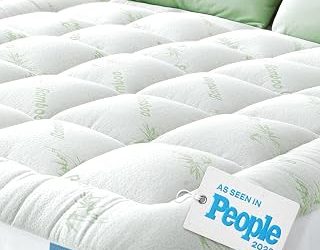
The Niagara Sleep Solution topper uses a rayon-derived-from-bamboo surface and a pillow-top design to create a soft, low-effort sleeping surface for pressure-sensitive joints. Its 20-inch deep pocket should accommodate many tall mattresses, while the breathable fabric may suit hot sleepers; however, its plush construction is better for comfort enhancement than for correcting a mattress that has lost meaningful support.
EGO 3-Inch Gel Memory Foam
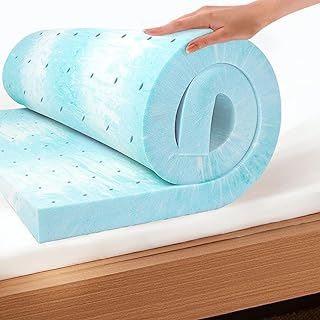
The EGO gel memory foam topper is a strong choice for seniors who want targeted cushioning at the shoulders and hips, particularly side sleepers dealing with pressure points. Its ventilated, gel-infused foam is designed to moderate heat, and the 3-inch profile offers substantial contouring; users with limited mobility should confirm that the added sink does not make repositioning or standing up harder.
BEDLORE Viscose Bamboo Pillow Top
BEDLORE combines a thick pillow-top feel with a stretchable pocket intended for mattresses from 6 to 18 inches deep. It is an appealing option for sleepers who want softness and breathability without the close, enveloping sensation of foam, although a fiber-filled topper may compress sooner under concentrated body weight than a quality foam model.
ELEMUSE Extra-Thick Pillowtop
The ELEMUSE topper uses overfilled down-alternative material and a plush pillow-top cover to soften a firm bed with a cushioned, traditional feel. Its elastic deep pocket helps keep the pad aligned during nighttime movement, making it practical for restless sleepers; expect comfort-focused padding rather than the structured spinal contouring associated with memory foam.
SINWEEK 2-Inch Gel Memory Foam
SINWEEK’s 2-inch ventilated gel memory foam offers a comparatively moderate change in mattress feel, making it useful for seniors who need pressure relief but do not want a very tall, deeply sinking layer. Its slimmer profile can preserve easier bed entry and exit, while the CertiPUR-US certification adds useful material transparency; it may be less effective on a severely worn or excessively firm mattress.
Frequently Asked Questions
Is memory foam or a pillow-top topper better for seniors?
Neither material is universally best. Memory foam usually delivers more consistent pressure redistribution and motion isolation, while pillow-top designs feel easier to move across and often provide better surface breathability. Choose based on sleeping position, mobility, and whether the mattress needs contouring or simply more softness.
How thick should a mattress topper be?
Two inches is a sensible starting point when you want a modest comfort adjustment and easier movement. Three inches or more can provide deeper pressure relief for side sleepers, but excessive thickness may increase sink and make getting out of bed more demanding.
Can a mattress topper help with back pain?
It may reduce discomfort caused by pressure or an overly firm surface, but it cannot repair a sagging mattress or treat an underlying medical condition. If the mattress lacks level support, a topper may temporarily mask the problem rather than solve it.
How can seniors prevent a topper from shifting?
Use a topper with a fitted, elasticized skirt that matches the mattress depth, and place it beneath a snugly fitted sheet. Check alignment during routine sheet changes. On an adjustable bed, verify that the topper flexes safely and does not interfere with movement.
Final Thoughts
The EGO 3-Inch Gel Memory Foam topper is the most targeted choice for pressure relief, while the SINWEEK 2-Inch model suits seniors who want cushioning with less height and sink. For a softer, breathable pillow-top feel, the BEDLORE is a practical alternative; whichever style you choose, prioritize a secure fit and enough surface stability for confident movement.