Key takeaways
- Foam Density and Recovery Rate: A memory foam topper must rebound quickly enough to support your spine when you shift positions at night. Low-density foam (under 3.5 lb/ft³) may feel plush initially but compresses permanently within months, creating sag zones that pull the lumbar region out of neutral alignment.
- Layered Construction Over Monolithic Slabs: Toppers that combine a conforming memory foam core with a breathable upper layer — such as a bamboo viscose air layer or gel-infused surface — distribute force more evenly than a single homogeneous material, reducing shear stress on the SI joint and lower thoracic spine.
- Thickness Matched to Body Weight and Existing Mattress Condition: A 3-inch topper works well for side sleepers under 180 lbs on a still-supportive mattress. Heavier individuals or those sleeping on a degraded mattress benefit from 4–5 inches of total depth to prevent bottoming out against the firm base layer underneath.
- Deep-Pocket Fit and Anti-Slide Design: A topper that migrates during the night defeats its therapeutic purpose entirely. Look for stretchable pockets or fitted skirts rated for at least 18 inches of mattress depth to maintain consistent spinal positioning throughout the sleep cycle.
- Thermal Conductivity and Breathability: Dense memory foam traps body heat, which softens the material unevenly and compromises the support profile by morning. Bamboo-derived rayon cover fabrics and open-cell gel foam cores accelerate heat dissipation, keeping the foam’s mechanical properties stable across the night.
What's inside
Shopping for a mattress topper that actually addresses back pain can feel like navigating a maze of contradictory claims. Every product promises lumbar relief and pressure-point support, yet buyers routinely end up with a topper that either collapses under their weight or creates a hammock effect that worsens spinal misalignment. The gap between marketing copy and real orthopedic performance is wide, and filling it requires looking beyond adjectives at material composition, foam density, and how different construction layers interact with the human musculoskeletal system.
As someone who evaluates sleep surfaces through the lens of ergonomic load distribution and long-term durability testing, I’ve narrowed the 2026 field down to toppers that balance therapeutic contouring with structural integrity over hundreds of compression cycles. This guide walks you through exactly what to prioritize when aching mornings are the problem, and then breaks down six standout products ranked on support responsiveness, thermal regulation, and material longevity — not just comfort on night one.
As an Amazon Associate we earn from qualifying purchases.


How to Choose a Mattress Topper For Back Pain (2026)
- Foam Density and Recovery Rate: A memory foam topper must rebound quickly enough to support your spine when you shift positions at night. Low-density foam (under 3.5 lb/ft³) may feel plush initially but compresses permanently within months, creating sag zones that pull the lumbar region out of neutral alignment.
- Layered Construction Over Monolithic Slabs: Toppers that combine a conforming memory foam core with a breathable upper layer — such as a bamboo viscose air layer or gel-infused surface — distribute force more evenly than a single homogeneous material, reducing shear stress on the SI joint and lower thoracic spine.
- Thickness Matched to Body Weight and Existing Mattress Condition: A 3-inch topper works well for side sleepers under 180 lbs on a still-supportive mattress. Heavier individuals or those sleeping on a degraded mattress benefit from 4–5 inches of total depth to prevent bottoming out against the firm base layer underneath.
- Deep-Pocket Fit and Anti-Slide Design: A topper that migrates during the night defeats its therapeutic purpose entirely. Look for stretchable pockets or fitted skirts rated for at least 18 inches of mattress depth to maintain consistent spinal positioning throughout the sleep cycle.
- Thermal Conductivity and Breathability: Dense memory foam traps body heat, which softens the material unevenly and compromises the support profile by morning. Bamboo-derived rayon cover fabrics and open-cell gel foam cores accelerate heat dissipation, keeping the foam’s mechanical properties stable across the night.
The Best Mattress Topper For Back Pain (2026)s Reviewed
Niagara Sleep Solution Ultra Soft Cooling Topper (Queen)
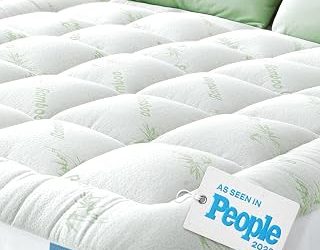
This queen-sized topper pairs a rayon-from-bamboo pillow top with a 20-inch deep pocket design, making it an excellent pick for hot sleepers who also need consistent pressure relief along the lumbar curve. The bamboo-derived cover actively wicks moisture, which helps maintain the foam’s responsive contouring rather than letting heat create soft spots that compromise spinal alignment over time.
WhatsBedding 4 Inch Gel Memory Foam Topper (King)
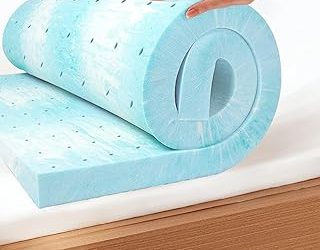
At four inches, this king topper provides the depth necessary for heavier body types to receive genuine orthopedic support without bottoming out. The gel-infused memory foam core resists the premature sagging that plagues cheaper alternatives, and the breathable pillow-top layer on the surface reduces the heat buildup that typically accelerates foam degradation.
3 Inch Gel Memory Foam Topper with Bamboo Air Layer (Queen)
With a substantial 1700 GSM fill and a bamboo viscose air layer, this topper strikes a strong balance between plush surface comfort and the underlying firmness that back-pain sufferers actually need. The higher fill weight indicates denser fiber content, which translates to more consistent support under repeated compression across the shoulders and hips — two zones that bear the most load in side and back sleeping positions.
BEDLORE Viscose Bamboo Pillow Top (Queen)
The BEDLORE topper’s stretchable pocket system accommodates mattresses ranging from 6 to 18 inches, which matters because an improperly fitted topper shifts spinal support zones unpredictably. Its viscose bamboo construction delivers solid breathability while the thick pillow-top layer provides the cushioning needed to relieve pressure on the thoracic spine without creating the overly soft “sinking” sensation that aggravates lower back pain.
WhatsBedding 5 Inch Gel Memory Foam Topper (Full)
The thickest option in this roundup at five inches, this full-size topper is engineered for sleepers whose existing mattress has lost its structural support entirely. The bamboo viscose air layer paired with the generous foam depth creates a true secondary sleep surface, restoring neutral spinal posture even when the base mattress can no longer contribute meaningfully to orthopedic alignment.
Frequently Asked Questions
Will a mattress topper fix chronic back pain on its own?
A quality topper can significantly reduce mechanical contributors to back pain — particularly pressure-point compression and spinal misalignment — but it is not a medical device. Chronic pain involving disc herniation, nerve impingement, or structural conditions should be evaluated by a healthcare professional. That said, replacing a degraded sleep surface is one of the most impactful non-clinical interventions available for improving sleep-related musculoskeletal discomfort.
How thick should a mattress topper be for lower back pain?
Most sleep specialists recommend a minimum of 3 inches for targeted lumbar support, provided the foam density is sufficient to resist bottoming out. Individuals over 200 lbs or those sleeping on a mattress older than seven years should consider 4–5 inches of topper depth to maintain adequate cushioning between the body and the underlying support structure.
Does cooling technology in a topper actually affect durability?
Yes — heat accumulation is a primary driver of premature memory foam breakdown. When foam stays consistently warm, its cell structure softens unevenly, leading to permanent compression in high-load zones. Gel-infused cores and bamboo rayon surface layers maintain lower surface temperatures, which preserves the foam’s viscoelastic properties and extends its functional lifespan significantly.
How long do memory foam mattress toppers typically last before needing replacement?
A well-made topper with adequate density (4 lb/ft³ or higher) should retain its support characteristics for three to five years under nightly use. Lower-density alternatives often show noticeable sagging within 12 to 18 months. Flipping the topper quarterly and using a breathable mattress protector can add meaningful months to either timeline by reducing body-oil penetration and moisture accumulation.
Final Thoughts
For most back-pain sufferers seeking a proven combination of orthopedic contouring and long-term material resilience, the WhatsBedding 4 Inch Gel Memory Foam Topper delivers the best balance of depth, support, and thermal management across sizes. Side sleepers who prioritize a cooler surface and easier maintenance should look closely at the Niagara Sleep Solution Ultra Soft Cooling Topper, while those with severely degraded base mattresses will find the WhatsBedding 5 Inch Gel Memory Foam Topper offers the most complete rebuild of the sleep surface. Whichever you choose, matching topper thickness to your body weight and existing mattress condition is the single most important decision you will make.