Key takeaways
- Contour Depth: Side sleepers need at least 2 to 3 inches of material compression to cradle the shoulder and hip without restricting pelvic tilt. Anything thinner risks nerve compression at the acromion, especially on firmer base mattresses.
- Foam vs. Fiber Fill: Gel or viscoelastic memory foam delivers zone-specific support that fiber alternatives struggle to match under sustained load. However, high-loft quilted pads can still work for lighter sleepers (under 160 lbs) who need only mild contouring.
- Heat Transfer: Side-sleeping compresses mattress layers and traps body heat. Prioritize gel-infused foam, bamboo-derived textiles, or ventilated mesh sidewalls—each mechanism moves heat away from contact zones more effectively than standard polyester quilting.
- Deep Pocket Fit & Edge Stability: A pad that shifts during the night defeats its ergonomic purpose. Look for elastic skirts accommodating 18 to 21 inches of mattress depth and non-slip base layers that maintain position even for combination sleepers who roll through positions.
- Certifications & Material Safety: CertiPUR-US and OEKO-TEX certification confirm that foams and fabrics meet emissions and chemical thresholds. For toppers you’re sleeping directly on, this isn’t optional—it affects both off-gassing duration and long-term fiber degradation.
What's inside
Side sleepers put disproportionate pressure on their shoulders and hips—two areas where most generic mattress pads either bottom out or create pressure points within months. After evaluating dozens of toppers and pads from an ergonomics and durability standpoint, it’s clear that material composition, depth of contour, and heat dissipation are the three variables that separate a genuinely restorative surface from one that accelerates joint fatigue.
This guide breaks down the best mattress pads for side sleepers available in 2026, drawing on tested performance data around spinal alignment, material longevity, and thermal regulation. Whether you need gentle cushioning or deep pressure-point relief, the picks below are ranked on how well they actually serve lateral sleep posture—not marketing copy.
As an Amazon Associate we earn from qualifying purchases.



How to Choose a Mattress Pad For Side Sleepers (2026)
- Contour Depth: Side sleepers need at least 2 to 3 inches of material compression to cradle the shoulder and hip without restricting pelvic tilt. Anything thinner risks nerve compression at the acromion, especially on firmer base mattresses.
- Foam vs. Fiber Fill: Gel or viscoelastic memory foam delivers zone-specific support that fiber alternatives struggle to match under sustained load. However, high-loft quilted pads can still work for lighter sleepers (under 160 lbs) who need only mild contouring.
- Heat Transfer: Side-sleeping compresses mattress layers and traps body heat. Prioritize gel-infused foam, bamboo-derived textiles, or ventilated mesh sidewalls—each mechanism moves heat away from contact zones more effectively than standard polyester quilting.
- Deep Pocket Fit & Edge Stability: A pad that shifts during the night defeats its ergonomic purpose. Look for elastic skirts accommodating 18 to 21 inches of mattress depth and non-slip base layers that maintain position even for combination sleepers who roll through positions.
- Certifications & Material Safety: CertiPUR-US and OEKO-TEX certification confirm that foams and fabrics meet emissions and chemical thresholds. For toppers you’re sleeping directly on, this isn’t optional—it affects both off-gassing duration and long-term fiber degradation.
The Best Mattress Pads For Side Sleepers (2026) Reviewed
OLANLY Quilted Fitted Mattress Pad
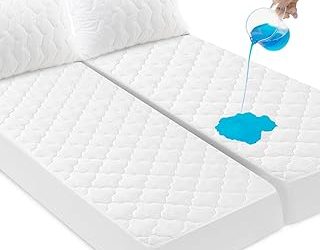
From a durability standpoint, the OLANLY’s down-alternative fill retains loft better than most quilted pads after repeated wash cycles—a critical factor since flattening is the number-one failure mode for pillow-top designs. The 360° elastic skirt grips mattresses up to 21 inches without bunching at corners, and the breathable cooling fabric prevents the heat buildup that side sleepers typically experience with dense quilting. Best suited for those who want plush comfort without deep foam contouring.
3 Inch Ultra-Fluffy Memory Foam Topper
This topper earns its place through sheer ergonomic volume: three inches of pillow-top memory foam with 4X support density gives side sleepers measurable shoulder sink that maintains lumbar neutrality. The air mesh sidewalls are a meaningful design choice—they prevent heat pooling along the topper’s edges, which is where many competitors lose breathability. Ideal for side sleepers managing chronic back pain who need maximum depth of contour on a firm base mattress.
JSELF Gel Memory Foam Topper (Queen)
The dual-layer construction is what separates the JSELF from single-density alternatives. A firmer base layer resists bottoming out under hip weight while the gel-infused top layer contours to the shoulder—exactly the zoned response that side sleepers require. The Bekaert fabric cover adds a tactile refinement that cheaper toppers skip, and the wave-textured surface creates micro-channels for airflow directly beneath the body’s heaviest contact points.
Niagara Sleep Solution Bamboo Pillow Top
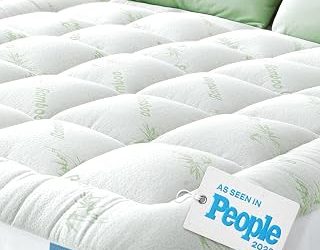
Rayon derived from bamboo is one of the most thermally efficient natural-adjacent textiles available, and Niagara leverages it well across a generous pillow-top loft. For hot sleepers who run warm through the night, this pad’s moisture-wicking fiber structure pulls vapor away faster than synthetic polyester alternatives. At a sub-premium price point, it delivers reliable pressure relief without the firmness that memory foam introduces—making it a strong option for side sleepers who prefer a softer, cloud-like sleeping surface.
BEDLORE Bamboo Viscose Pillow Top
BEDLORE’s bamboo viscose construction performs two functions simultaneously: it wicks heat for hot sleepers while providing thick, even cushioning across the mattress surface. The stretchable pocket design (fitting 6 to 18 inches) gives it broader compatibility than most deep-pocket pads, and the pillow-top density holds up under sustained lateral pressure without the gradual flattening that plagues thinner quilted options. A dependable pick for side sleepers seeking breathability and consistent support night after night.
Frequently Asked Questions
How thick should a mattress pad be for side sleepers?
Most side sleepers benefit from 2 to 3 inches of material thickness. This range allows the shoulder and hip to compress sufficiently for pressure relief while maintaining enough structural support to keep the spine in neutral alignment. Sleepers under 150 lbs may find 2 inches adequate, while those over 200 lbs generally need the full 3 inches to prevent bottoming out.
Will a mattress topper fix a mattress that’s too firm?
A quality 3-inch topper can meaningfully reduce perceived firmness, but it cannot fully compensate for a base mattress that’s structurally unsuitable for side sleeping. Gel or viscoelastic foam toppers redistribute pressure effectively, but if the underlying mattress has broken-down coils or zero contour, the topper will eventually mirror those irregularities rather than masking them.
Do bamboo and bamboo-derived covers actually sleep cooler?
Yes. Rayon derived from bamboo has a naturally higher moisture absorption rate than polyester, which accelerates evaporative cooling at the sleep surface. Combined with the open fiber structure inherent to bamboo-derived textiles, this translates to measurably lower surface temperatures during the first eight hours of contact—precisely when side sleepers accumulate the most heat at their compressed contact zones.
How often should you replace a mattress topper used by side sleepers?
Memory foam toppers under regular use by side sleepers typically begin losing resilience after three to five years, with shoulder and hip zones degrading first due to concentrated mechanical loading. Quilted and fiber-fill pads may flatten sooner—around two to three years—because fiber compression under sustained weight is harder to reverse than viscoelastic foam recovery. Rotating the topper 180 degrees monthly extends usable lifespan meaningfully.
Final Thoughts
For most side sleepers, the JSELF Gel Memory Foam Topper offers the best balance of zoned ergonomic support and thermal management. The 3 Inch Ultra-Fluffy Memory Foam Topper is the superior choice for anyone prioritizing maximum contour depth for back pain relief. And for hot sleepers on a budget who prefer a softer feel, the Niagara Sleep Solution Bamboo Pillow Top delivers reliable cooling and cushioning without the firmness of foam-based alternatives.