Key takeaways
- Match profile height to body load: A 6-inch mattress carries a lighter sleeper comfortably but bottoms out under heavier hips, sending pressure straight into the frame. Anyone over roughly 200 pounds should treat 10 to 12 inches as the practical floor for nightly use.
- Read the support layer, not the comfort layer: Longevity lives in the base. High-density polyfoam or pocketed coils resist the slow creep of body impressions far better than a thick plush top sitting on a thin core.
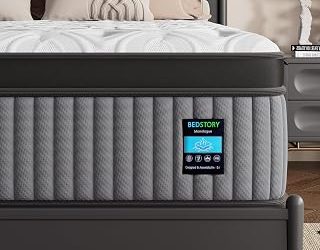
- Check the perimeter before anything else: Reinforced edges let you sit down to dress without collapsing the corner, and they protect the usable sleep surface from shrinking over time. Foam-encased coil systems handle this best in this price bracket.
- Insist on verified materials: CertiPUR-US covers foam emissions and content, OEKO-TEX addresses textiles, and explicit fiberglass-free construction removes a genuine cleanup hazard if the cover ever tears.
- Plan for heat and moisture: Dense memory foam traps warmth against the body. Gel infusions, breathable covers, and open-cell structures help; a removable, washable cover extends the mattress’s service life in kids’ rooms and rentals.
What's inside
Shopping at the budget end of the mattress market means navigating a strange contradiction: the specs sheets all sound identical, yet the beds themselves age at wildly different rates. Two 6-inch foam mattresses can share the same firmness rating, the same certifications, even the same green tea infusion, and one will still develop a hip-shaped valley within eighteen months while the other holds its profile through a lease renewal. What separates them is rarely visible in a listing photo. It comes down to foam density, how the support core distributes load across the shoulder and pelvis, and whether the perimeter can survive being sat on twice a day.
This guide evaluates affordable mattresses the way a durability tester would: looking at compression recovery, spinal alignment across sleep positions, and the structural details that decide whether a bed lasts three years or eight. Below you’ll find the models worth considering in 2026, a selection framework built around body mechanics rather than marketing language, and honest notes on where each option’s limits sit. Slim profiles suit bunks, guest rooms, and platform frames; taller hybrids serve adult primary sleepers who need real load capacity.
As an Amazon Associate we earn from qualifying purchases.



How to Choose a Mattress Inexpensive (2026)
- Match profile height to body load: A 6-inch mattress carries a lighter sleeper comfortably but bottoms out under heavier hips, sending pressure straight into the frame. Anyone over roughly 200 pounds should treat 10 to 12 inches as the practical floor for nightly use.
- Read the support layer, not the comfort layer: Longevity lives in the base. High-density polyfoam or pocketed coils resist the slow creep of body impressions far better than a thick plush top sitting on a thin core.
- Check the perimeter before anything else: Reinforced edges let you sit down to dress without collapsing the corner, and they protect the usable sleep surface from shrinking over time. Foam-encased coil systems handle this best in this price bracket.
- Insist on verified materials: CertiPUR-US covers foam emissions and content, OEKO-TEX addresses textiles, and explicit fiberglass-free construction removes a genuine cleanup hazard if the cover ever tears.
- Plan for heat and moisture: Dense memory foam traps warmth against the body. Gel infusions, breathable covers, and open-cell structures help; a removable, washable cover extends the mattress’s service life in kids’ rooms and rentals.
The Best Mattress Inexpensive (2026)s Reviewed
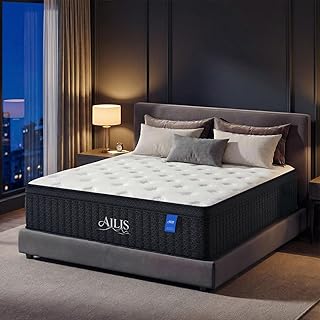
Ailis 12 Inch Queen Hybrid
The strongest structural pick here, pairing upgraded pocketed springs with a foam encasement that keeps the edges genuinely usable rather than decorative. Individually wrapped coils isolate movement well for a mattress at this price, making it the most sensible choice for couples or any adult using the bed nightly.
EGOHOME 8 Inch Full, Green Tea
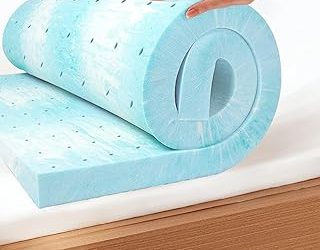
The extra two inches over the entry-level foam crowd translate into meaningful contour depth at the shoulder and lumbar curve, which matters for side sleepers. Cooling gel and fiberglass-free construction address the two most common complaints about cheap memory foam, though its medium-firm response still favors lighter to average builds.
Zinus 6 Inch Full Green Tea Memory Foam
A well-executed slim foam mattress with dual CertiPUR-US and OEKO-TEX verification, which is unusual at this tier and worth noting. Best deployed in guest rooms, day beds, or trundles where the load is intermittent rather than eight hours a night.
Zinus 6 Inch Twin Foam and Spring Hybrid
Swapping an all-foam core for a spring base gives this twin better airflow and a more resilient feel underfoot, so it recovers its shape faster after being compressed. The fiberglass-free build makes it a defensible pick for a child’s room or bunk setup.
Best Price Mattress 6 Inch Full Bed-In-A-Box
The value anchor of the group: a straightforward green tea memory foam slab that arrives compressed and expands cleanly within a day or two. Expect modest longevity under a full-grown adult, but it performs its job admirably in low-frequency or short-term situations.
Frequently Asked Questions
How long should an inexpensive mattress realistically last?
Plan on three to five years for a 6-inch foam model in nightly use, and six to eight for a well-built 12-inch hybrid. Rotating head to foot every few months meaningfully slows the formation of body impressions.
Is 6 inches enough for an adult?
For occasional use, yes. For nightly sleep, most adults do better at 8 inches or more, since a thin profile offers little room for the support core to absorb load before pressure reaches the frame.
Foam or hybrid on a tight budget?
Hybrids generally win on edge support, airflow, and long-term shape retention. All-foam models win on motion quietness and price, and they suit lighter sleepers who prefer a sink-in feel.
What kind of frame should I use?
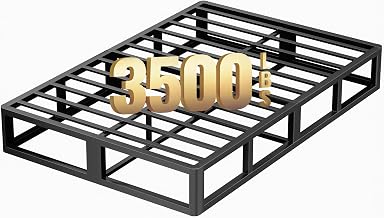
Slatted platforms with gaps no wider than about three inches, or a solid deck. Wider spacing allows the foam to sag between slats, which is a common and entirely preventable cause of premature failure.
Final Thoughts
If the mattress will be slept on every night, the Ailis 12 Inch Queen Hybrid is the one built to absorb that mileage, with the EGOHOME 8 Inch Full a smart step down for single sleepers who still want real contouring. For bunks, guest rooms, and growing kids, the Zinus 6 Inch Twin Foam and Spring Hybrid delivers the best balance of resilience, safe materials, and cost.