Key takeaways
- Base-layer density: Look for memory foam at a minimum of 4 lb/ft³ or high-resilience polyfoam above 1.8 lb/ft³. Anything thinner compresses fully under heavier loads within 12–18 months, eliminating the pressure relief you paid for.
- Coil gauge and count: Pocket springs between 12–13.5 gauge with a higher coil count distribute weight across more independent units. Heavier sleepers should avoid continuous-coil innerspring designs, which transfer force laterally rather than absorbing it vertically.
- Zoned or reinforced lumbar support: A dedicated mid-section zone with firmer materials or tighter coil pitch compensates for the natural concentration of weight around the hips and lower back, keeping the spine neutral rather than bowing into a hammock shape.
- Cooling architecture: Denser bodies generate more heat at the sleep surface. Phase-change covers, graphite or copper infusions, and open-channel coil systems each contribute differently—hybrid designs combining two or more of these features tend to outperform single-method cooling.
- Edge support and trial terms: Reinforced perimeter coils or high-density foam rails prevent that “rolling off” sensation when sitting on the bed’s edge and extend usable sleep surface. Pair that with a trial of at least 365 nights so you can evaluate real-world durability, not just week-one comfort.
What's inside
Standard mattresses are engineered for a statistical midpoint that excludes a large share of real sleepers. People above roughly 230 pounds put concentrated force on foam layers and coil systems that were never stress-tested at that load. The result: premature sagging in the lumbar zone, heat buildup from compressed polyfoam, and a loss of spinal alignment that turns eight hours of rest into eight hours of accumulated strain.
This guide distills what actually holds up over time under greater body weight. I evaluated each mattress below on base-layer density, coil gauge, edge reinforcement, breathability under load, and manufacturer warranty coverage—because the specs that matter most are the ones most marketing pages bury.
As an Amazon Associate we earn from qualifying purchases.


How to Choose a Mattress For Larger People (2026)
- Base-layer density: Look for memory foam at a minimum of 4 lb/ft³ or high-resilience polyfoam above 1.8 lb/ft³. Anything thinner compresses fully under heavier loads within 12–18 months, eliminating the pressure relief you paid for.
- Coil gauge and count: Pocket springs between 12–13.5 gauge with a higher coil count distribute weight across more independent units. Heavier sleepers should avoid continuous-coil innerspring designs, which transfer force laterally rather than absorbing it vertically.
- Zoned or reinforced lumbar support: A dedicated mid-section zone with firmer materials or tighter coil pitch compensates for the natural concentration of weight around the hips and lower back, keeping the spine neutral rather than bowing into a hammock shape.
- Cooling architecture: Denser bodies generate more heat at the sleep surface. Phase-change covers, graphite or copper infusions, and open-channel coil systems each contribute differently—hybrid designs combining two or more of these features tend to outperform single-method cooling.
- Edge support and trial terms: Reinforced perimeter coils or high-density foam rails prevent that “rolling off” sensation when sitting on the bed’s edge and extend usable sleep surface. Pair that with a trial of at least 365 nights so you can evaluate real-world durability, not just week-one comfort.
The Best Mattress For Larger People (2026) Reviewed
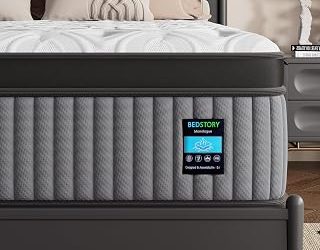
BedStory 14 Inch King Hybrid
Built specifically with heavier sleepers in mind, the BedStory uses zoned lumbar pocket springs that resist the sagging patterns most hybrids develop after two years of concentrated loading. Its dedicated 10-year warranty backing the no-sagging claim gives this one the strongest durability signal in the lineup—exactly the kind of written commitment that separates marketing from engineering accountability.
EGOHOME King 14 Inch Memory Foam
The copper-gel-infused foam and graphene-cool-tech cover address the twin problems of heat retention and surface moisture that heavier sleepers experience on traditional memory foam. ICA endorsement adds clinical credibility to the pressure-relief claims, and the fiberglass-free construction means no particulate risk if the cover is ever removed for cleaning—something worth prioritizing in a mattress that will see higher surface wear.
Sweetnight CoolNest Hybrid King 14 Inch
With seven distinct ergonomic zones and a four-stage cooling pillow top, this hybrid attempts something most competitors skip: mapping support and airflow to different body regions rather than applying a one-firmness-fits-all approach. The differentiated zone mapping is particularly relevant for larger people whose weight distribution varies significantly between shoulders, torso, and hips.
Sleepmax Queen 14 Inch Hybrid
The Sleepmax earns its place through sheer trial confidence—a 365-night trial backed by CertiPUR-US certification and fiberglass-free construction signals that the manufacturer expects the foam and spring system to perform beyond the typical 90-day novelty period. Its pressure-relieving hybrid build handles both back and side sleeping positions, which matters because larger sleepers often shift positions more frequently to relieve pressure points.
Sweetnight CoolNest 14 Inch King Memory Foam
The all-foam variant of the CoolNest trades coil-based bounce for five-zone ergonomic foam layering that cradles rather than pushes back. For larger side sleepers specifically, the slower response of memory foam can reduce shoulder and hip peak pressure more effectively than springs—provided the foam density holds up, which the CertiPUR-US certification partially validates through material standards.
Frequently Asked Questions
What firmness level is best for a heavier person?
Medium-firm to firm consistently performs better for sleepers above 230 pounds. Softer surfaces compress too deeply, creating the spinal misalignment that causes chronic lower-back pain. That said, “firm” doesn’t mean rigid—a hybrid with a firm coil base and a modest comfort layer gives contouring without collapse.
Do I need a special bed frame for a heavier sleeper?
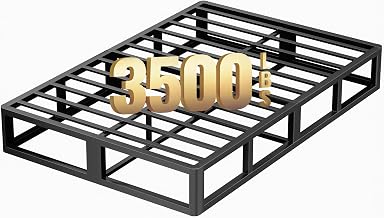
A reinforced platform bed or an adjustable base rated for at least 700 pounds is advisable. Traditional box-spring foundations are the weakest link in most setups, flexing under load and undermining whatever support the mattress was designed to provide. Slatted bases need slats no more than three inches apart.
How long will a mattress last for a larger person?
Expect 6–8 years from a well-built hybrid with appropriate coil gauge, compared to the 7–10 year average for average-weight sleepers. Higher-density foam and reinforced coils extend that window, but rotation every three to four months is non-negotiable for evening out compression patterns.
Are hybrid or memory foam mattresses better for heavy sleepers?
Hybrids generally outperform all-foam designs under heavier loads because pocket coils resist bottoming out more effectively than even high-density foam layers. The ideal configuration combines a robust coil core with a moderate foam comfort layer—enough contouring to relieve pressure, not so much that you sleep “in” the mattress rather than “on” it.
Final Thoughts
For the best balance of durability and targeted support, the BedStory 14 Inch King Hybrid stands out with its explicit no-sagging warranty—rare confidence from any manufacturer. The EGOHOME King brings superior cooling technology backed by clinical endorsement, and the Sweetnight CoolNest Hybrid offers the most sophisticated zone mapping for sleepers whose weight demands differentiated support across their body. Whichever you choose, prioritize coil gauge and foam density over comfort-layer thickness—those two specs predict how your mattress will feel in year three, not just week one.