Key takeaways
- Coil Gauge and Count: Look for 13-gauge or lower pocketed coils with a high coil count. Thicker gauge wire resists compression under heavier loads, preventing the “hammock effect” that causes misaligned sleep posture.
- Foam Density Rating: CertiPUR-US certification matters because it verifies minimum density thresholds. Higher-density memory foam (4 lb/ft³ or above) resists body impressions far longer than cheaper alternatives that flatten within months.
- Zoned Support Design: A mattress that firms up in the lumbar region and yields slightly under shoulders and hips distributes weight more intelligently. This reduces pressure-point buildup and keeps the spine neutral — critical for anyone over 230 pounds.
- Overall Mattress Height: At 14 inches, you get a meaningful comfort-layer stack without creating an unstable, overly tall sleeping surface. Thinner mattresses risk bottoming out; much thicker ones can feel wobbly when getting in and out of bed.
- Edge Reinforcement: Reinforced perimeter coils or high-density foam rails prevent the mattress edge from collapsing when you sit or sleep near the border. For heavier sleepers, this detail directly impacts usable surface area and bed entry ergonomics.
What's inside
Shoppers carrying more weight than average face a frustrating reality: most mattresses marketed as “universal” are engineered around a 150-pound test model. That means premature sagging, bottoming out on the coils, and sleep surfaces that collapse precisely where support matters most. For heavier individuals, the wrong mattress doesn’t just feel uncomfortable — it accelerates wear and can worsen chronic back and joint pain over time.
This guide cuts through the noise. I evaluated each mattress below from an ergonomics-and-durability perspective, focusing on coil gauge, foam density certifications, zoned support architecture, and real-world longevity under higher load. Every pick on this list is a 14-inch hybrid or foam build designed to hold up night after night without surrendering its structure.
As an Amazon Associate we earn from qualifying purchases.


How to Choose a Mattress for Heavy Weight People (2026)
- Coil Gauge and Count: Look for 13-gauge or lower pocketed coils with a high coil count. Thicker gauge wire resists compression under heavier loads, preventing the “hammock effect” that causes misaligned sleep posture.
- Foam Density Rating: CertiPUR-US certification matters because it verifies minimum density thresholds. Higher-density memory foam (4 lb/ft³ or above) resists body impressions far longer than cheaper alternatives that flatten within months.
- Zoned Support Design: A mattress that firms up in the lumbar region and yields slightly under shoulders and hips distributes weight more intelligently. This reduces pressure-point buildup and keeps the spine neutral — critical for anyone over 230 pounds.
- Overall Mattress Height: At 14 inches, you get a meaningful comfort-layer stack without creating an unstable, overly tall sleeping surface. Thinner mattresses risk bottoming out; much thicker ones can feel wobbly when getting in and out of bed.
- Edge Reinforcement: Reinforced perimeter coils or high-density foam rails prevent the mattress edge from collapsing when you sit or sleep near the border. For heavier sleepers, this detail directly impacts usable surface area and bed entry ergonomics.
The Best Mattresses for Heavy Weight People (2026) Reviewed
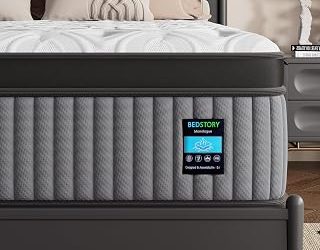
BedStory 14 Inch King Hybrid
The BedStory Hybrid stands out for its aggressive zoned lumbar architecture — independent coil clusters beneath the midsection are noticeably firmer than those under the extremities. Under heavier loads, this translates to genuinely maintained spinal alignment rather than the generalized firmness that cheaper beds mistake for support. The pocket spring system handles weight transfer cleanly, making it a strong pick for couples.
Sweetnight CoolNest 14 Inch King
Sweetnight built the CoolNest around a five-zone ergonomic layout that maps directly to anatomical pressure corridors — lumbar, hips, thighs, shoulders, and head each get a distinct support response. The cooling gel-infused foam layer addresses a problem heavier sleepers know well: heat retention. Breathability combined with CertiPUR-US-certified foams gives this mattress a durability profile that outperforms its price bracket.
Coolvie Hybrid Latex King 14 Inch
What separates the Coolvie from competitors is the latex layer — it bounces back faster than memory foam under sustained pressure, meaning heavier sleepers won’t sink into a permanent impression overnight. The five-zone heavy-duty spring system beneath pairs with a luxury euro top that softens the surface without sacrificing the structural backbone. Motion isolation is genuinely impressive here, absorbing partner movement before it crosses the bed.
Extra Firm 14 Inch Queen Hybrid
This mattress takes a no-nonsense approach: multi-layer luxury foam stacked over reinforced coils with a fiberglass-free construction that prioritizes firmness without chemical compromise. The thick foam edge detailing creates a rigid perimeter that doesn’t deform when you shift toward the bed’s boundary. For seniors and heavier couples seeking an uncompromisingly firm surface, this pick delivers predictable, even support.
Sleepmax 14 Inch Queen Hybrid
Sleepmax engineered this bed around deep-sleep pressure relief — the hybrid layering targets hip and shoulder zones with zone-specific foam firmness while maintaining a cooling airflow channel through the coil core. The 365-night trial reflects genuine confidence in the build. At this price point, the CertiPUR-US certification and fiberglass-free materials make it a sensible, low-risk investment for back and side sleepers on the heavier side.
Frequently Asked Questions
What mattress firmness is best for heavier people?
Medium-firm to extra-firm typically works best. The goal isn’t maximum hardness — it’s sufficient resistance to prevent excessive sinking while still allowing contouring at the shoulders and hips. A medium-firm surface paired with high-density foam gives most heavier sleepers the right balance of comfort and structural integrity.
How long will a mattress last for a heavier sleeper?
Most quality hybrids last seven to ten years under normal use, but heavier individuals may see compression begin earlier — around the five-year mark on lower-density foams. Choosing CertiPUR-US-certified foams, reinforced coils, and zoned construction extends that timeline meaningfully.
Is a hybrid or memory foam mattress better for heavy weight?
Hybrids generally outperform pure memory foam for heavier sleepers. The pocketed coil core provides a mechanical support layer that foam alone cannot replicate, reducing heat buildup and preventing the deep body impressions that plague all-foam designs under sustained higher loads.
Do I need a specific bed frame for a heavy-person mattress?
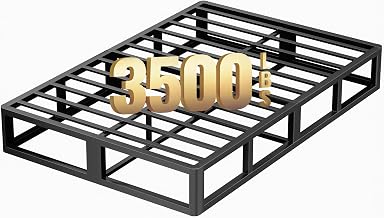
Yes. A reinforced platform bed or slatted base with slats no more than three inches apart distributes weight evenly across the mattress underside. Standard frames with wide slat gaps allow sagging regardless of mattress quality, so pair your investment with proper foundational support.
Final Thoughts
For shoppers prioritizing proven zoned support and long-term coil resilience, the BedStory 14 Inch King Hybrid leads the field. The Sweetnight CoolNest offers the strongest cooling-to-support ratio for temperature-sensitive heavier sleepers, while the Coolvie Hybrid Latex delivers the most responsive bounce-back under sustained load. All three represent smart, durable investments in genuinely restorative sleep.