Key takeaways
- Zoned Lumbar Support: Look for mattresses that segment firmness across five or more body zones. A denser center third prevents the hip region from sinking past neutral, which is the primary cause of morning lower-back pain in side sleepers carrying extra weight.
- Foam Density & ILD Rating: Target memory foam layers at 4.0 lb/ft³ density or higher with an indent load deflection (ILD) between 12 and 18 for comfort layers. Anything softer degrades quickly under heavier loads, while anything firmer fails to relieve shoulder and hip pressure.
- Coil Gauge & Pocketed Spring Count: For hybrid designs, 13-gauge or 14-gauge pocketed coils deliver the resilience needed for heavier bodies. A higher coil count (1,000+ in king size) distributes weight more evenly and limits motion transfer to a sleeping partner.
- Edge Reinforcement: Reinforced perimeter coils or high-density foam rails keep the usable sleep surface intact to the very edge. For heavier side sleepers, collapsing edges mean less shoulder room and a constant feeling of sliding toward the center of the bed.
- Certifications & Trial Periods: CertiPUR-US certification confirms that foams are tested for durability, emissions, and chemical safety. Pair that with a sleep trial of 365 nights or longer so you can confirm real-world performance under your specific body conditions before committing.
What's inside
Most mattresses on the market collapse under the combined demands of heavier body weight and side-sleeping posture. Side sleepers already place extreme localized pressure on the shoulders and hips; add a body weight above 200 pounds, and cheap foams bottom out within months, creating painful pressure points and a hammocking effect that throws the spine out of alignment. The result is a restless night, chronic soreness, and a mattress replacement cycle nobody wants to repeat.
This guide, written from an ergonomics-and-durability standpoint, zeroes in on six mattresses that genuinely hold up under sustained load while cradling side-sleeping pressure zones. Each pick was evaluated for zonal support architecture, foam density and resiliency, coil gauge (where applicable), edge reinforcement, and cooling under compression. Scroll past the quick-pick cards to see the full breakdown and our 2026 buying criteria.
As an Amazon Associate we earn from qualifying purchases.




How to Choose a Mattress for Heavy Side Sleepers (2026)
- Zoned Lumbar Support: Look for mattresses that segment firmness across five or more body zones. A denser center third prevents the hip region from sinking past neutral, which is the primary cause of morning lower-back pain in side sleepers carrying extra weight.
- Foam Density & ILD Rating: Target memory foam layers at 4.0 lb/ft³ density or higher with an indent load deflection (ILD) between 12 and 18 for comfort layers. Anything softer degrades quickly under heavier loads, while anything firmer fails to relieve shoulder and hip pressure.
- Coil Gauge & Pocketed Spring Count: For hybrid designs, 13-gauge or 14-gauge pocketed coils deliver the resilience needed for heavier bodies. A higher coil count (1,000+ in king size) distributes weight more evenly and limits motion transfer to a sleeping partner.
- Edge Reinforcement: Reinforced perimeter coils or high-density foam rails keep the usable sleep surface intact to the very edge. For heavier side sleepers, collapsing edges mean less shoulder room and a constant feeling of sliding toward the center of the bed.
- Certifications & Trial Periods: CertiPUR-US certification confirms that foams are tested for durability, emissions, and chemical safety. Pair that with a sleep trial of 365 nights or longer so you can confirm real-world performance under your specific body conditions before committing.
The Best Mattresses for Heavy Side Sleepers (2026) Reviewed
Sweetnight CoolNest 14-Inch King
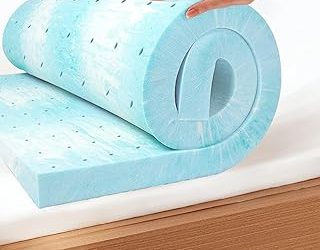
The CoolNest’s five-zone ergonomic foam core is engineered to deliver noticeably firmer pushback through the lumbar and hip sectors while keeping the shoulder zone pliable enough for side-sleeping pressure relief. At 14 inches, the layer stack resists compression set even under sustained loads, and the enhanced breathability channels reduce the heat buildup that heavier sleepers commonly experience with dense memory foam.
Sleepmax 14-Inch Hybrid Queen
Sleepmax pairs a gel-infused foam comfort layer with a pocketed coil base, creating a hybrid that breathes better than all-foam alternatives while still conforming to shoulder and hip curves. The fiberglass-free construction is a meaningful durability detail — it means the cover and fire barrier won’t break down into irritants over years of nightly compression cycles.
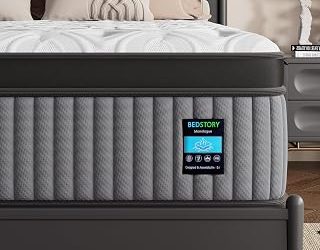
BedStory 14-Inch Hybrid King
Built specifically with heavy users in mind, BedStory uses zoned lumbar pocket springs that resist sagging far longer than uniform coil systems. The pocket spring architecture means each coil responds independently to weight, which is critical for side sleepers who need the hip zone supported without stiffening the shoulder zone. A 10-year warranty signals manufacturer confidence in long-term structural integrity.
Beautyrest World Class Level Three Plush 14.75″
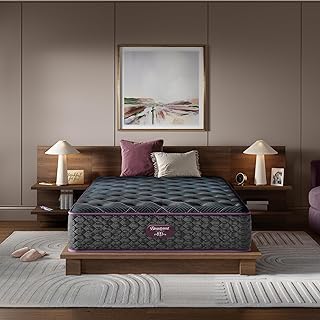
Beautyrest’s nearly 15-inch profile accommodates a thicker comfort layer stack, which benefits heavier side sleepers by providing more material before you approach the firmer support core. The plush rating doesn’t mean weak support — the multi-layer construction maintains spinal alignment under load. This mattress is made in the USA with global components and backed by a 10-year limited warranty and 100-night trial.
Novilla 14-Inch King Hybrid
Novilla combines gel memory foam with pocketed coils and a cool-touch nylon cover that actively pulls heat away from the sleep surface — a crucial feature for heavier bodies that retain more thermal energy during sleep. The spinal alignment geometry of the coil layer keeps the lumbar spine level without eliminating the contouring that side sleepers need at the shoulder and hip contact points.
Frequently Asked Questions
What mattress firmness is best for heavy side sleepers?
A medium to medium-firm feel (approximately 5–6 on a 10-point scale) balances pressure relief with structural support. Going softer causes excessive sinkage in the hip zone; going firmer creates painful pressure at the shoulder. Zoned constructions that vary firmness across the body are the most reliable way to hit both targets simultaneously.
How thick should a mattress be for a heavier person?
Look for mattresses at 12 to 15 inches thick. Thicker profiles allow more layered construction, meaning the comfort foam doesn’t bottom out into the support core prematurely. Under 10 inches, compression set and premature sagging become serious risks for anyone above 230 pounds.
Are hybrid mattresses better than all-foam for heavy side sleepers?
Generally yes. Pocketed coil bases provide superior structural resilience and airflow compared to dense foam cores, which compress more easily and trap body heat. However, premium all-foam mattresses with high-density support layers can perform well if the foam specifications are rigorous enough.
How long should a quality mattress last a heavier sleeper?
With proper care — including a compatible foundation, rotation every 90 days, and a breathable mattress protector — a well-built hybrid or high-density foam mattress should maintain its support profile for 7 to 10 years. Heavier sleepers should expect the lower end of that range and prioritize warranties of at least 10 years.
Final Thoughts
For heavy side sleepers in 2026, the Sweetnight CoolNest stands out for its purpose-built five-zone pressure mapping, the BedStory Hybrid earns top marks for anti-sag engineering under heavy loads, and the Novilla Hybrid offers the best cooling-to-support ratio in this roundup. Each addresses the core challenge — sustained pressure zone protection without structural compromise — from a slightly different engineering angle, so your best pick depends on whether you prioritize zoning precision, durability longevity, or thermal management.