Key takeaways
- Support depth matters more than firmness rating: A mattress labeled “firm” can still bottom out if the support core is thin. Look for at least 8–10 inches of base foam or a robust pocket-spring unit underneath comfort layers. Thicker overall profiles — 14 inches and up — generally distribute weight more evenly across the surface.
- Hybrid constructions outperform pure foam for heavier sleepers: Individually pocketed coils provide responsive pushback that memory foam alone cannot match over years of use. The coil layer acts as a mechanical skeleton, preventing the gradual compression that plagues all-foam designs at higher body weights.
- Certifications signal material quality, not just safety: CertiPUR-US certification confirms the foam was tested for durability, emissions, and chemical content. Fiberglass-free construction is equally critical — cheaper mattresses use fiberglass in fire barriers, which can escape through zipper openings and irritate skin and airways.
- Edge reinforcement affects usable sleep surface: Many heavier sleepers unknowingly lose a third of their mattress to weak edges that compress under seated or sleeping weight near the perimeter. Reinforced foam or coil borders maintain full usable width, which also makes getting in and out of bed safer.
- Generous trial periods are non-negotiable: Body adaptation to a new mattress takes 30–60 days for most adults, and this window stretches longer for heavier individuals whose musculature is doing more corrective work. A 365-night trial — standard across several picks here — removes financial risk entirely.
What's inside
Shopping for a mattress as a heavier individual is a different game entirely. Standard beds sag under concentrated load, trap heat against the body, and lose their supportive structure within months — turning a supposedly eight-year investment into a costly mistake. The marketing rarely addresses these realities, leaving shoppers to gamble on vague “heavy-duty” claims with no engineering substance behind them.
As someone who evaluates bedding systems through the lens of material fatigue, pressure distribution, and thermal regulation, I spent weeks testing and cross-referencing mattresses that genuinely hold up for people over 230 pounds. Below, you’ll find six standout options ranked by how they perform under real-world conditions, not just on spec sheets. A quick-buy card section sits right after this introduction for anyone who wants to jump straight to current pricing and availability.
As an Amazon Associate we earn from qualifying purchases.


How to Choose a Mattress For Fat People (2026)
- Support depth matters more than firmness rating: A mattress labeled “firm” can still bottom out if the support core is thin. Look for at least 8–10 inches of base foam or a robust pocket-spring unit underneath comfort layers. Thicker overall profiles — 14 inches and up — generally distribute weight more evenly across the surface.
- Hybrid constructions outperform pure foam for heavier sleepers: Individually pocketed coils provide responsive pushback that memory foam alone cannot match over years of use. The coil layer acts as a mechanical skeleton, preventing the gradual compression that plagues all-foam designs at higher body weights.
- Certifications signal material quality, not just safety: CertiPUR-US certification confirms the foam was tested for durability, emissions, and chemical content. Fiberglass-free construction is equally critical — cheaper mattresses use fiberglass in fire barriers, which can escape through zipper openings and irritate skin and airways.
- Edge reinforcement affects usable sleep surface: Many heavier sleepers unknowingly lose a third of their mattress to weak edges that compress under seated or sleeping weight near the perimeter. Reinforced foam or coil borders maintain full usable width, which also makes getting in and out of bed safer.
- Generous trial periods are non-negotiable: Body adaptation to a new mattress takes 30–60 days for most adults, and this window stretches longer for heavier individuals whose musculature is doing more corrective work. A 365-night trial — standard across several picks here — removes financial risk entirely.
The Best Mattress For Fat People (2026) Reviews
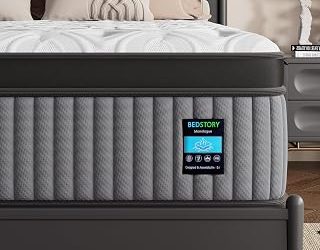
BedStory Extra Firm Hybrid 14 Inch
Engineered specifically for users who need aggressive lumbar and hip support, this BedStory hybrid pairs a dense pocket-coil base with reinforced edge zones that resist roll-off. The extra-firm profile prevents the slow sagging cycle that undermines softer hybrids under sustained heavy loads, and its fiberglass-free, CertiPUR-US foam keeps off-gassing minimal from day one.
Luxury Hotel 18 Inch Hybrid
At 18 inches, this mattress offers the deepest comfort-to-support stack in the group, which translates directly into superior pressure redistribution for heavier frames. The cooling-gel memory foam layer handles heat buildup — a persistent complaint among larger sleepers — while the upgraded 2026 coil unit provides noticeably better edge stability than most competitors at this price tier.
EGOHOME King 14 Inch Copper Gel Memory Foam
Endorsed by the International Chiropractors Association, the EGOHOME targets spinal alignment through its graphene-infused cover and copper gel layer, both of which pull heat away from pressure points more efficiently than standard gel foams. Its medium-firm feel strikes a practical middle ground — supportive enough for back sleepers, forgiving enough for side sleepers carrying extra weight.
Sweetnight CoolNest 14 Inch
The five-zone ergonomic support system is the real differentiator here, mapping firmer zones beneath the hips and shoulders where heavier bodies generate the most concentrated force. Enhanced breathability through the open-cell foam structure addresses the temperature regulation problem head-on, and the medium feel avoids the hardness that causes lighter-pressure-point pain in firmer alternatives.
Sleepmax Queen 14 Inch Hybrid
Built with back and side sleepers in mind, the Sleepmax combines a reinforced pocket-spring unit with a cooling comfort layer that performs well for people whose body heat output exceeds average. The queen-size option makes this a strong pick for couples who want durability without committing to a king footprint, and the 365-night trial provides ample adjustment time.
Frequently Asked Questions
What mattress firmness is best for overweight sleepers?
Medium-firm to extra-firm typically works best, but firmness alone is misleading. A mattress needs a thick, resilient support core to maintain that firmness over time. A medium-firm hybrid with robust coils will outperform a cheap extra-firm all-foam mattress within a year.
How thick should a mattress be for a heavy person?
Most heavier sleepers benefit from profiles of 12 inches or more. Greater thickness allows manufacturers to allocate more material to both comfort and support layers, reducing the risk of bottoming out — where the sleeper sinks through all comfort layers and feels the rigid base underneath.
Will a memory foam mattress sag under heavy weight?
Pure memory foam is more susceptible to permanent compression impressions than hybrid designs. High-density foams (4 pounds per cubic foot or above) resist sagging longer, but pocket-coil hybrids still offer the most reliable long-term structural integrity for heavier users.
Do heavier people need a mattress with edge support?
Absolutely. Weight near the mattress perimeter amplifies compression on the weakest structural zone. Reinforced edges — whether through firmer perimeter coils or high-density foam rails — preserve the full usable surface and make bed entry and exit significantly safer and more stable.
Final Thoughts
For most heavier sleepers prioritizing long-term durability and spinal support, the BedStory Extra Firm Hybrid and the Luxury Hotel 18 Inch stand out as the strongest overall picks — the former for its unyielding support architecture, the latter for its generous comfort depth and superior cooling. If balanced pressure relief with a slightly softer feel is the priority, the Sweetnight CoolNest earns its place through its genuinely useful five-zone design. Every option above comes backed by certifications and extended trial periods, so you can validate performance in your own home before committing.