Key takeaways
- Coil gauge and count: Look for 13- or 14-gauge pocket coils with a count above 800 in king size. Thicker wire resists permanent deflection under load, and higher counts spread force across more contact points.
- Foam density rating: Polyfoam base layers should sit at or above 1.8 lb/ft³; memory-foam comfort layers work best at 4.0 lb/ft³ or higher. Lower densities develop body impressions within a year for heavier sleepers.
- Zoned lumbar reinforcement: A dedicated middle-third zone — whether through firmer coils or denser foam — counteracts the hammock effect that heavier torsos naturally create, keeping the spine neutral all night.
- Edge support system: Reinforced perimeter rails or a higher-density foam encasement prevent the “rolling off” sensation and extend usable sleep surface by roughly 15 to 20 percent — a significant bonus when you need room to shift positions.
- Certifications and trial length: CertiPUR-US or equivalent certification ensures foam is free from harmful off-gassing chemicals. A 365-night trial is the minimum comfort window you should accept when investing in a bed that has to hold up under serious weight.
What's inside
If you weigh over 250 pounds, you already know the mattress market wasn’t really built with you in mind. Standard beds compress unevenly under heavier loads, creating pressure hotspots at the hips and shoulders that disrupt spinal alignment. Over a few months, that translates into morning stiffness, lower-back ache, and a mattress that sags long before its warranty should expire. The core problem is structural: most foam-only beds lack the internal resistance to distribute weight laterally, and cheap coil systems bottom out under concentrated pressure.
This guide applies an ergonomics-first, durability-driven lens to six mattresses engineered for higher body weight. Each pick was evaluated against coil gauge, foam density, zoned support architecture, edge reinforcement, and long-haul resistance to body impressions. Below you’ll find our curated picks, a buying framework, and answers to the questions heavy shoppers ask most.
As an Amazon Associate we earn from qualifying purchases.


How to Choose a Mattress For Big People (2026)
- Coil gauge and count: Look for 13- or 14-gauge pocket coils with a count above 800 in king size. Thicker wire resists permanent deflection under load, and higher counts spread force across more contact points.
- Foam density rating: Polyfoam base layers should sit at or above 1.8 lb/ft³; memory-foam comfort layers work best at 4.0 lb/ft³ or higher. Lower densities develop body impressions within a year for heavier sleepers.
- Zoned lumbar reinforcement: A dedicated middle-third zone — whether through firmer coils or denser foam — counteracts the hammock effect that heavier torsos naturally create, keeping the spine neutral all night.
- Edge support system: Reinforced perimeter rails or a higher-density foam encasement prevent the “rolling off” sensation and extend usable sleep surface by roughly 15 to 20 percent — a significant bonus when you need room to shift positions.
- Certifications and trial length: CertiPUR-US or equivalent certification ensures foam is free from harmful off-gassing chemicals. A 365-night trial is the minimum comfort window you should accept when investing in a bed that has to hold up under serious weight.
The Best Mattress For Big People (2026) Reviews
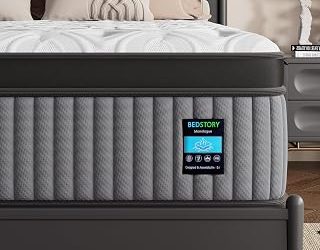
BedStory 14 Inch Hybrid King
Built specifically with heavier sleepers in mind, this hybrid pairs zoned lumbar pocket coils with a reinforced perimeter that genuinely holds its shape. The 10-year warranty reflects engineering confidence, and the no-sagging coil architecture addresses the most common durability complaint among shoppers over 250 pounds.
EGOHOME 14 Inch King Memory Foam
Endorsed by the International Chiropractors Association, this copper-gel-infused foam mattress delivers medium-firm support with graphene-cooled cover technology that tackles heat buildup — a frequent pain point for larger bodies pressing deeper into foam layers. Fiberglass-free construction and CertiPUR-US certification round out a well-rounded pick.
Sleepmax 14 Inch Queen Hybrid
The Sleepmax combines hybrid coil support with pressure-relieving foam zones tailored for back and side sleepers who need contouring without collapse. A fiberglass-free build and 365-night trial give you a full year to confirm the mattress holds up under your specific weight and sleep position profile.
Sweetnight CoolNest 14 Inch King
Five ergonomic zones map pressure relief across the shoulders, lumbar, hips, knees, and ankles — a level of mapping that pays dividends for heavier sleepers who tend to compress conventional mattresses unevenly. Enhanced breathability in the cover helps dissipate the additional body heat that larger frames naturally generate.
16 Inch Luxury Hybrid King
The extra two inches of total depth provide additional transition and base foam, which translates to a longer timeline before any measurable body impressions appear. Seven-zone support architecture and medium-firm tuning make this the most structurally generous option on the list, designed in the USA with a full 365-night trial backing it up.
Frequently Asked Questions
What mattress firmness is best for heavy people?
Medium-firm (around 6 to 7 on a 10-point scale) consistently outperforms both soft and extra-firm options for sleepers over 230 pounds. You need enough give to relieve pressure points at the hips and shoulders, but firm enough resistance to prevent the pelvis from sinking and creating a spinal misalignment that strains the lower back overnight.
How long will a mattress last for a heavy sleeper?
A well-built hybrid with high-density foam and thick-gauge coils should maintain structural integrity for eight to ten years under a 250-to-350-pound sleeper. Pure memory-foam mattresses tend to develop visible impressions within three to five years at higher weights, which is why hybrid construction earns the durability edge in this category.
Do I need a special bed frame for a heavy-person mattress?
Yes. A platform bed or an adjustable base with slats spaced no more than three inches apart provides the even foundation these mattresses require. Traditional box springs flex unevenly under concentrated weight and can void certain warranties, so skip them entirely if your body weight demands serious support.
Are hybrid mattresses better than foam for bigger people?
In most cases, yes. Pocket coils deliver the structural resistance that foam alone cannot match at higher weights, while a foam comfort layer adds the pressure relief that coils by themselves lack. This layered approach distributes load more evenly and resists permanent compression far better than any all-foam design.
Final Thoughts
For shoppers who need uncompromising durability, the BedStory 14 Inch Hybrid stands out as the most purpose-built option with its zoned lumbar architecture and decade-long warranty. The 16 Inch Luxury Hybrid offers the deepest construction for maximum longevity, while the EGOHOME 14 Inch earns its place for sleepers who prioritize certified ergonomic spinal alignment backed by professional endorsement. Any of these three addresses the core challenges heavier shoppers face — sagging, heat, and inadequate support — without asking you to compromise on comfort.