Key takeaways
- Clearance: Measure the space around the island, not just the island footprint. Aim for roughly 36 inches of passageway, with more room near cooking zones, appliances, and seating.
- Working height: Counter-height models suit most food preparation, while bar-height seating can leave shorter users with poor foot support and uncomfortable shoulder elevation.
- Surface durability: Solid wood generally handles refinishing and everyday knocks better than thin laminate or decorative coatings. Still, every surface benefits from prompt cleanup and protection from hot cookware.
- Storage access: Drawers, cabinets, open shelves, and appliance bays serve different purposes. Check whether doors and drawers can open fully without colliding with nearby cabinets.
- Mobility and stability: Casters improve flexibility but should lock securely. A stationary island may feel steadier for chopping, while a mobile cart is more adaptable in a compact kitchen.
What's inside
A kitchen island has to do more than fill an open patch of floor. It needs to support food preparation, tolerate daily impacts, provide useful storage, and remain comfortable to approach from more than one side. The wrong choice can create cramped walkways, awkward seating, unstable drawers, or a countertop that shows wear quickly.
This guide evaluates the leading kitchen islands through an ergonomics-and-durability lens. We look at working height, clearances, mobility, storage access, surface resilience, seating practicality, and features such as outlets and adjustable shelving—details that matter long after the initial assembly.
As an Amazon Associate we earn from qualifying purchases.



How to Choose a/an Kitchen Island (2026)
- Clearance: Measure the space around the island, not just the island footprint. Aim for roughly 36 inches of passageway, with more room near cooking zones, appliances, and seating.
- Working height: Counter-height models suit most food preparation, while bar-height seating can leave shorter users with poor foot support and uncomfortable shoulder elevation.
- Surface durability: Solid wood generally handles refinishing and everyday knocks better than thin laminate or decorative coatings. Still, every surface benefits from prompt cleanup and protection from hot cookware.
- Storage access: Drawers, cabinets, open shelves, and appliance bays serve different purposes. Check whether doors and drawers can open fully without colliding with nearby cabinets.
- Mobility and stability: Casters improve flexibility but should lock securely. A stationary island may feel steadier for chopping, while a mobile cart is more adaptable in a compact kitchen.
The Best Kitchen Island (2026)s Reviewed
60-Inch Kitchen Island with Trash Storage
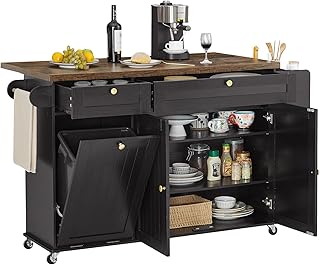
This black-and-rustic-brown island is designed for kitchens that need substantial storage without sacrificing everyday convenience. Its trash-can compartment, adjustable shelf, drop leaf, and integrated power outlet make it unusually versatile, although the extended footprint deserves careful clearance planning. The rolling base is useful for repositioning, but lock the casters before using the work surface for forceful tasks.
71-Inch Modern Island with Seating
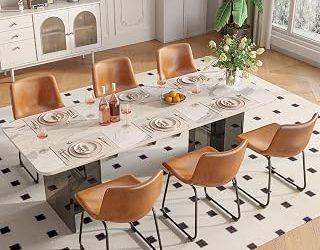
The 71-inch model is the strongest choice for households that want the island to function as both storage furniture and a dining hub. Its faux-marble top, drawers, cabinet storage, and refrigerator space support a broad range of uses, while seating for four makes it suitable for family meals or casual work. Because it is stationary and particularly large, verify doorway access and floor space before ordering.
Casual Home Solid Hardwood Kitchen Island
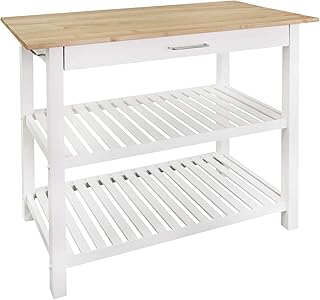
Casual Home’s 40-inch island is a compact, dependable option built around a solid American hardwood top. The natural-and-white finish is visually adaptable, and the smaller size makes it easier to place in apartments or narrow kitchens. It offers less capacity than larger carts, but its restrained proportions can improve movement and reduce the temptation to overload the work surface.
Homestyles Mobile Island Cart
This blue Homestyles cart combines a wood top with a dropleaf breakfast bar, giving a relatively small kitchen extra preparation and serving space when needed. The folding extension is ergonomically helpful because it can remain closed during cooking and open only when seating or staging space is required. Its mobile format suits flexible layouts, provided the wheels are secured when the top is in use.
VEVOR Rolling Kitchen Island Cart
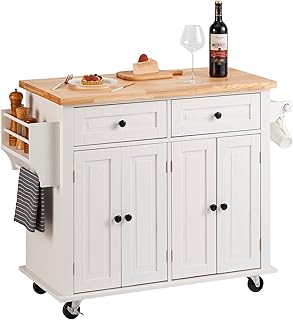
VEVOR’s white cart focuses on organized access, with a solid wood top, storage cabinet, drawer, spice rack, and towel rack. Height-adjustable shelving is particularly valuable for accommodating tall bottles, cookware, or small appliances without wasting vertical space. Its 35.4-inch width is manageable in tighter rooms, though a compact cart cannot replace the stability or storage volume of a full stationary island.
Frequently Asked Questions
How much space should be left around a kitchen island?
Leave at least 36 inches for a comfortable walkway, and consider 42 to 48 inches where two people cook, where an oven opens, or where drawers face one another. Seating requires additional room behind the stools so people can sit and pass safely.
Are rolling kitchen islands stable enough for food preparation?
They can be, especially when equipped with locking casters and a broad base. Engage every wheel lock before chopping, kneading, or using a heavy countertop appliance, and avoid leaning heavily on a drop leaf or extended section.
Is a solid wood countertop worth choosing?
Usually, yes, when long-term serviceability matters. Solid wood can often be cleaned, maintained, and lightly refinished, but it is still vulnerable to standing water, sharp blades, and heat. Use cutting boards, trivets, and appropriate wood-care products.
What island height works best with stools?
Most kitchen islands are counter height, generally paired with counter-height stools. Choose seating based on the actual surface height and allow enough knee clearance beneath the overhang; a footrest also improves comfort during longer meals.
Final Thoughts
The 71-inch Modern Large Kitchen Island is the best fit for a spacious kitchen that needs seating and serious storage, while the Casual Home Solid Hardwood Island is the more sensible compact choice. For maximum flexibility, the 60-Inch Kitchen Island with Trash Storage adds practical organization, power access, and movable functionality in one substantial piece.