Key takeaways
- Foam density and ILD rating: Target foams in the 3.0–4.0 lb/ft³ range; lower densities compress unevenly under sustained load, while a comfort-layer ILD of 12–18 provides enough contouring without creating that “stuck” feeling.
- Fiberglass-free construction: Fiberglass particles in cheap fire barriers can migrate through stitching and zipper gaps, irritating skin and respiratory passages — confirm the manufacturer explicitly states fiberglass-free before purchasing.
- Cover breathability and washability: Knit or bamboo-blend covers wick moisture more effectively than basic polyester, and a removable, machine-washable cover directly extends usable mattress life by preventing bacterial buildup in the surface fibers.
- CertiPUR-US or equivalent certification: Third-party foam verification confirms the absence of harmful heavy metals, phthalates, formaldehyde, and excess VOC emissions — treat this as a non-negotiable baseline for anything you’ll spend eight hours on.
- Profile thickness relative to body weight: A 6-inch mattress adequately supports sleepers under 150 lbs, but anyone above that threshold should aim for 8–10 inches to avoid compressing through both layers and bottoming out on the base.
What's inside
Most budget memory foam mattresses look identical online, yet the gap between one that supports your lumbar curve for years and one that develops permanent body impressions after six months is enormous. Density inconsistencies, fiberglass-laden fire barriers, and misleading firmness labels leave shoppers guessing about what they’ll actually sleep on.
This guide distills what matters from an ergonomics and long-term durability standpoint — foam density, ILD rating, cover construction, and heat dissipation — so you can select an inexpensive memory foam mattress that won’t compromise your sleep posture or lose structural integrity by next winter.
As an Amazon Associate we earn from qualifying purchases.


How to Choose an Inexpensive Memory Foam Mattress (2026)
- Foam density and ILD rating: Target foams in the 3.0–4.0 lb/ft³ range; lower densities compress unevenly under sustained load, while a comfort-layer ILD of 12–18 provides enough contouring without creating that “stuck” feeling.
- Fiberglass-free construction: Fiberglass particles in cheap fire barriers can migrate through stitching and zipper gaps, irritating skin and respiratory passages — confirm the manufacturer explicitly states fiberglass-free before purchasing.
- Cover breathability and washability: Knit or bamboo-blend covers wick moisture more effectively than basic polyester, and a removable, machine-washable cover directly extends usable mattress life by preventing bacterial buildup in the surface fibers.
- CertiPUR-US or equivalent certification: Third-party foam verification confirms the absence of harmful heavy metals, phthalates, formaldehyde, and excess VOC emissions — treat this as a non-negotiable baseline for anything you’ll spend eight hours on.
- Profile thickness relative to body weight: A 6-inch mattress adequately supports sleepers under 150 lbs, but anyone above that threshold should aim for 8–10 inches to avoid compressing through both layers and bottoming out on the base.
The Best Inexpensive Memory Foam Mattress (2026)s Reviewed
EGOHOME 8-Inch Full Green Tea Memory Foam
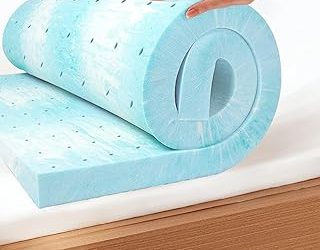
The EGOHOME pairs a green-tea-infused gel comfort layer with a high-density support core — a combination that resists heat buildup better than most budget options while maintaining consistent edge-to-edge support. Its fiberglass-free, CertiPUR-US certified build makes it a strong pick for allergy-conscious shoppers who want a medium-firm feel without the chemical off-gassing period typical of denser foams.
Amazon Basics 8-Inch Twin Memory Foam
Amazon Basics delivers a surprisingly capable sleep platform for the price, with a contouring foam layer and breathable cover that holds up adequately under single-sleeper loads. This mattress works best as a guest-room or dorm solution where consistent medium-firm support matters more than premium finishing details.
Best Price Mattress 10-Inch Queen Cooling Gel Infused
At 10 inches, this is the thickest budget option here and the most likely to support combination sleepers without bottoming out over time. The cooling gel infusion meaningfully reduces heat retention compared to standard polyurethane foams, and the certified-safe material stack makes it suitable for daily use as a primary bed.
GAESTE 6-Inch Full Cooling Memory Foam
The GAESTE’s standout feature is its machine-washable anti-slip cover — a rare inclusion at this price that directly improves hygiene and longevity by preventing the surface from degrading under body oils. For lighter sleepers on a tight budget who need ergonomic contouring, this 6-inch model punches above its price class in thoughtful construction details.
Zinus 6-Inch Full Green Tea Memory Foam
Zinus pioneered green-tea-infused foam and still executes it well — the natural antimicrobial properties of the extract genuinely reduce odor retention compared to untreated foams, a difference you’ll notice over the first year. Dual CertiPUR-US and OEKO-TEX certifications round out a package rarely found this complete at this price point.
Frequently Asked Questions
How long do inexpensive memory foam mattresses last?
A well-chosen budget memory foam mattress should provide reliable support for three to five years before noticeable body impressions develop, assuming it sits on a proper foundation and isn’t subjected to weight exceeding the manufacturer’s rating. Denser foams around 4 lb/ft³ outlast lighter alternatives by roughly 30%.
Can a 6-inch memory foam mattress provide enough support?
Yes, for sleepers under approximately 150 lbs. Above that weight, you’ll compress through the comfort layer too quickly and begin feeling the base foam — which defeats the whole point of memory foam contouring. People over 200 lbs should target 8 inches or thicker for proper spinal alignment throughout the night.
Do I need a box spring with a memory foam mattress?
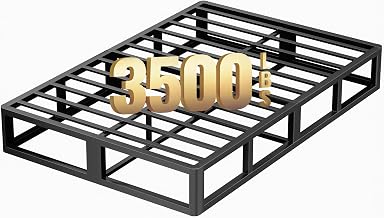
No — memory foam requires a flat, rigid or semi-rigid support surface like a platform bed, slatted base with gaps under 3 inches, or an adjustable frame. Old coil-spring box springs create uneven support points that accelerate foam degradation and typically void the manufacturer’s warranty.
What does CertiPUR-US certification actually cover?
It means the foam was independently tested and verified free from ozone depleters, heavy metals including lead and mercury, formaldehyde, phthalates under the CPSIA, and VOC emissions above 0.5 parts per million. It’s the most widely recognized voluntary safety standard for flexible polyurethane foam in residential mattresses.
Final Thoughts
For most shoppers, the Best Price Mattress 10-Inch Queen offers the strongest combination of durability, cooling performance, and long-term ergonomic support for the money. Lighter sleepers or those furnishing a secondary room will find the Zinus 6-Inch Full and EGOHOME 8-Inch Full deliver excellent value without unnecessary bulk — and both carry the certifications that matter most for indoor air quality and chemical safety.