Our Short List of 3
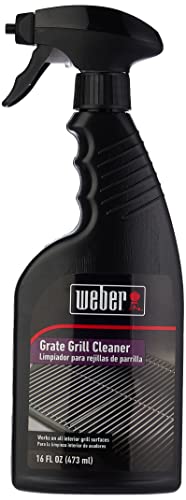
- Best for: Gas and charcoal grill owners deep-cleaning cooking grates a few times a season.
- Brand: Weber
- Model: 8027
- Size: 16 fl oz spray bottle
- Item form: Spray

- Best for: Households that want a citrus, non-toxic-positioned spray for routine grate cleaning.
- Brand: Citrusafe
- Model: CITRUSAFE – 3100002 #2
- Size: 23 fl oz spray bottle
- Item form: Liquid spray

- Best for: Owners cleaning hoods, fireboxes and drip areas where a thin spray would run off.
- Brand: Kona
- Size: 23 oz spray bottle
- Item form: No-drip gel
- Fume-free, non-toxic positioning per listing
All 5 Picks at a Glance
| Product | Specs | Action |
|---|---|---|
| Weber Grill Grate Cleaner and Degreaser |
| Check price on Amazon |
| Citrusafe BBQ Grill Grate Cleaner |
| Check price on Amazon |
| Kona Professional Grade Grill Cleaner |
| Check price on Amazon |
 Weber Exterior Grill Cleaner |
| Check price on Amazon |
 CARON & DOUCET BBQ Grill Cleaner Oil |
| Check price on Amazon |
Our Top Picks
- Weber® Exterior Grill Cleaner Spray for Cleaning Outdoor1 Count (Pack of 1)2 x 3.75 x 10.81 inchesCheck on Amazon
A grill collects three different messes, and they do not respond to the same bottle. The grates carry burnt-on food and carbon, the hood and side shelves hold a sticky film of smoke and drippings, and the exterior shows grease spots and water marks. The real decision is which of those jobs you are actually shopping for, because a spray built for cooking grates is the wrong tool for a streaky stainless lid, and an exterior shine spray will not touch carbonised food residue.
This guide serves four kinds of buyers: grate-focused cooks who deep-clean a few times a season, owners who want a low-fume or plant-based routine, stainless grill owners fighting streaks on the outside, and cast iron grate owners who want to clean and season in one step. Every pick was chosen from its Amazon listing, comparing bottle size, format, and the surfaces the listing names.
Quick Picks
As an Amazon Associate we earn from qualifying purchases
| Product | Best for | Key spec from title |
|---|---|---|
| Weber Grill Grate Cleaner and Degreaser | Burnt-on residue on cooking grates | 16 oz spray bottle, model 8027 |
| Citrusafe BBQ Grill Grate Cleaner | Citrus spray cleanups on cool grates | 23 fl oz spray bottle |
| Kona Professional Grade Grill Cleaner | Vertical surfaces where sprays run off | 23 oz no-drip gel spray |
| Weber Exterior Grill Cleaner | Streaks and water spots on the outside | Streak-free spray, model 8028 |
| CARON & DOUCET BBQ Grill Cleaner Oil | Cleaning and seasoning cast iron grates | 8 fl oz plant-based oil |
How to Choose
Start with the surface you are cleaning
Grill cleaners split first by surface, not by strength. Grate degreasers are formulated for the cooking surface itself, where burnt-on food and carbon build up, and their listings name grate materials such as porcelain-enamelled cast iron and stainless steel. Exterior cleaners are milder shine sprays for lids, doors, and side shelves, and they will disappoint anyone who points them at a carbonised grate. Oils sit in a third group: they loosen light residue and leave a seasoning layer behind. Read the surface list in the listing before ordering, and match it to the part of your grill that actually bothers you.
Pick a format that matches the mess
Thin sprays spread fast and suit flat grates and routine wipe-downs, but they run off vertical hoods and drip trays before the formula can work. Gels are the answer to that problem: a no-drip gel clings to upright surfaces and stays active while it loosens grease. Aerosol foams cling too, though the grill-specific sprays in this guide are liquids and gels rather than foams. Oils are applied with a cloth, scraper, or brush rather than sprayed, which makes them slower per session but useful when you want cleaning and surface care in the same pass.
Decide how much chemical strength you will accept
The strongest degreasers cut carbon fastest, but some buyers will not use them near food surfaces or around kids and pets. Listings signal the trade-off plainly: several picks here are positioned as non-toxic or fume-free, and one is a plant-based oil with no spray chemicals at all. None of that makes a gentle cleaner weak by default — citrus and gel formulas handle routine grease well — but a season of neglected, baked-on buildup is a heavier job than a weekly wipe. Match the formula’s positioning to the state of your grill, not to the cleanest version of it.
Check the bottle against your grill count and habits
Grill cleaners are small bottles, and sizes here run from 8 fl oz to 23 fl oz. A single kettle or two-burner grill cleaned a few times a year can live on a small bottle, while a large six-burner with a hood, side shelves, and a drip tray drinks a 16 oz spray quickly. Households with a grill plus a smoker or griddle should size up or pick the larger format, and anyone who cleans after most cooks should count the cost of refills across a season rather than the size of the first bottle.
The 5 Best Options
Weber Grill Grate Cleaner and Degreaser
- Best for: Gas and charcoal grill owners deep-cleaning cooking grates a few times a season.
- Brand: Weber
- Model: 8027
- Size: 16 fl oz spray bottle
- Item form: Spray
Gas and charcoal grill owners deep-cleaning cooking grates a few times a season.
Weber sells a separate exterior cleaner and a stainless steel polish under similar names, so confirm model 8027 on the listing before ordering.
This is the straightforward grate spray for owners whose cooking surface is the problem. The listing describes a ready-to-use spray that removes burnt-on residue from outdoor grills, and it names both porcelain-enamelled cast iron and stainless steel grates as safe surfaces, which covers most gas and charcoal grills in use. Weber also lists smokers, ovens, and microwaves among its uses, so one bottle can cover the smoker shelf as well. It is a maintenance-and-deep-clean spray rather than an exterior polish, so pair it with a brush or scraper for thick carbon.
Citrusafe BBQ Grill Grate Cleaner
- Best for: Households that want a citrus, non-toxic-positioned spray for routine grate cleaning.
- Brand: Citrusafe
- Model: CITRUSAFE – 3100002 #2
- Size: 23 fl oz spray bottle
- Item form: Liquid spray
Households that want a citrus, non-toxic-positioned spray for routine grate cleaning.
The same brand sells a 16 oz spray under a different model number, so check the bottle size and model on the listing to get the 23 fl oz version.
Citrusafe built its name on a citrus-based spray made specifically for barbecue grills, and this 23 fl oz bottle is the large format of that cleaner. The maker positions the formula as non-toxic, which makes it the pick for households that want to avoid harsh chemical sprays around a cooking surface. The listing frames it for cleaning grill grates on a cool grill, so it fits a routine where you spray, wait, and wipe after the grill has cooled from the last cook. The citrus scent is a side benefit for anyone who dislikes the smell of solvent degreasers.
Kona Professional Grade Grill Cleaner
- Best for: Owners cleaning hoods, fireboxes and drip areas where a thin spray would run off.
- Brand: Kona
- Size: 23 oz spray bottle
- Item form: No-drip gel
- Fume-free, non-toxic positioning per listing
Owners cleaning hoods, fireboxes and drip areas where a thin spray would run off.
This cleaner also appears in brush-and-spray bundle listings, so confirm you are ordering the 23 oz spray bottle on its own and that the listing shows a current offer.
Kona’s cleaner answers the most annoying problem with grill sprays: they run. This formula is a no-drip gel that clings to vertical surfaces and stays put instead of dripping off the hood or running down the grate, which gives it time to cut through thick grease and carbon buildup. The listing positions it as non-toxic and fume-free, and names stainless steel and grill grates among its surfaces, with grills, ovens, air fryers, and smokers in its stated uses. It suits owners who clean the whole firebox area, not just the cooking surface.
Weber Exterior Grill Cleaner
- Best for: Stainless and enamelled grill owners who want the outside looking new again.
- Brand: Weber
- Model: 8028
- Item form: Spray
- Streak-free formula per listing
Stainless and enamelled grill owners who want the outside looking new again.
It is an exterior-only product, so if your grates are the mess, order a grate degreaser from this list as well instead of expecting this spray to do both jobs.
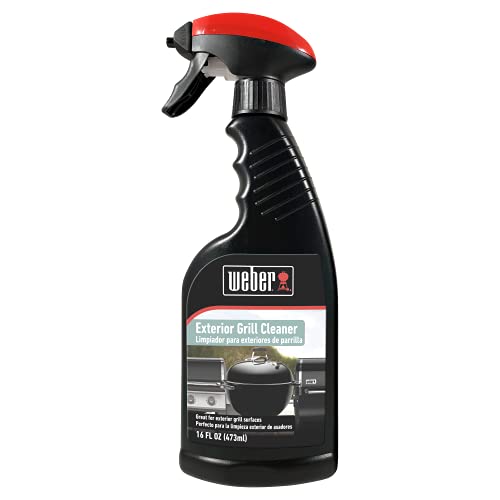
A grill can have spotless grates and still look tired, and this spray is for that problem. Weber’s exterior cleaner is a streak-free spray for the outside of the grill: it removes grease, grime, and water spots from stainless steel, painted steel, and porcelain-enamel surfaces, and it is applied to cool exterior surfaces. The listing describes a scratch-free applicator included for working the spray over the lid and side shelves. It is not a degreaser for cooking surfaces, so treat it as the finishing step alongside a grate cleaner rather than a substitute for one.
CARON & DOUCET BBQ Grill Cleaner Oil
- Best for: Cast iron grate owners who want to clean and re-season in one step.
- Brand: CARON & DOUCET
- Size: 8 fl oz bottle
- Item form: Oil
- Plant-based and vegan formula per listing
Cast iron grate owners who want to clean and re-season in one step.
Heavy, carbonised buildup needs a degreaser and scraper session first; this oil maintains grates rather than stripping them.
This pick works differently from every spray above: it is a plant-based oil that cleans grates and leaves a seasoning layer behind. The listing describes it for cleaning barbecue grills and grates, used with wooden scrapers, brushes, and other grill tools, which makes it a natural fit for cast iron grates that benefit from oil after cleaning. The 8 fl oz bottle is small, but oil goes on by the cloth-load rather than by the spray, so a bottle covers many sessions. It is a maintenance product, not a rescue degreaser for a season of carbon.
Which One Fits Your Situation
Your grates are caked with burnt-on food
Start with the Weber grate cleaner if your grates are porcelain-enamelled or stainless, since its listing names both materials directly. For a hood and firebox coated in the same grease, the Kona gel earns its place because it stays where you spray it instead of running to the bottom of the grill.
You want to avoid harsh fumes and chemicals
The Citrusafe spray and the CARON & DOUCET oil are the two low-chemical routes here: a citrus formula positioned as non-toxic, and a plant-based oil with no spray propellants at all. The Kona gel also carries a fume-free positioning if you need gel cling without the solvent smell.
Your stainless grill looks streaky outside
Reach for the Weber exterior cleaner, which is built for lids, doors, and side shelves rather than cooking surfaces. Work it over cool panels with the included applicator approach from the listing, and keep your grate cleaner for the inside so each product does the job its surface list describes.
You cook on cast iron grates
Make the CARON & DOUCET oil your regular step after cooks, since it cleans light residue and renews the seasoning layer cast iron needs. Keep the Weber grate spray in reserve for the few times a year the buildup outgrows what oil and a scraper can lift.
Common Mistakes
- Spraying a grill cleaner onto hot grates, when the listings for these products describe use on cool surfaces.
- Pointing an exterior shine spray at cooking grates and expecting it to dissolve burnt-on food.
- Wiping a gel or spray off the moment it lands, before the formula has time to loosen grease.
- Cleaning the grates and hood while skipping the drip tray, where old grease collects and feeds flare-ups.
- Layering two different degreasers in the same session instead of finishing one product and rinsing before trying another.
Frequently Asked Questions
Can I use a grill cleaner while the grill is still hot?
The listings behind these picks describe cleaning cool surfaces, and the exterior spray states that plainly. A hot grate also flashes liquid to steam on contact, which shortens the formula’s working time and makes the job harder to control. Let the grill cool, then spray, wait, and wipe or scrape.
Is oven cleaner the same thing as grill cleaner?
There is overlap, and some products are sold for both jobs, but the surface lists differ. Oven cleaners are framed around enamel oven cavities, while grill cleaners name grate materials, hoods, and exterior finishes, and several are positioned as non-toxic for outdoor cooking gear. Check the stated surfaces on whichever bottle you buy.
How often should I clean my grill grates?
A light spray-and-wipe after messy cooks keeps residue from carbonising, and a fuller degrease a few times a season handles what builds up between sessions. Grills used weekly in summer need the deep clean more often than occasional grills, and cast iron grates benefit from an oil pass after each thorough clean.
Are plant-based grill cleaners strong enough for burnt-on grease?
They are strong enough for routine grease and light residue, and the oil format adds a seasoning benefit sprays do not offer. Thick, carbonised layers built up over a season are a different job: loosen those with a degreaser spray or gel and a scraper first, then use the oil to maintain the grates afterwards.
More from Amazon
Programs that pair well with the guide above. Offers and eligibility are set by Amazon and may change.
Collect the home and kitchen items you want in one registry that guests can shop from.
Create a wedding registrySet up recurring deliveries of everyday items on eligible products. Terms and savings are set by Amazon.
Explore Subscribe & SaveFree shipping on eligible items, Prime Video and more. Eligible new members can start with a free trial.
Start a Prime free trialAudiobooks and podcasts to listen to on the go. Eligible new members can start with a free trial.
Try Audible freeAs an Amazon Associate we earn from qualifying purchases.