Key takeaways
- Pro: Practical layout lies flat for easy workbench reference.
- Pro: Accessible, straightforward advice tailored specifically to edible crops.
- Con: Focuses predominantly on vegetables rather than ornamental flowers or landscaping.
Choosing the right gardening book comes down to matching your plot size, skill level, and outdoor goals rather than buying a broad overview. Novice growers often get overwhelmed by academic texts that skip practical fundamentals like soil preparation, while experienced gardeners struggle to find manuals offering fresh structural ideas or detailed crop rotation schedules. Sorting through publisher specifications and aggregated owner feedback reveals that the most valuable guides balance step-by-step instructions with clear, durable formatting for actual yard work.
To establish this comparative ranking, we cross-referenced published specifications, reader consensus, layout readability, and retail pricing across popular outdoor titles. A great gardening manual must serve as a reliable reference that withstands practical seasonal use in the yard or potting shed. Evaluating overall utility and user satisfaction helps pinpoint the best gardening books in 2026 for cultivating a successful garden.
Our top picks


As an Amazon Associate we earn from qualifying purchases at no extra cost to you.
Quick Picks
| Product | Best for | Price |
|---|---|---|
| The Old Farmer’s Almanac Vegetable Gardener’s Handbook | Overall Vegetable Gardening | $12.48 |
| Martha Stewart’s Gardening Handbook | Garden Design & Aesthetics | $21.17 |
| The Complete Gardener’s Guide | Step-by-Step Visual Learning | $18.78 |
| Rosemary Gladstar’s Medicinal Herbs: A Beginner’s Guide | Herbal & Culinary Beginners | $9.77 |
| Forgotten Home Apothecary | Advanced Herbal Remedies | $37 |
| The Art of Raised Bed and Container Gardening for Beginners | Small Space & Urban Yards | $15.99 |
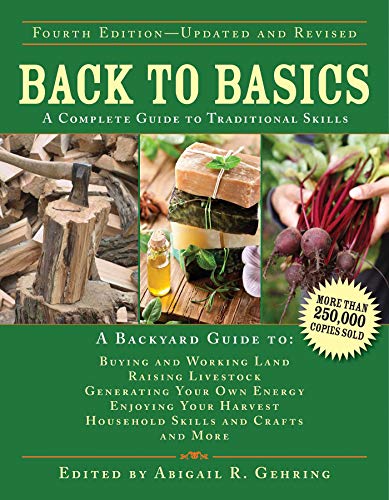
| Back to Basics: A Complete Guide to Traditional Skills | Traditional Homesteading Skills | $21.6 |
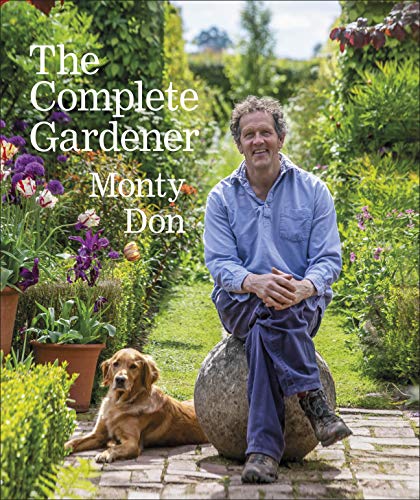
| The Complete Gardener | Sustainable & Organic Gardening | $19.35 |
How We Picked
Evaluating gardening literature requires looking past attractive cover photography to analyze how effectively information is structured for hands-on use. We assessed candidates across four core criteria: practical actionability (clarity of step-by-step steps), layout readability (use of diagrams, charts, and index organization), subject scope (focused vs. broad coverage), and overall value relative to retail price based on aggregated reader feedback. Books relying on vague advice without concrete steps were eliminated in favor of titles that serve as dependable, multi-season reference manuals.
The 8 Best Gardening Books in 2026
The Old Farmer’s Almanac Vegetable Gardener’s Handbook
Designed for food growers who want dependable harvest results, this manual provides clear guidance on soil preparation, pest management, and crop timing. Owner feedback highlights its practical spiral-bound presentation that lies flat on outdoor workbenches, making it easy to read while working dirty-handed. At $12.48, it offers an exceptionally high return on investment for beginner and intermediate vegetable growers alike.
- Pro: Practical layout lies flat for easy workbench reference.
- Pro: Accessible, straightforward advice tailored specifically to edible crops.
- Con: Focuses predominantly on vegetables rather than ornamental flowers or landscaping.
Skip this title if your primary goal is designing decorative flower borders or multi-tier ornamental landscape features.
Martha Stewart’s Gardening Handbook
Tailored for homeowners who prioritize visual elegance alongside practical horticulture, this volume covers structural design, planting arrangements, and seasonal maintenance. Reader reports praise its elevated layout and thorough aesthetic direction for both floral displays and edible plots. At $21.17, it blends aspirational garden design with actionable planting wisdom for readers creating cohesive outdoor living spaces.
- Pro: Comprehensive coverage of ornamental garden layout and aesthetics.
- Pro: High-quality visual inspiration and structured structural planning tips.
- Con: Can feel overly ambitious for small-space container gardeners.
Skip this option if you only have a small balcony setup and need simple, low-effort container instructions.
The Complete Gardener’s Guide
Aimed at visual learners who want step-by-step guidance, this reference book utilizes clear photo illustrations, seasonal task checklists, and comprehensive plant profiles to simplify yard care. Reader feedback frequently notes how easy it is to reference quickly before starting a weekend backyard project. Offered at $18.78, it balances thorough advice with user-friendly formatting across multiple plant types.
- Pro: Outstanding visual diagrams detailing sowing, pruning, and planting steps.
- Pro: Broad coverage spanning flowers, shrubs, and seasonal edibles.
- Con: May feel slightly generalized for growers seeking deep expertise on niche plant species.
Skip this guide if you are an advanced gardener looking for specialized research on specific plant cultivars.
Rosemary Gladstar’s Medicinal Herbs: A Beginner’s Guide
Ideal for beginners curious about cultivating functional plants, this book focuses on 33 common healing herbs that easily grow in backyard plots or containers. Readers appreciate the clear growing profiles combined with practical harvest instructions and simple home recipe ideas. Priced at $9.77, it provides an unbeatable entry point into utility-focused gardening without overwhelming complex terminology.
- Pro: Exceptionally affordable guide focused on practical medicinal herbs.
- Pro: Clear instructions on growing, harvesting, and using plants safely.
- Con: Narrow focus limited strictly to specific herbal species.
Skip this title if you need a general overview on growing standard garden vegetables or general lawn maintenance.
Forgotten Home Apothecary
Targeted at homesteaders and herbal enthusiasts seeking an expansive compilation of natural plant usages, this comprehensive reference catalog details 250 traditional formulations. Buyer feedback emphasizes the massive volume of actionable recipes and detailed plant identification notes contained within its pages. Available at $37, it represents a premium reference investment for dedicated herbal enthusiasts looking to expand self-sufficiency.
- Pro: Unmatched scope covering 250 distinct natural formulations.
- Pro: Deep reference material for long-term self-sufficiency projects.
- Con: Higher price tag compared to standard introductory gardening manuals.
Skip this book if you are a novice gardener simply seeking basic tips on starting your first tomato patch.
The Art of Raised Bed and Container Gardening for Beginners
Perfect for urban dwellers and suburban homeowners dealing with compact yards or poor natural soil, this text concentrates entirely on controlled-environment planting. Reader reviews emphasize its budget-friendly advice on building raised frames, selecting soil blends, and maximizing yield in limited space. Priced at $15.99, it solves modern space constraints effectively for patio and container growers.
- Pro: Specialized instructions for low-maintenance container and raised bed setups.
- Pro: Great budget-saving advice for small urban plots and patios.
- Con: Minimal instruction on large-scale in-ground farming or orchard management.
Skip this choice if you have extensive in-ground acreage and require guidance on broad-acre soil cultivation.
Back to Basics: A Complete Guide to Traditional Skills
Written for self-reliance enthusiasts and traditional homesteaders, this classic guide contextualizes gardening within broader off-grid skills like shelter building, food preservation, and craft work. Owner consensus praises its nostalgic artwork and broad historical approach to sustainable living. Priced at $21.6, it offers wide-ranging utility beyond basic soil cultivation for comprehensive self-reliance projects.
- Pro: Expansive coverage of traditional self-sufficiency skills alongside gardening.
- Pro: Engaging visual charts and timeless instructional diagrams.
- Con: Less granular detail on modern organic pest control techniques.
Skip this option if you want a dedicated, lightweight manual strictly focused on modern suburban vegetable planting.
The Complete Gardener
Designed for eco-conscious gardeners wanting an all-encompassing, practical reference, this manual details organic growing methods, soil stewardship, and seasonal yard design. Reader reviews praise the author’s sensible approach to working alongside nature without relying on harsh chemical controls. Available for $19.35, it serves as a robust lifelong handbook for sustainable gardening projects.
- Pro: Deep emphasis on organic techniques and eco-friendly soil health.
- Pro: Thorough step-by-step guidance for every gardening season.
- Con: Dense text formatting requires deliberate reading rather than quick skimming.
Skip this book if you want a fast, image-heavy primer with short summaries instead of detailed narrative explanations.
Buying Guide
Focus Area: Vegetables, Aesthetics, or Herbalism
Before purchasing, determine whether your primary goal is producing fresh food, designing decorative flower beds, or growing functional herbs. Books tailored strictly to edible vegetable production prioritize soil chemistry, sunlight hours, and seasonal yields. Design-focused manuals emphasize plant heights, color palettes, and architectural layout, whereas herbal guides center on harvesting techniques and processing steps. Selecting a book matched to your specific garden goal prevents wasted reading time.
Format and Workbench Usability
Consider where you plan to read and use the book. If you intend to take your guide directly into the yard or greenhouse, look for physical features like lay-flat spiral bindings, durable covers, and clear graphic illustrations. Books with dense paragraphs and fine print work well for cozy armchair planning, but step-by-step projects benefit greatly from high-contrast diagrams, clear task lists, and quick-reference indexes that can be scanned rapidly while working outdoors.
Skill Alignment and Depth
Gardening manuals range from high-level introductory primers to exhaustive reference compendiums. Beginners usually thrive with books that explain basic soil preparation, watering schedules, and common pest identification without getting bogged down in scientific jargon. Intermediate and advanced gardeners will benefit more from comprehensive references detailing crop rotation schedules, organic soil amendments, and specialized propagation techniques.
Our Verdict
For most home growers, The Old Farmer’s Almanac Vegetable Gardener’s Handbook ($12.48) earns our top pick due to its practical lay-flat spiral design and straightforward, actionable advice on growing food. If you are on a tight budget or want to explore functional plants, Rosemary Gladstar’s Medicinal Herbs: A Beginner’s Guide ($9.77) serves as the ultimate budget pick. However, if space is limited or your yard lacks quality natural dirt, The Art of Raised Bed and Container Gardening for Beginners ($15.99) is the better alternative for building productive small-footprint planter boxes.
FAQ
Are general gardening books better than specialized manuals?
General gardening manuals offer excellent broad foundation knowledge across flowers, shrubs, and vegetables for beginners. However, specialized titles provide far deeper actionable detail if you are focused on specific projects like raised beds, medicinal herbs, or food production.
Do physical gardening books hold up better than digital editions?
Physical books, particularly spiral-bound options, are generally superior for hands-on use outdoors. They allow quick page flipping with dirty hands and stay open on workbenches without digital screens timing out or incurring glare under direct sunlight.
Can beginner gardening books remain useful as skills improve?
Yes, well-structured beginner books often contain reference charts, planting depth keys, and frost-date tables that remain useful year after year. High-quality introductory texts continue serving as handy seasonal reminders even for experienced growers.
How important are regional planting schedules in gardening manuals?
While general manuals provide foundational plant science and care principles, local timing varies by climate zone. Look for books that explain how to adjust timelines based on your specific regional frost dates and microclimates.