Key takeaways
- Installation depth: Confirm the rough-opening dimensions and stud requirements before ordering. Ultra-thin designs can work well in existing rooms, while recessed models demand more careful framing and electrical planning.
- Heat control: Look for separate flame and heater controls, adjustable thermostats, and 750/1500-watt settings. A fireplace that can display flames without producing heat is more comfortable throughout the year.
- Controls and access: A remote is convenient, but a clearly labeled touch panel or physical control is valuable when the remote is misplaced. Timer and sleep settings also reduce unnecessary overnight operation.
- Noise and airflow: Fan noise is especially noticeable in bedrooms, offices, and quiet living rooms. Models advertising low-noise operation are preferable, but keep realistic expectations: any active heater may produce some airflow sound.
- Flame-bed maintenance: Acrylic crystals and log sets create different visual effects, yet both benefit from a clean viewing surface. Choose a design with accessible glass and avoid blocking intake or exhaust openings.
What's inside
Choosing an electric linear fireplace is less about finding the widest flame display and more about avoiding installation, noise, and heat-management problems later. Thin housings can simplify a remodel, but stud depth, ventilation, control placement, and heater clearance still determine whether the finished unit feels integrated or merely attached to the wall.
This guide evaluates six popular models from an ergonomics-and-durability perspective, focusing on practical fit, control usability, operating noise, heating flexibility, and long-term maintenance. The recommendations prioritize fireplaces that are easy to live with—not just impressive in a product photograph.
As an Amazon Associate we earn from qualifying purchases.




How to Choose an Electric Linear Fireplace (2026)
- Installation depth: Confirm the rough-opening dimensions and stud requirements before ordering. Ultra-thin designs can work well in existing rooms, while recessed models demand more careful framing and electrical planning.
- Heat control: Look for separate flame and heater controls, adjustable thermostats, and 750/1500-watt settings. A fireplace that can display flames without producing heat is more comfortable throughout the year.
- Controls and access: A remote is convenient, but a clearly labeled touch panel or physical control is valuable when the remote is misplaced. Timer and sleep settings also reduce unnecessary overnight operation.
- Noise and airflow: Fan noise is especially noticeable in bedrooms, offices, and quiet living rooms. Models advertising low-noise operation are preferable, but keep realistic expectations: any active heater may produce some airflow sound.
- Flame-bed maintenance: Acrylic crystals and log sets create different visual effects, yet both benefit from a clean viewing surface. Choose a design with accessible glass and avoid blocking intake or exhaust openings.
The Best Electric Linear Fireplaces (2026) Reviewed
72-Inch Ultra-Thin Silence Linear Fireplace
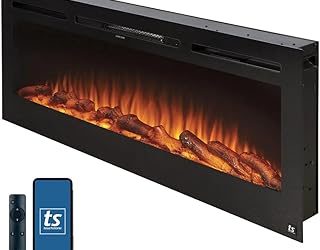
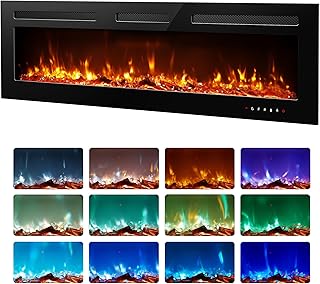
This recessed or wall-mounted 72-inch model is a strong fit for wide feature walls where a restrained bezel matters. Its compatibility with both 2×4 and 2×6 framing improves remodeling flexibility, while adjustable flame color and speed let users reduce visual motion in rooms where a constantly active display feels distracting. The 750/1500-watt heater, timer, and remote provide useful everyday control, though buyers should verify wiring and clearances before building the opening.
Dimplex IgniteXL 60-Inch
The Dimplex IgniteXL XLF60 is the most design-focused option in this group, with eight color themes and an acrylic ember bed intended to create a cleaner, more convincing glow. Its 120/240-volt configuration and multiple power ratings offer installation flexibility, but the electrical specification deserves careful attention: professional planning is particularly important if using the higher-output setup. This is a sensible choice for homeowners who value refined presentation and established-brand construction.
PuraFlame Bernice 42-Inch Smart Fireplace
The Bernice is notably versatile for smaller rooms because it can be recessed, wall-mounted, or used freestanding. Its hidden-vent design keeps the front visually tidy, and Alexa and Google Assistant compatibility can make temperature or flame adjustments easier for users with limited reach or mobility. The shorter 42-inch format is less imposing than a six-foot fireplace, making it better suited to bedrooms, apartments, and compact media walls.
EUHOMY 60-Inch Electric Fireplace
EUHOMY’s 60-inch 2026 upgrade balances a broad display with practical features, including remote control, timer functions, adjustable flame color, and both log and crystal media. That interchangeable presentation helps the unit adapt to traditional or contemporary interiors. From a durability standpoint, install the fireplace where furniture and curtains cannot restrict airflow, and treat the decorative media as a visual accessory rather than a surface for storage.
Vitesse 72-Inch Ultra-Thin Fireplace
The Vitesse 72-inch model suits long walls and minimalist installations, with a narrow bezel that keeps attention on the flame rather than the enclosure. Remote and screen controls, an eight-hour sleep timer, and low-noise positioning make it appealing for living rooms or bedrooms. Its 750/1500-watt heating range is appropriate for supplemental warmth, but it should not be considered a replacement for a home’s primary heating system.
Frequently Asked Questions
Can an electric linear fireplace heat an entire room?
Usually, it is best viewed as supplemental heat. A 1500-watt setting can make a noticeable difference in a suitably sized, reasonably insulated room, but performance depends on ceiling height, drafts, insulation, and the home’s existing heating system.
Is recessed installation better than wall mounting?
Recessing creates the cleanest built-in appearance and protects the unit from accidental bumps, but it requires accurate framing and electrical preparation. Wall mounting is generally faster and more reversible, making it practical for renters or homeowners who do not want to open a finished wall.
Can the flame operate without heat?
Most modern linear electric fireplaces provide flame-only operation. This is one of their main ergonomic advantages: you can keep the room’s visual focal point active in warm weather without adding unwanted heat.
Do electric fireplaces require a chimney or gas line?
No. They do not produce combustion gases, ash, or smoke, so a chimney and gas connection are unnecessary. They still need a suitable electrical supply, adequate clearance, and unobstructed ventilation according to the manufacturer’s installation instructions.
Final Thoughts
For a wide, low-profile installation, the 72-inch Ultra-Thin Silence and Vitesse are compelling starting points; the Dimplex IgniteXL is the stronger premium design choice; and the PuraFlame Bernice is the most adaptable for smaller rooms and smart-home control. Whichever model you choose, prioritize correct framing, reachable controls, quiet operation, and serviceable access over maximum flame width alone.