Key takeaways
- Target medium-firm, not firm: Side sleepers with hip pain generally do best in the 5.5 to 6.5 range on the ten-point firmness scale. You want the shoulder and hip to sink about an inch further than the ribs and waist so the spine stays level from the top down. A true firm surface only works if you have broad, well-padded hips or split your night between side and back positions.
- Insist on zoned support: A 5- or 7-zone coil layout softens the shoulder and hip bands while stiffening the lumbar band. This is the most reliable structural fix for pain that comes from spinal misalignment rather than pressure alone, and it does more for hip comfort than adding foam thickness.
- Read the comfort layer, not the total height: A 14-inch bed with only 1.5 inches of contouring foam behaves like a firm bed. Look for at least 2.5 to 3 inches of memory foam or latex-like foam above the springs so your shoulder has somewhere to go.
- Judge durability by density and coil gauge: Memory foam under about 3.0 lb/ft³ tends to develop body impressions within two to three years, and impressions are where hip pain restarts. Individually pocketed coils in the 13 to 15 gauge range with reinforced perimeter rows resist the edge collapse that makes getting in and out painful.
- Manage heat and motion honestly: Deep contouring traps warmth, so gel infusions, copper or graphene layers, and breathable covers matter more for side sleepers than for anyone else. If you share the bed, pocketed coils plus a foam top will isolate a partner’s movement far better than a connected innerspring.
What's inside
Side sleeping loads the body unevenly. Roughly 60 to 70 percent of your mass concentrates over two narrow contact zones — the shoulder girdle and the greater trochanter of the hip — while the lumbar curve floats in between. When a mattress is too firm, those bony landmarks can’t sink, the pelvis tilts, and the lower back is forced into a lateral bend that you’ll feel by 4 a.m. Too soft, and the hip drops past neutral while the waist gets no fill, which strains the SI joint and the outer hip. Either failure produces the same complaint: waking stiff, sore, and shifting positions all night.
This guide evaluates queen mattresses through an ergonomics and durability lens rather than a marketing one. I looked at zoned support geometry, comfort-layer thickness relative to shoulder drop-in depth, coil count and gauge, foam density (the single best predictor of whether a bed still supports you in year five), edge stability, and cover stretch. Every pick below pairs a contouring top section with a genuinely supportive base, and each offers a long enough home trial that you can judge it across a full seasonal cycle instead of one nervous week.
As an Amazon Associate we earn from qualifying purchases.


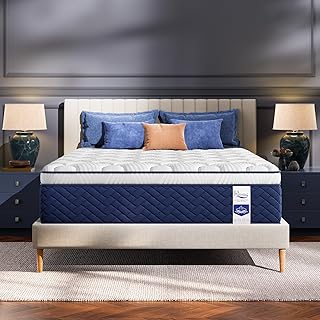


How to Choose a Mattress For Side Sleepers With Back And Hip Pain (2026)
- Target medium-firm, not firm: Side sleepers with hip pain generally do best in the 5.5 to 6.5 range on the ten-point firmness scale. You want the shoulder and hip to sink about an inch further than the ribs and waist so the spine stays level from the top down. A true firm surface only works if you have broad, well-padded hips or split your night between side and back positions.
- Insist on zoned support: A 5- or 7-zone coil layout softens the shoulder and hip bands while stiffening the lumbar band. This is the most reliable structural fix for pain that comes from spinal misalignment rather than pressure alone, and it does more for hip comfort than adding foam thickness.
- Read the comfort layer, not the total height: A 14-inch bed with only 1.5 inches of contouring foam behaves like a firm bed. Look for at least 2.5 to 3 inches of memory foam or latex-like foam above the springs so your shoulder has somewhere to go.
- Judge durability by density and coil gauge: Memory foam under about 3.0 lb/ft³ tends to develop body impressions within two to three years, and impressions are where hip pain restarts. Individually pocketed coils in the 13 to 15 gauge range with reinforced perimeter rows resist the edge collapse that makes getting in and out painful.
- Manage heat and motion honestly: Deep contouring traps warmth, so gel infusions, copper or graphene layers, and breathable covers matter more for side sleepers than for anyone else. If you share the bed, pocketed coils plus a foam top will isolate a partner’s movement far better than a connected innerspring.
The Best Mattress For Side Sleepers With Back And Hip Pain (2026)s Reviewed
Firm 12-Inch Queen Hybrid with Lumbar and Hip Support
The most supportive option here, built for heavier side sleepers and combination sleepers whose hips currently bottom out on a worn bed. Its reinforced lumbar and hip zoning holds the pelvis level, though lighter-framed sleepers under about 130 pounds may want a soft topper to open up shoulder clearance.
Sleepmax 14-Inch Queen Hybrid
A well-balanced deep hybrid: enough comfort-layer depth to let the shoulder settle, with pocketed coils underneath that keep the waist from sagging. The cooling construction and CertiPUR-US, fiberglass-free build make it an easy recommendation for warm sleepers who need contouring without the heat penalty.
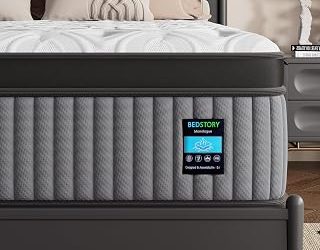
14-Inch Medium Firm Queen Hybrid with Pocket Springs and Cooling Gel
This one sits close to the ergonomic sweet spot for side sleeping — gel-infused contouring over pocketed springs that reward the lumbar curve without propping it. Motion transfer is minimal, which matters if a partner’s turning currently wakes you into a bad position.
Hotel Collection 14-Inch Medium Firm 7-Zone Hybrid
The 7-zone coil array is the standout feature: distinct softer bands under the shoulder and hip with a firmer mid-section, which is exactly the geometry that resolves alignment-driven back pain. A strong pick if your discomfort is centered in the lower back rather than the hip joint itself.
EGOHOME 14-Inch Queen Memory Foam
The all-foam choice, with copper-gel infusion and a graphene-cool-tech cover to offset the heat that deep foam usually retains. Its slow, even pressure distribution is excellent for concentrated hip and shoulder soreness, and the medium-firm feel keeps the pelvis from over-sinking.
Frequently Asked Questions
Is a firm or medium-firm mattress better for hip pain?
Medium-firm, in most cases. Clinical sleep research consistently favors medium-firm surfaces for chronic low back pain, and side sleepers specifically need the hip to sink slightly rather than be blocked. Choose firm only if you’re above roughly 230 pounds or you also sleep substantially on your back.
Hybrid or memory foam for side sleepers?
Hybrids usually win because pocketed coils supply zoned pushback under the lumbar region while still allowing shoulder drop-in. All-foam beds like the EGOHOME excel at raw pressure relief and motion isolation, so they suit lighter sleepers and light sleepers who share a bed.
How long before my back and hips actually feel better?
Give it three to four weeks. Your body has adapted to your old sleeping surface, and a temporary uptick in stiffness during the first week or two is normal as your muscles recalibrate. This is precisely why the 365-night trials on these models are worth using.
Will a mattress topper fix my current bed instead?
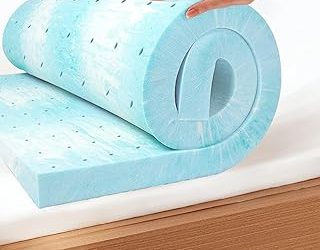
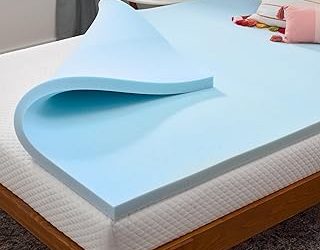
A topper can add contouring, but it cannot restore support. If your mattress shows visible sagging or you feel the coils, the base has failed and a topper will simply place soft material over a dip — often worsening hip pain rather than easing it.
Final Thoughts
For most side sleepers dealing with combined back and hip pain, the Hotel Collection 14-Inch 7-Zone Hybrid is the smartest structural buy, since its zoned coils address alignment at the source. The Sleepmax 14-Inch Hybrid is the strongest all-round value for warm sleepers who want depth without overheating, and the EGOHOME 14-Inch Memory Foam is the pick if your pain is sharply localized in the hip and shoulder and you want maximum pressure dispersion. Whichever you choose, commit to the full trial window and reassess after a month.