Key takeaways
- Match the carrier to your timeline: Oil-based stains give you a longer open time, which matters enormously on a wide tabletop where a lap mark from drying too fast is impossible to hide. Water-based stains dry in under an hour and recoat quickly, but demand you work in sections and keep a wet edge.
- Plan the topcoat before the color: A dining surface needs real film thickness over the stain. Decide whether you want one-coat thick polyurethane or three thin coats of a water-based clear, and confirm compatibility with your stain’s carrier before you open a single can.
- Consider skin contact, not just looks: Forearms and wrists spend hours on the front six inches of a table. Semi-gloss and satin films sanded lightly between coats feel noticeably smoother and show far fewer smudges than high-gloss on that contact strip.
- Use gel stain on vertical and turned parts: Legs, pedestals, aprons, and chair spindles bleed and streak with thin liquid stain. A thick gel formula stays put and delivers even color without running into puddles at the floor.
- Budget for coverage and repairability: A standard six-seat table plus leaf is roughly 40 to 60 square feet, but you want enough product left over for future touch-ups. Buying a quart rather than a sample tin means your repair color actually matches in three years.
What's inside
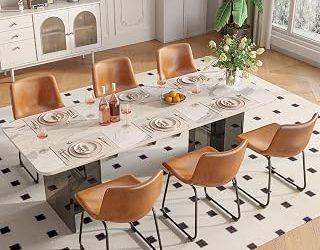
A dining table lives a harder life than almost any other surface in a home. It absorbs the drag of ceramic plates, the sweat ring from a cold glass, the citrus splash from a salad dressing, and the constant slide of forearms across its front edge three times a day. Most people shopping for stain focus entirely on color, then discover six months later that the finish above the stain has clouded where hands rest, or that the grain has raised into a texture that catches on sleeves. Color is the easy part. What determines whether your table still looks intentional in year five is how the stain interacts with the topcoat, how evenly it penetrates on the wide flat field of a tabletop, and how forgiving it is when you inevitably need to spot-repair a scuff.
This guide evaluates stains and clear finishes through a durability and contact-comfort lens: how each product behaves on horizontal high-wear surfaces, how much film build it supports, whether the cured result feels smooth against skin rather than tacky or plasticky, and how practical each one is for someone refinishing a table in a garage or dining room rather than a spray booth. I have grouped penetrating stains, gel stains for spindles and pedestals, and the protective clears that do the actual heavy lifting, because on a dining table the stain and topcoat are a system, not separate purchases.
As an Amazon Associate we earn from qualifying purchases.


How to Choose a Stain For Dining Room Table (2026)
- Match the carrier to your timeline: Oil-based stains give you a longer open time, which matters enormously on a wide tabletop where a lap mark from drying too fast is impossible to hide. Water-based stains dry in under an hour and recoat quickly, but demand you work in sections and keep a wet edge.
- Plan the topcoat before the color: A dining surface needs real film thickness over the stain. Decide whether you want one-coat thick polyurethane or three thin coats of a water-based clear, and confirm compatibility with your stain’s carrier before you open a single can.
- Consider skin contact, not just looks: Forearms and wrists spend hours on the front six inches of a table. Semi-gloss and satin films sanded lightly between coats feel noticeably smoother and show far fewer smudges than high-gloss on that contact strip.
- Use gel stain on vertical and turned parts: Legs, pedestals, aprons, and chair spindles bleed and streak with thin liquid stain. A thick gel formula stays put and delivers even color without running into puddles at the floor.
- Budget for coverage and repairability: A standard six-seat table plus leaf is roughly 40 to 60 square feet, but you want enough product left over for future touch-ups. Buying a quart rather than a sample tin means your repair color actually matches in three years.
The Best Stain For Dining Room Table (2026)s Reviewed
Varathane Premium Fast Dry Aged Wheat Wood Stain
This oil-based stain is my default recommendation for full tabletops because it delivers usable color in a single pass while still giving you enough working time to wipe back evenly across a wide surface. Aged Wheat is a restrained, warm neutral that reads modern rather than orange, and at 275 square feet per quart you have plenty in reserve for the leaf and future repairs.
Varathane Triple Thick Polyurethane Gloss
The strongest durability play here: a self-leveling formula that builds the film of roughly three conventional coats in one application, which is exactly what a plate-scraping, glass-ringing surface needs. The gloss sheen shows fingerprints more than satin, so scuff-sand and consider it primarily for tables that see placemats or a runner.
Varathane Water-Based Ultimate Semi-Gloss Polyurethane
My pick for indoor refinishing where odor and cure time matter, and the semi-gloss sheen is the sweet spot for forearm comfort and low smudge visibility. It stays crystal clear over light woods instead of ambering, and the fast dry lets you get three coats down in a single day.
Furniture Clinic Wood Stain in Dark Oak
A water-based stain with genuinely rich pigment load, which makes it a strong option for darkening an existing oak or ash table without an oil-based smell lingering through the house. Work in manageable sections and keep a damp cloth handy, since the fast dry time punishes hesitation on large panels.
Varathane Total Control Smoke Gray Gel Stain
Gel stain exists for exactly the parts of a table that liquid stain ruins: turned legs, carved aprons, and pedestal bases. The thick, low-odor water-based body clings to vertical surfaces without running, and Smoke Gray is a useful way to cool down a base that clashes with a warmer top.
Frequently Asked Questions
Do I really need a topcoat over stain on a dining table?
Yes, without exception. Stain is pigment or dye sitting in the wood fibers with essentially no abrasion resistance, so bare stained wood will wear through at elbow and plate contact points within months. The clear film is your actual protection.
How many coats of polyurethane should a dining table get?
Three thin coats is the practical minimum for a thin-bodied water-based clear, with a light 320-grit scuff between coats. If you use a triple-thick self-leveling formula, one heavy coat plus a second on the tabletop itself is sensible insurance.
Can I mix a water-based stain with an oil-based polyurethane?
Usually yes, provided the stain is fully dry, but the reverse pairing is riskier and always deserves a test on scrap. Staying within one manufacturer’s system removes the guesswork entirely.
How long before I can actually eat at the table?
Most finishes are dry to touch within hours, but full cure and chemical hardness take longer, often a week or more. Avoid placemats, tablecloths, and heavy objects until the film has hardened, or you will emboss the pattern permanently into the surface.
Final Thoughts
For most dining tables, the combination that balances durability, comfort, and forgiving application is Varathane Premium Fast Dry in Aged Wheat for color followed by Varathane Water-Based Ultimate in semi-gloss for protection, with the Total Control Smoke Gray gel stain handling legs and pedestals where liquid stain would streak. If you want maximum film build with the fewest passes, substitute the Triple Thick Polyurethane on the tabletop and accept a bit more fingerprint visibility in exchange for serious abrasion resistance.