Key takeaways
- Water-based vs. oil-based: Water-based formulas stay crystal clear and cure with minimal odor, which matters when the table sits in an open-plan living space. Oil-based versions add a warm amber cast and tend to build a slightly tougher film per coat, but they yellow over years and take far longer to become fully serviceable.
- Sheen and glare: Gloss shows every micro-scratch and bounces pendant light straight into your eyes at seated height. Satin diffuses that light and hides wear far more forgivingly, which is why it dominates dining installs.
- Film thickness strategy: Three thin coats beat one thick one for abrasion resistance and edge coverage. Self-leveling high-build products are the exception, and they demand a dead-level surface to behave.
- Cure time vs. dry time: Dry-to-touch is not ready-for-dinner. Plan on a week before hot plates, and longer before anything sits on the surface unmoved.
- Coverage math: A standard six-seater tabletop plus apron runs roughly 20–25 square feet per coat. Buy a quart minimum; half-pints and sample sizes are for repairs, not full builds.
What's inside
A dining table takes a kind of abuse most furniture never sees: forearms pressing into the same two square feet three times a day, plates dragged rather than lifted, chair backs knocking the edge, and the slow chemical drip of vinaigrette, condensation rings, and hand lotion. From an ergonomics standpoint, that contact zone matters as much as the wood underneath it. A finish that feels tacky in humidity, or one that turns chalky where skin oils sit, changes how people actually use the table. Most buyers don’t discover this until month four, when the sheen has worn into a dull halo around each seat.
This guide looks at polyurethane through two lenses at once: how the cured film holds up to mechanical and chemical stress, and how it feels and looks under real dining conditions. Below you’ll find the finishes worth considering in 2026, a short checklist for matching product to project, plainspoken reviews, and answers to the questions that trip people up mid-job.
As an Amazon Associate we earn from qualifying purchases.


How to Choose a Polyurethane For Dining Room Table (2026)
- Water-based vs. oil-based: Water-based formulas stay crystal clear and cure with minimal odor, which matters when the table sits in an open-plan living space. Oil-based versions add a warm amber cast and tend to build a slightly tougher film per coat, but they yellow over years and take far longer to become fully serviceable.
- Sheen and glare: Gloss shows every micro-scratch and bounces pendant light straight into your eyes at seated height. Satin diffuses that light and hides wear far more forgivingly, which is why it dominates dining installs.
- Film thickness strategy: Three thin coats beat one thick one for abrasion resistance and edge coverage. Self-leveling high-build products are the exception, and they demand a dead-level surface to behave.
- Cure time vs. dry time: Dry-to-touch is not ready-for-dinner. Plan on a week before hot plates, and longer before anything sits on the surface unmoved.
- Coverage math: A standard six-seater tabletop plus apron runs roughly 20–25 square feet per coat. Buy a quart minimum; half-pints and sample sizes are for repairs, not full builds.
The Best Polyurethanes for Dining Tables (2026), Reviewed
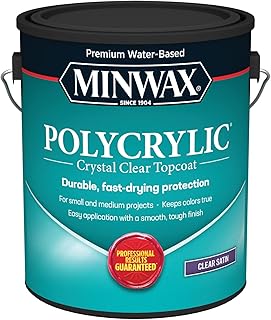
Minwax Polycrylic Protective Finish, Satin, 1 Quart
This is the default recommendation for most dining tables, and deservedly so: it stays clear over pale woods, levels well with a synthetic brush, and the satin sheen ages gracefully instead of polishing into shiny patches at each seat. The cured film feels smooth rather than plasticky under a resting forearm, which is exactly what you want in a contact zone.
Varathane Water-Based Ultimate Gloss Polyurethane, Half Pint
A fast-recoat water-based option with genuinely good scratch resistance for its category, best used on smaller surfaces or as a top-up on an existing gloss finish. At half a pint it won’t carry a full tabletop, so treat it as a precision tool rather than the main event.
Minwax Fast Drying Polyurethane, Warm Satin, 1 Quart
The oil-based pick, and the right call on walnut, cherry, or oak where you want depth and warmth rather than neutrality. It builds a hard, chemically resilient film that shrugs off wine and citrus, provided you give it the longer cure it demands and ventilate properly.
Varathane Triple Thick Polyurethane Gloss, Quart
One coat here roughly equals three conventional ones, which slashes project time and produces a thick, glassy film that resists dents from dropped cutlery. The tradeoff is unforgiving: the table must be perfectly level, and the high gloss will telegraph both dust nibs and future scratches.
Water-Based Clear Gloss Polyurethane Sealant, 100ml
A small-format sealant suited to touch-ups, table leaves, chair spindles, and edge repairs where breaking open a quart makes no sense. Useful to keep on hand, but not a candidate for finishing a full dining surface.
Frequently Asked Questions
How many coats does a dining table need?
Three for water-based products, two to three for oil-based, with a light 320-grit scuff between coats. The seating zone and the front edge take the most wear, so an extra coat there is cheap insurance.
Will polyurethane handle hot plates?
Once fully cured, yes for warm dishes, but no polyurethane is heat-proof. Anything straight from the oven will soften or cloud the film, so trivets stay part of the system.
Should I spray, brush, or wipe it on?
Brushing with a quality synthetic filament brush gives the best film build for the least equipment. Wiping produces thinner, more forgiving coats and needs more of them.
Can I put water-based poly over an oil-based stain?
Yes, provided the stain has cured completely, typically 24 to 72 hours depending on humidity. Rushing this is the single most common cause of adhesion failure.
Final Thoughts
For most dining rooms, the Minwax Polycrylic in satin is the balanced choice: clear, durable, comfortable to touch, and kind to the eyes under overhead lighting. Choose the Minwax Fast Drying Polyurethane in Warm Satin when you want richer tone on darker hardwoods, or the Varathane Triple Thick when you’d rather trade a fussier application for a thick, high-impact film in a single pass.