Key takeaways
- Clean stains from the outside toward the center to prevent them spreading.
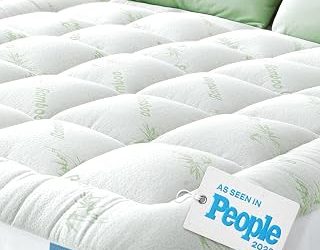
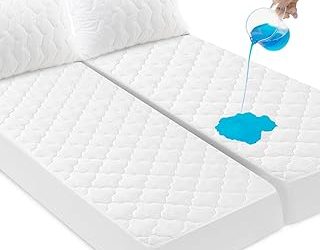
- Use a washable, breathable mattress protector to reduce future sweat and spill exposure.
- Rotate the mattress only if the manufacturer permits it; most memory foam models should not be flipped.
- Replace or wash vacuum filters as directed, since a clogged HEPA filter reduces airflow and cleaning performance.
What's inside
A memory foam mattress is built from an open-cell material that responds to pressure, heat, and moisture. That makes it comfortable, but it also means aggressive scrubbing, excess water, and high heat can damage the foam or leave dampness trapped inside. A careful cleaning routine protects the mattress’s support and helps reduce the buildup of dust, skin flakes, sweat residue, and odors.
This guide explains the safest way to clean memory foam in 2026, from preparation and vacuuming to spot treatment and drying. It also covers which tools are genuinely useful, which cleaning claims deserve caution, and how to judge whether a product is appropriate for your mattress rather than simply powerful on paper.
As an Amazon Associate we earn from qualifying purchases.




1. Check the Care Label and Prepare the Room
Before using any cleaner, read the mattress manufacturer’s care instructions. Some covers are machine-washable, while others require professional cleaning or prohibit particular chemicals. Remove all bedding, mattress protectors, and loose items. Wash the sheets and protector separately so you do not return freshly cleaned fabric to a contaminated surface.
Open windows or run a fan if possible. Memory foam should not be saturated, and good ventilation shortens drying time. If the mattress is heavy, avoid repeatedly lifting or folding it; awkward handling can strain your back and may crease the foam. Work in sections while keeping your spine neutral and moving around the bed rather than leaning across it.
2. Vacuum Slowly Before Applying Anything
Vacuum the entire upper surface, then clean the sides, seams, handles, and the area beneath the mattress if accessible. Use overlapping passes at a controlled pace. Fast sweeping may remove visible debris while leaving fine particles around the stitching and in the cover’s texture.
A mattress vacuum with a HEPA filter can be useful for dust and pet hair. The Teant Mattress Bed Vacuum Cleaner combines strong suction with tapping, heat, UV-C, and filtration, while the CFBF Mattress Bed Vacuum Cleaner and FEPPO Mattress Vacuum Cleaner offer similar corded, high-suction designs. Treat UV-C and heat as supplementary features, not as a replacement for vacuuming, laundering, or proper ventilation. Never use a device if its instructions prohibit the mattress fabric, and do not press a hot appliance in one place for an extended period.
3. Treat Stains With Minimal Moisture
Identify the stain before choosing a product. Fresh liquid should be blotted with clean towels using firm, even pressure; do not rub, since friction can spread the mark and roughen the cover. Continue with dry towels until little moisture transfers.
For organic odors or biological stains, an enzyme cleaner such as GEODE Mattress Cleaner & Deodorizer may be appropriate when its label confirms compatibility with the fabric. Enzymes need contact time, but “more product” is not better on memory foam. Apply a small amount to a cloth or lightly to the affected area, following the label, and test an inconspicuous spot first.
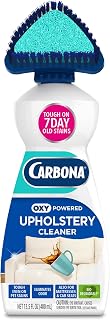
For a small, localized mark, Mattress Cleaner Foam Spray offers a no-rinse approach that can reduce the amount of liquid introduced to the foam. Carbona Oxy Powered Upholstery Cleaner with Brush & Sponge is another option for compatible upholstery and mattress fabrics. Its brush should be used gently, not as a scrubbing tool. Avoid chlorine bleach, strong solvents, and homemade mixtures that combine acids, alkalis, or oxidizers.
4. Rinse Carefully—or Avoid Rinsing
Many mattress products are designed for low-moisture or no-rinse use. That does not mean the treated area should be left visibly wet. After the product’s required dwell time, blot with a clean, slightly damp cloth only if the label calls for removal. Follow with several dry towels.
Do not pour water onto a memory foam mattress, steam-clean it without explicit manufacturer approval, or use a carpet extractor as though the mattress were a hard-wearing floor covering. Water can migrate into the foam core, where it dries slowly and may encourage musty odors. If a stain has penetrated deeply, repeated home treatment can do more harm than good; a mattress-cleaning professional may be the safer choice.
5. Dry the Mattress Completely
Drying is the most important step after spot cleaning. Stand the mattress on its side only if it can be supported securely, or elevate it enough to allow airflow underneath. Use fans to move room air across both surfaces. Do not remake the bed until the treated area feels dry and no cool, damp sensation remains when pressed with a dry hand.
High heat deserves restraint. Some specialist vacuums advertise heated cleaning, but memory foam can be sensitive to excessive or prolonged heat. Follow the appliance and mattress instructions, keep the device moving, and stop if the cover becomes hot. Once dry, vacuum the area lightly again to lift loosened residue.
Tips
- Clean stains from the outside toward the center to prevent them spreading.
- Use a washable, breathable mattress protector to reduce future sweat and spill exposure.
- Rotate the mattress only if the manufacturer permits it; most memory foam models should not be flipped.
- Replace or wash vacuum filters as directed, since a clogged HEPA filter reduces airflow and cleaning performance.
Frequently Asked Questions
Can I use baking soda on a memory foam mattress?
Yes, a light layer can help absorb surface odors temporarily. Leave it for several hours, then vacuum thoroughly. Baking soda will not remove a deep urine stain or sanitize the foam, and excessive powder may be difficult to extract from the cover.
How often should I clean a memory foam mattress?
Vacuum the surface every one to three months, and clean spills as soon as they occur. Wash the protector according to its care label. A full deep-cleaning routine is usually unnecessary unless there is a specific stain, odor, allergy concern, or pet-related debris.
Can I use a handheld steam cleaner?
Only if the mattress manufacturer expressly approves steam cleaning. Steam introduces both heat and moisture, two factors that can affect adhesives, covers, and foam. For most mattresses, controlled spot treatment and thorough air drying are lower-risk choices.
What should I do if the mattress still smells after cleaning?
Confirm that it is fully dry, then ventilate it for another day with fans moving air across the surface. Avoid masking odors with fragrance. If the smell persists, particularly after a large biological spill, contact the manufacturer or a qualified mattress-cleaning service for advice.
Conclusion
The best way to clean a memory foam mattress is restrained rather than aggressive: vacuum methodically, use a compatible low-moisture treatment, blot instead of scrubbing, and allow complete drying before use. A mattress vacuum can make routine maintenance easier, while an enzyme or upholstery cleaner can help with targeted stains. The key measure of success is not maximum suction or the strongest chemical—it is removing the problem without compromising the foam’s structure or leaving moisture behind.