Key takeaways
- Target roughly 30–50% relative humidity, then adjust downward if windows begin to fog or condensation appears.
- Replace evaporative water panels on the manufacturer’s schedule, and inspect the drain and inlet filter at the same time.
- If your water is mineral-rich, use the water type recommended for the appliance and clean more frequently when deposits appear.
- Never place a portable humidifier where a spill could reach a power strip, outlet, computer, or wooden furniture.
What's inside
Dry indoor air is more than a comfort issue. In winter, low humidity can shrink wood furniture, open gaps in flooring, irritate skin and airways, and increase static electricity around electronics. A correctly sized whole-house humidifier adds moisture through the HVAC system, so humidity is distributed more evenly than it is with a small bedroom unit.
The best choice for 2026 depends on your home’s floor area, ductwork, water supply, maintenance tolerance, and sensitivity to noise or mineral dust. This guide explains how to compare steam and evaporative systems, when a portable humidifier is a sensible alternative, and which durability details matter before you buy.
As an Amazon Associate we earn from qualifying purchases.


Our Recommended Picks
For a true central installation, the AprilAire 800 Whole-House Steam Humidifier is the most capable option in this group, with coverage listed for homes up to 10,300 square feet. Steam models can work independently of furnace heat, but they require electrical capacity, plumbing, drainage, and professional installation. Confirm that your electrical panel and HVAC layout can support it.
The AprilAire 4792 Humidifier Maintenance Kit with Water Panel Model No. 10 is a practical replacement component for AprilAire 500, 500A, and 500M evaporative humidifiers. A fresh water panel helps maintain evaporation and reduces the risk of mineral buildup restricting airflow. It is a maintenance purchase rather than a complete humidifier, but routine replacement is central to reliable operation.
For room-by-room use, the AreShark 4.2 Gal/16L Humidifier offers cool and warm mist, a large tank, and an extension tube intended to spread mist more broadly. The 15L/3.96 Gal large-room humidifier is another high-capacity portable option. The Lacidoll 16L/4.2Gal Whole House Humidifier adds an extension tube and aroma box. These units may suit open areas, workshops, or rentals where duct modification is impractical, but their advertised coverage should be treated as a best-case estimate.
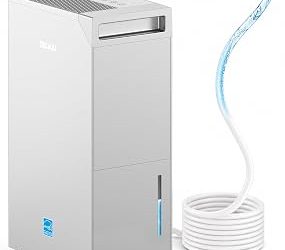
The hOmeLabs Dehumidifier 4,500 Sq Ft 32 Pint is not a humidifier; it is useful when the problem is excess moisture. Pairing humidity control with a dehumidifier can make sense in damp basements or shoulder seasons, but never assume a larger moisture appliance is automatically better for dry-air problems.
Choose the Right Humidification Method
Evaporative whole-house humidifiers use a water panel and moving furnace air to add moisture. They are generally efficient and produce little visible mist, but they depend on HVAC airflow and need regular panel replacement. Steam humidifiers boil water electrically and inject steam into the duct. They offer precise output and can humidify when the furnace is not heating, though they consume more electricity and involve more installation complexity.
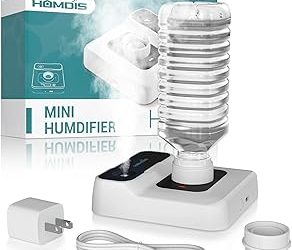
Portable ultrasonic models vibrate water into a fine mist. They are easy to deploy, but they need frequent cleaning and may spread white mineral dust if filled with hard water. They also humidify the room where they sit, not necessarily the entire home.
Size for the Building, Not the Marketing Claim
Coverage depends on ceiling height, insulation, air leakage, climate, ventilation, and whether doors remain open. A tightly built 2,000-square-foot home may need less output than a drafty 1,200-square-foot house. Ask an HVAC professional to calculate the required moisture output, commonly expressed in gallons per day or pounds of moisture per hour.
Oversizing is not harmless. Excess humidity can condense on windows, behind furniture, or inside wall cavities, encouraging mold and damaging finishes. A humidistat should regulate the system automatically, with a high-humidity limit that protects the building. In cold weather, the appropriate indoor target may need to be lower to prevent window condensation.
Evaluate Installation and Service Access
A durable installation leaves room to inspect, clean, and replace service parts without dismantling nearby ductwork. Look for accessible water panels, removable tanks, clear drain routing, and shutoff valves. Water leaks are especially damaging around flooring, cabinets, and upholstered furniture, so a pan, leak detection, or properly routed drain is worthwhile.
Steam systems typically need a dedicated electrical circuit or appropriately rated connection, a water line, and a drain. Evaporative systems require a compatible duct location and furnace blower operation. If the unit will be installed near a living area, ask about transformer or solenoid noise and whether vibration can travel through the ductwork.
Prioritize Cleanability and Material Protection
Humidity appliances handle standing water, so hygiene is a durability requirement. Choose designs with wide openings, smooth internal surfaces, and few inaccessible corners. Empty and dry portable tanks when the unit will sit unused. Follow the manufacturer’s cleaning instructions rather than mixing household chemicals or improvising disinfectants.
Use a separate hygrometer to verify the built-in sensor. Place it away from the mist plume, exterior doors, radiators, and direct sunlight. Keep portable units on a waterproof, stable surface with clearance around the outlet. Do not aim mist at wood furniture, artwork, electronics, or a wall; concentrated moisture can mark surfaces even when whole-room humidity remains reasonable.
Tips
- Target roughly 30–50% relative humidity, then adjust downward if windows begin to fog or condensation appears.
- Replace evaporative water panels on the manufacturer’s schedule, and inspect the drain and inlet filter at the same time.
- If your water is mineral-rich, use the water type recommended for the appliance and clean more frequently when deposits appear.
- Never place a portable humidifier where a spill could reach a power strip, outlet, computer, or wooden furniture.
Frequently Asked Questions
Is a whole-house humidifier better than a portable model?
It is usually better for consistent humidity throughout a home, especially when connected to a forced-air HVAC system. A portable unit is more economical for one room, a rental, or a home without accessible ductwork. Portable devices also avoid installation costs but demand more hands-on cleaning and refilling.
Do whole-house humidifiers cause mold?
They can contribute to mold if they are poorly adjusted, dirty, leaking, or operated at excessive humidity. Use a functioning humidistat, monitor actual room humidity, inspect nearby ducts and surfaces, and respond promptly to condensation or musty odors.
How often does a whole-house humidifier need maintenance?
Check the unit at least seasonally during use. Evaporative systems commonly need a water-panel replacement once per heating season, while steam systems require inspection for scale and electrode or canister service according to their manuals. Hard water can shorten service intervals.
Should I buy a humidifier with warm mist?
Warm mist can feel comfortable and may reduce the chill near the appliance, but it does not automatically humidify a room better. It also adds heat and may create burn risks. For unattended areas or homes with children and pets, cool mist with secure placement is often the safer choice.
Conclusion
The best whole-house humidifier is the one that matches your home’s moisture load, HVAC system, water quality, and maintenance habits. Choose an installed evaporative or steam unit for even central control, or a well-built portable model when flexibility matters more. Whichever route you take, accurate sizing, accessible service parts, controlled humidity, and protection for surrounding furniture will determine long-term performance more than tank capacity alone.