Key takeaways
- Match thickness to the failure mode: If the mattress is firm but unforgiving at the hips and shoulders, 2 to 3 inches of plush cushioning is usually enough. If it has visible dips, you need 4 inches of layered foam to bridge the depression, since a thin topper simply telegraphs the sag upward.
- Prioritize supportive rebound over pure softness: Sinking feels good for the first ten minutes and misaligns the spine by hour three. Look for zoned construction, higher-density base foam, or a firmer core beneath a soft top layer so the pelvis stays level with the ribcage.
- Check the deep-pocket range against your actual stack: King toppers stretch across 76 inches, so a skirt that barely reaches puts constant tension on the elastic and shifts nightly. Measure your mattress plus any existing protector, then buy with two inches of headroom.
- Read the fill and the stitching together: Down-alternative and bamboo-blend pillow tops depend entirely on baffle boxes or diamond quilting to stop clumping. Wide, unquilted panels are where fill migration starts, and that migration is what creates new pressure points.
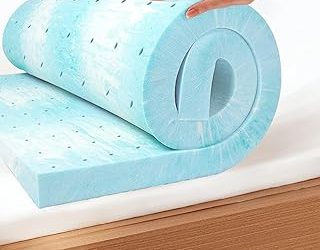
- Plan for heat before you buy, not after: Memory foam softens as it warms, which means a topper that sleeps hot also gets progressively less supportive through the night. Gel infusion, open-cell structure, mesh side panels, or a breathable cover directly protects both comfort and alignment.
What's inside
Back pain that shows up at 5 a.m. and fades by mid-morning is rarely a spine problem first. It is usually a load-distribution problem. When a mattress no longer supports the pelvis and shoulders at the same rate, the lumbar curve flattens or hinges overnight, and the small stabilizing muscles around the spine spend eight hours doing a job they were never meant to do. On a king, the issue compounds: the wider span means more unsupported surface area, and sagging tends to develop asymmetrically as two sleepers wear their own trenches.
A topper is the practical intervention when the mattress underneath is still structurally sound but the comfort layer has given up. This guide evaluates six king toppers built around back-pain relief, judged on the two things that actually determine whether the purchase holds up: pressure mapping across the hips and shoulders, and construction durability over months of nightly compression. Fill migration, foam density, gusset height, and skirt elasticity all get weighed, because a topper that flattens in ninety days is not a solution, it is a delay.
As an Amazon Associate we earn from qualifying purchases.



How to Choose a King Best Mattress Topper For Back Pain (2026)
- Match thickness to the failure mode: If the mattress is firm but unforgiving at the hips and shoulders, 2 to 3 inches of plush cushioning is usually enough. If it has visible dips, you need 4 inches of layered foam to bridge the depression, since a thin topper simply telegraphs the sag upward.
- Prioritize supportive rebound over pure softness: Sinking feels good for the first ten minutes and misaligns the spine by hour three. Look for zoned construction, higher-density base foam, or a firmer core beneath a soft top layer so the pelvis stays level with the ribcage.
- Check the deep-pocket range against your actual stack: King toppers stretch across 76 inches, so a skirt that barely reaches puts constant tension on the elastic and shifts nightly. Measure your mattress plus any existing protector, then buy with two inches of headroom.
- Read the fill and the stitching together: Down-alternative and bamboo-blend pillow tops depend entirely on baffle boxes or diamond quilting to stop clumping. Wide, unquilted panels are where fill migration starts, and that migration is what creates new pressure points.
- Plan for heat before you buy, not after: Memory foam softens as it warms, which means a topper that sleeps hot also gets progressively less supportive through the night. Gel infusion, open-cell structure, mesh side panels, or a breathable cover directly protects both comfort and alignment.
The Best King Best Mattress Topper For Back Pain (2026)s Reviewed
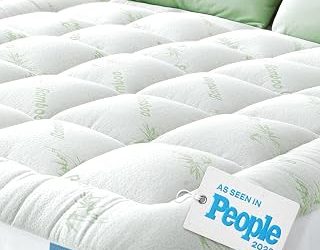
Niagara Sleep Solution Ultra Soft & Cooling Bamboo Pillow-Top Topper
The rayon-from-bamboo face fabric moves heat away efficiently, and the quilted pillow-top structure keeps fill distribution stable enough to avoid the lumpy patches that undermine cheaper pads. The 20-inch skirt is genuinely generous for a king, which matters more than most buyers expect since a taut, fully seated skirt is what prevents nightly shifting.
BEDLORE Viscose Bamboo Thick Pillow Top
Built for sleepers who want cushioning without the encapsulated feel of foam, with stretch pockets rated from 6 to 18 inches that accommodate almost any king setup. The plush loft takes noticeable pressure off shoulders and hips on a firm mattress, though anyone dealing with an existing dip will want more structural bridging than a fiber-fill top can provide.
3-Inch Ultra-Fluffy Memory Foam Topper with 4X Support
This one splits the difference well: a soft pillow-top surface over a memory foam core, so the initial contact feels forgiving while the foam underneath still resists deep pelvic sink. The breathable mesh side panels are a smart durability detail, promoting airflow through the foam instead of trapping moisture at the seams where breakdown usually begins.
Dual-Layer 4-Inch Cooling Gel and Pillow-Top Topper
The strongest choice for a genuinely worn king mattress, pairing 2 inches of gel memory foam with 2 inches of plush quilted top for real bridging capacity over uneven areas. Expect a break-in period, and confirm the 21-inch pocket clears your stack, because four inches of topper eats bedding depth quickly.
3-Inch Memory Foam Topper with Cooling Washable Cover
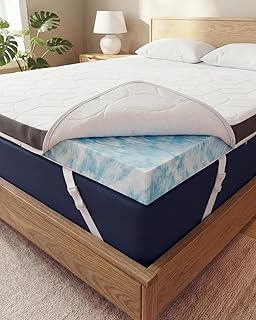
A clean, uncomplicated build with two features that extend service life: anchoring straps that stop rotation and a removable, washable cover that keeps body oils out of the foam itself. That cover matters more than it sounds, since oil absorption is a leading cause of premature foam softening and the alignment loss that follows.
Frequently Asked Questions
Will a topper fix a sagging king mattress?
It can mask mild sagging, roughly a half-inch or less, if you choose 4 inches of layered foam. Beyond that, the depression reasserts itself through the topper and you are better off replacing the mattress or adding support under it.
Should a topper for back pain be soft or firm?
Neither extreme works. You want a soft contact surface over a supportive base, so the shoulders and hips get relief while the lumbar spine stays in a neutral line.
How long should a king topper last?
Quality memory foam typically holds its support for three to five years; fiber-fill pillow tops usually compress meaningfully within one to three. Rotating the topper head to foot every few months evens out wear across the wider king surface.
Do I still need a mattress protector?
Yes. A thin, breathable protector over the topper blocks moisture and oils without adding a stiff layer that would blunt the cushioning underneath.
Final Thoughts
For most back-pain sleepers on a structurally sound king, the 3-Inch Ultra-Fluffy Memory Foam Topper offers the best balance of surface give and underlying support, with mesh sides that help it stay consistent through the night. If your mattress has begun to dip, step up to the Dual-Layer 4-Inch Cooling Gel Topper for real bridging capacity. Hot sleepers who need cushioning rather than correction should look first at the Niagara Sleep Solution bamboo pillow-top, which handles heat better than any foam option here.