Key takeaways
- Deck height and seat ergonomics: Total bed height determines how easily you rise in the morning. Aim for a mattress top between 22 and 26 inches from the floor, which lets most adults plant both feet with knees near a 90-degree angle. Pair thick hybrids with a 4 to 5 inch low-profile base; use a 7 to 9 inch foundation when the mattress is slim or the frame sits low.
- Rated capacity with a safety margin: Treat published ratings as peak static figures, not daily targets. Two adults, bedding, and the mattress itself commonly reach 700 to 900 pounds, and dynamic loads from sitting or repositioning multiply that briefly. A 3,000 to 3,500 pound rating provides genuine headroom against long-term metal fatigue.
- Slat spacing and edge support: Memory foam and latex need continuous, closely spaced support. Gaps wider than roughly 3 inches allow localized sag that shortens comfort-layer lifespan, and most foam warranties specify this. Perimeter rails matter too, since edge collapse is where seated wear concentrates.
- Split versus single-piece design: A king box spring in one piece is difficult to maneuver through tight stairwells and doorways. Two-piece or four-piece splits solve the logistics problem and are the practical choice for upper floors, though they require a frame with a sturdy center support rail to keep the halves aligned.
- Noise resistance and slip control: Silence comes from mechanical design, not padding. Look for welded or interlocking joints, bolt-free assembly, and non-slip fabric or grip tape on the deck to stop the mattress from creeping toward the footboard over months of use.
What's inside
A king mattress spreads roughly 6,000 square inches of surface across a frame, and every pound of that load has to travel somewhere. When the foundation underneath is undersized, poorly braced, or built from thin-gauge steel, the mattress starts doing structural work it was never engineered to do. The result shows up as a soft trough down the middle of the bed, a shoulder that sinks lower than the hip, and the low-grade lumbar ache that has people blaming a two-year-old mattress for a problem that actually lives four inches beneath it. Squeaking is the other tell: a joint that clicks under a shift in weight is a joint that has already begun to wear.
This guide approaches king box springs the way a fatigue-testing lab would, prioritizing load path, joint rigidity, and surface consistency over cosmetics. Below you will find six well-regarded options spanning low-profile metal bases, traditional Amish-built wood foundations, and tall split-assembly designs, along with a selection framework covering height, weight rating, slat spacing, and split-versus-solid construction. Whether you are replacing a collapsed foundation or building a bed from scratch, the goal is the same: a flat, silent, dependable platform that lets your mattress perform exactly as its manufacturer intended.
As an Amazon Associate we earn from qualifying purchases.


How to Choose a Box Spring King (2026)
- Deck height and seat ergonomics: Total bed height determines how easily you rise in the morning. Aim for a mattress top between 22 and 26 inches from the floor, which lets most adults plant both feet with knees near a 90-degree angle. Pair thick hybrids with a 4 to 5 inch low-profile base; use a 7 to 9 inch foundation when the mattress is slim or the frame sits low.
- Rated capacity with a safety margin: Treat published ratings as peak static figures, not daily targets. Two adults, bedding, and the mattress itself commonly reach 700 to 900 pounds, and dynamic loads from sitting or repositioning multiply that briefly. A 3,000 to 3,500 pound rating provides genuine headroom against long-term metal fatigue.
- Slat spacing and edge support: Memory foam and latex need continuous, closely spaced support. Gaps wider than roughly 3 inches allow localized sag that shortens comfort-layer lifespan, and most foam warranties specify this. Perimeter rails matter too, since edge collapse is where seated wear concentrates.
- Split versus single-piece design: A king box spring in one piece is difficult to maneuver through tight stairwells and doorways. Two-piece or four-piece splits solve the logistics problem and are the practical choice for upper floors, though they require a frame with a sturdy center support rail to keep the halves aligned.
- Noise resistance and slip control: Silence comes from mechanical design, not padding. Look for welded or interlocking joints, bolt-free assembly, and non-slip fabric or grip tape on the deck to stop the mattress from creeping toward the footboard over months of use.
The Best Box Spring King (2026)s Reviewed
MAF 5 Inch King Box Spring with Cover
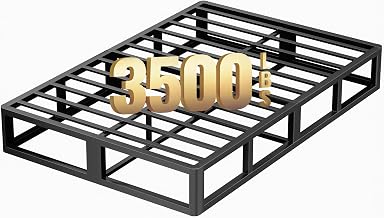
The 3,500 pound rating is the highest in this group, and the rounded corner detailing is a thoughtful touch that spares shins and bedding alike. At 5 inches it keeps overall bed height sensible under a tall hybrid, and the included cover means it works uncovered on an open frame without looking unfinished.
Amazon Basics Smart Box Spring Bed Base
A clean, no-fuss 5-inch foundation that assembles without tools and delivers a flat, predictable deck. It is the sensible default when you want reliable support and straightforward setup rather than maximum load capacity.
Greaton 4-Inch Wood Box Spring Foundation
Amish-built in the USA and shipped fully assembled in four pieces, this is the pick for anyone who prefers timber over steel and wants the lowest profile available. Wood construction damps vibration naturally, and the four-piece split makes a king far easier to carry upstairs than a single slab.
ALDRICH 7 Inch Heavy Duty Metal Foundation
A 3,000 pound steel base at a traditional 7-inch height, which restores proper bed elevation when you are replacing an old spring foundation of similar depth. The non-slip, wipeable cover addresses two nagging issues at once: mattress migration and dust accumulation.
Snaye 9 Inch King Box Spring Bed Base
The tallest option here, well suited to low platform frames or slimmer mattresses where you need to reclaim usable seat height. Tool-free assembly and a 3,000 pound rating make it a strong structural performer despite the added elevation.
Frequently Asked Questions
Does a memory foam mattress need a box spring?
It needs a rigid, evenly supportive surface, which a modern slatted metal or wood foundation provides. Avoid genuine coil-based box springs with foam, as their flex creates uneven support and can void warranty coverage.
How do I know when to replace my box spring?
Remove the mattress and inspect the deck. Visible sag, cracked slats, loose or bent hardware, and noise under load are all replacement signals. Most foundations last eight to ten years under regular use.
Will a split king box spring feel like two separate beds?
Not when the frame includes a center support rail and legs. The halves sit flush, the mattress bridges the seam, and no gap is detectable through the mattress.
Do I still need a bed frame underneath?
Yes, unless the foundation includes its own legs. These bases are designed to sit inside a frame or on a platform that carries the load to the floor.
Final Thoughts
For most king setups the MAF 5 Inch is the strongest all-around choice, combining the highest load rating here with a low profile that keeps bed height comfortable. Choose the Greaton wood foundation if you want fully assembled, USA-built timber construction and the slimmest possible deck, and go with the Snaye 9 Inch when a low frame or thinner mattress leaves you sitting too close to the floor.