Key takeaways
- Wear resistance: Choose a tightly woven surface that can withstand frequent sitting and sliding rather than a loose weave that catches on clothing or pet claws.
- Cleanability: Mid-tone and subtly textured fabrics disguise minor marks, but stain-resistant finishes and removable seat covers are even more useful in busy dining areas.
- Comfort: Fabric should feel neither scratchy nor excessively slick. A little surface texture improves grip and helps prevent occupants from sliding forward.
- Thickness and structure: Medium-to-heavy material generally protects the foam better and creates cleaner edges, although very thick cloth can be difficult to fold around corners.
- Color and lighting: Order a sample when possible. Natural linen-like fabrics can shift noticeably in appearance between daylight, warm bulbs, and the darker underside of a dining table.
What's inside
Dining-chair fabric has to do more than look attractive under showroom lighting. It must tolerate repeated friction, spilled drinks, shifting body weight, and the occasional scrape from a table edge—while still feeling comfortable against bare arms and clothing. A fabric that suits curtains may flatten, snag, or stain quickly when used on a seat.
This guide evaluates upholstery materials from an ergonomics-and-durability perspective: hand feel, abrasion resistance, cleanability, thickness, sewing behavior, and suitability for everyday dining. It also includes practical options for refreshing existing chairs and ready-made seating for shoppers who would rather replace than re-cover.
As an Amazon Associate we earn from qualifying purchases.



How to Choose a/an Fabric For Upholstered Dining Chairs (2026)
- Wear resistance: Choose a tightly woven surface that can withstand frequent sitting and sliding rather than a loose weave that catches on clothing or pet claws.
- Cleanability: Mid-tone and subtly textured fabrics disguise minor marks, but stain-resistant finishes and removable seat covers are even more useful in busy dining areas.
- Comfort: Fabric should feel neither scratchy nor excessively slick. A little surface texture improves grip and helps prevent occupants from sliding forward.
- Thickness and structure: Medium-to-heavy material generally protects the foam better and creates cleaner edges, although very thick cloth can be difficult to fold around corners.
- Color and lighting: Order a sample when possible. Natural linen-like fabrics can shift noticeably in appearance between daylight, warm bulbs, and the darker underside of a dining table.
The Best Fabric For Upholstered Dining Chairs (2026)s Reviewed
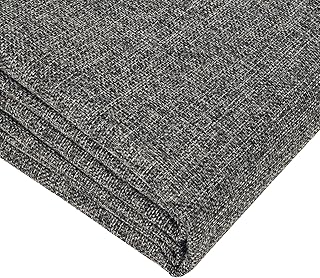
Heavy Linen Fabric 80×57 Inches
This dark-grey linen-texture cloth is a sensible choice for a small upholstery repair or a pair of dining seats. Its 1.2mm thickness gives it more body than lightweight craft linen, helping it lie smoothly over firm foam and resist premature edge wear. The neutral shade is forgiving in kitchens, though buyers should confirm that the cut size covers their cushions with enough surplus for stapling.
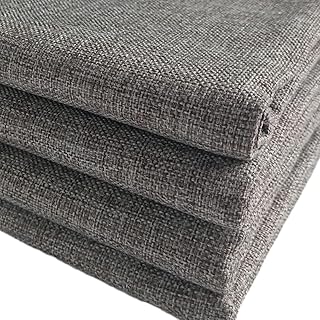
Faux Linen Needlework Fabric
At 3.3 yards long and 57 inches wide, this grey-blue faux linen offers useful coverage for several seat pads or a coordinated bench project. The woven appearance brings visual warmth without the maintenance demands of loosely woven natural linen. It is particularly appealing where a softer, muted blue-grey palette is desired, but test the reverse side first to ensure staples hold securely.
TinaKim Thick Chair Upholstery Fabric
The TinaKim faux-linen material is purposefully suited to sofa, couch, and chair projects, making it one of the more practical candidates for dining seats. Its thicker construction should help mask minor foam irregularities and produce a substantial feel beneath the hand. The flaxen tone works well with oak, walnut, and painted furniture, although lighter colors require prompt attention to food and beverage spills.
LaSilk Premium Upholstery Fabric
LaSilk’s navy-blue faux linen combines a generous 57-inch width with a heavier upholstery-oriented build. Navy is an excellent dining-room color for reducing the visibility of everyday marks while adding contrast to light wood or cream-colored frames. Because dark fabric can reveal lint and chalky residue, pair it with a regular vacuuming routine and avoid aggressive spot-scrubbing that may create a shiny patch.
COLAMY Wooden Dining Chairs Set of 6
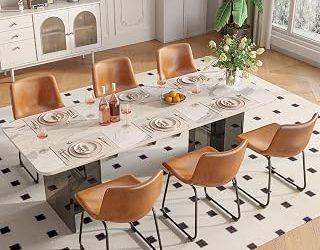
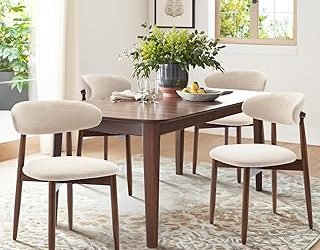
For shoppers who need complete seating rather than fabric by the yard, this COLAMY set provides six upholstered dining chairs with a farmhouse-modern profile and foot pegs. The built-in fabric avoids the fitting and stapling challenges of a reupholstery project, while the foot supports can improve lower-leg comfort during longer meals. Check seat dimensions and frame clearance carefully before buying, especially if the chairs will be used around a compact table.
Frequently Asked Questions
Is linen a good fabric for dining chairs?
Linen can feel cool, breathable, and natural, but standard linen may wrinkle and absorb spills readily. A tightly woven or linen-look upholstery fabric is often the better compromise for everyday dining because it preserves the visual character while offering more consistent structure.
What fabric color hides dining-room stains best?
Medium grey, flax, blue-grey, and muted navy are generally more forgiving than white or very pale beige. Texture also helps break up the appearance of small marks, but no color eliminates the need for prompt cleaning.
How much extra fabric is needed to cover a dining-chair seat?
Allow enough material to cover the cushion, sides, and underside with roughly 2 to 4 inches of extra fabric on every edge. Thick foam, rounded corners, and patterned material may require more, so measure the seat and plan the grain direction before cutting.
Should I use upholstery foam beneath the new fabric?
Yes, if the existing foam is compressed, lumpy, or brittle. Fresh medium-density foam improves pressure distribution and support; fabric alone cannot correct a collapsed cushion or an uncomfortable wooden base.
Final Thoughts
For re-covering a few seats, Heavy Linen Fabric is a straightforward dark-neutral option, while TinaKim Thick Chair Upholstery Fabric offers a more substantial flaxen finish for a larger refresh. LaSilk Premium Upholstery Fabric is the strongest style choice for a durable, darker statement. If you want to skip the workshop entirely, the COLAMY set of six delivers coordinated upholstered seating with less installation effort.