Key takeaways
- Dimensions: Confirm height, width, and depth against the wall, ceiling clearance, nearby appliances, and walking paths. A narrow cabinet is often easier to live with than an oversized unit that obstructs circulation.
- Shelf flexibility: Adjustable shelves allow you to accommodate cereal boxes, small appliances, cookware, and taller bottles without leaving unusable vertical gaps. Check the adjustment increments and supported load before buying.
- Construction: Steel resists many common pantry mishaps and is easy to wipe clean, while engineered wood can provide a warmer furniture look. In either case, inspect the door alignment, shelf support, and fasteners during assembly.
- Ergonomics: Frequently used items should sit between knee and shoulder height. Doors that open fully, handles with a comfortable grip, and drawers that are not placed too low can reduce awkward reaching.
- Stability: Tall cabinets should be placed on a level surface and secured to the wall where the instructions recommend. This is especially important in homes with children, pets, or uneven flooring.
What's inside
Best Pantry Cabinet (2026) Buying a pantry cabinet is less straightforward than it looks. A tall cupboard may offer impressive capacity, yet still waste usable space if its shelves are fixed, doors sag under load, or its footprint crowds a walkway. Materials also matter: particleboard, steel, hinges, drawer slides, and wall anchoring hardware all affect how comfortably and safely the cabinet performs over time.
This guide evaluates pantry cabinets from an ergonomics-and-durability perspective. We focus on access, shelf adjustability, storage zoning, door clearance, stability, and the practical details that determine whether a cabinet remains useful after the novelty wears off. Measure your available wall, baseboard, and door-swing space before choosing.
As an Amazon Associate we earn from qualifying purchases.


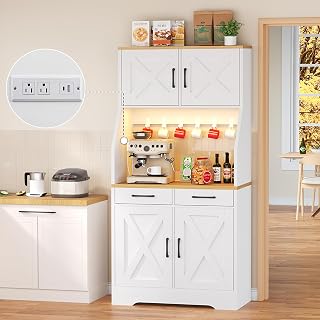
How to Choose a Pantry Cabinet (2026)
- Dimensions: Confirm height, width, and depth against the wall, ceiling clearance, nearby appliances, and walking paths. A narrow cabinet is often easier to live with than an oversized unit that obstructs circulation.
- Shelf flexibility: Adjustable shelves allow you to accommodate cereal boxes, small appliances, cookware, and taller bottles without leaving unusable vertical gaps. Check the adjustment increments and supported load before buying.
- Construction: Steel resists many common pantry mishaps and is easy to wipe clean, while engineered wood can provide a warmer furniture look. In either case, inspect the door alignment, shelf support, and fasteners during assembly.
- Ergonomics: Frequently used items should sit between knee and shoulder height. Doors that open fully, handles with a comfortable grip, and drawers that are not placed too low can reduce awkward reaching.
- Stability: Tall cabinets should be placed on a level surface and secured to the wall where the instructions recommend. This is especially important in homes with children, pets, or uneven flooring.
The Best Pantry Cabinet (2026)s Reviewed
75-Inch Farmhouse Metal Pantry Cabinet
This tall white metal cabinet is a strong choice when maximum vertical capacity matters. Its two doors and five shelves create a straightforward layout for dry goods, cookware, or cleaning supplies, while the farmhouse styling helps it blend into dining and living areas. Because a 75-inch cabinet can feel visually imposing, verify ceiling clearance and plan to anchor it securely.
Steeloong 71-Inch Metal Pantry Cabinet
The Steeloong combines a relatively slim, furniture-friendly profile with four adjustable shelves and two gold handles. That flexibility makes it easier to establish sensible storage zones instead of stacking every item on one tall shelf. The metal construction suits kitchens and utility spaces, although careful leveling will help the doors meet cleanly.
GAIOUS 71-Inch Steel Storage Cabinet
GAIOUS is a practical option for buyers who want a multifunctional steel cupboard rather than a cabinet limited to food storage. Four adjustable shelves support different container heights, making the interior adaptable for a kitchen, dining room, or office. Use heavier items on lower shelves to improve day-to-day handling and keep the cabinet’s center of gravity low.
MHOM 71-Inch Four-Door Pantry Cabinet
The MHOM stands out for its four-door arrangement, which can make a wide storage area easier to divide into manageable sections. Adjustable shelves add useful flexibility for pantry staples and serving pieces, while the white farmhouse appearance reads more like home furniture than utility storage. Its best fit is a room with enough clearance for multiple doors to open without competing with nearby cabinets.
Housoul 71-Inch Oak Pantry Cabinet
With an oak finish and four doors, the Housoul is aimed at shoppers who want pantry capacity without a strongly industrial look. Adjustable shelves let you separate everyday food, reserve stock, and tableware according to reach frequency. The warmer finish may hide minor handling marks better than bright white surfaces, but protect the cabinet from persistent moisture and confirm the finish suits your existing furniture.
Frequently Asked Questions
How tall should a pantry cabinet be?
Choose the tallest model that leaves safe clearance below the ceiling and can be assembled in the intended room. Also account for crown molding, light fixtures, and the angle needed to stand the cabinet upright after assembly.
Are metal pantry cabinets more durable than wood cabinets?
Not automatically. Metal generally handles spills and routine wiping well, while wood-based cabinets can offer excellent everyday durability when properly assembled and kept dry. Door hardware, shelf supports, leveling, and wall anchoring are just as important as the main material.
What should go on the lower shelves?
Place heavier or less frequently used items low, such as bulk packages, appliances, and large cookware. Keep daily essentials in the middle zone, where they can be reached without bending deeply or stretching overhead.
Do tall pantry cabinets need to be anchored?
In most homes, anchoring is a sensible safety measure for any narrow, tall cabinet. Follow the manufacturer’s hardware and wall-specific instructions, and do not rely on a loaded cabinet’s weight alone to prevent tipping.
Final Thoughts
The 75-Inch Farmhouse Metal Pantry Cabinet is a compelling capacity-first choice, while the Steeloong offers a balanced combination of adjustable storage and approachable styling. For a more furniture-like presence, the Housoul is worth considering; whichever model you choose, prioritize accurate measurements, sensible shelf zoning, and secure installation for dependable long-term use.