Key takeaways
- Thickness: A 2-inch foam layer can noticeably soften an air bed, while a quilted pad offers a subtler change with less risk of altering the bed’s support feel.
- Surface grip: Choose a fitted design with elastic edging or a deep pocket that can hold the air mattress securely. Excess fabric encourages bunching and uneven pressure.
- Pressure relief: Side sleepers generally benefit from foam or generously filled pillow-top construction. Back and stomach sleepers should avoid excessive sink, which can strain the lumbar region.
- Temperature control: Cotton covers and ventilated foam are preferable for hot sleepers. Dense, poorly ventilated foam can trap body heat, especially on an already warm air mattress.
- Maintenance: Machine-washable covers are a practical advantage because air-bed toppers are frequently used in guest rooms, camps, and multipurpose spaces. Look for stitching that can withstand repeated laundering.
What's inside
An air bed can be convenient, but its exposed surface often feels cooler, firmer, and less forgiving than a conventional mattress. The result is familiar to many sleepers: pressure at the shoulders and hips, a rustling cover, or a topper that shifts whenever the air chamber flexes.
This guide evaluates the best mattress toppers for air beds in 2026 through an ergonomics-and-durability lens. The key considerations are pressure distribution, heat management, pocket stability, washability, material recovery, and whether the topper adds genuine comfort without making the bed unstable.
As an Amazon Associate we earn from qualifying purchases.


How to Choose a/an Mattress Topper For Air Bed (2026)
- Thickness: A 2-inch foam layer can noticeably soften an air bed, while a quilted pad offers a subtler change with less risk of altering the bed’s support feel.
- Surface grip: Choose a fitted design with elastic edging or a deep pocket that can hold the air mattress securely. Excess fabric encourages bunching and uneven pressure.
- Pressure relief: Side sleepers generally benefit from foam or generously filled pillow-top construction. Back and stomach sleepers should avoid excessive sink, which can strain the lumbar region.
- Temperature control: Cotton covers and ventilated foam are preferable for hot sleepers. Dense, poorly ventilated foam can trap body heat, especially on an already warm air mattress.
- Maintenance: Machine-washable covers are a practical advantage because air-bed toppers are frequently used in guest rooms, camps, and multipurpose spaces. Look for stitching that can withstand repeated laundering.
The Best Mattress Topper For Air Bed (2026)s Reviewed
Queen Mattress Pad Thick Quilted Mattress Topper
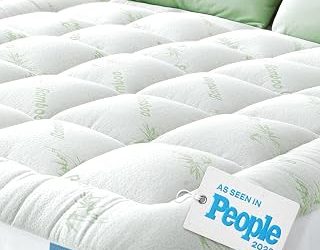
This thick quilted down-alternative pad is a sensible choice when an air bed feels too firm but you do not want the deeper contour of memory foam. Its breathable, noiseless construction should improve surface comfort while the deep pocket helps keep the pad aligned on taller inflatable mattresses. For durability, inspect the quilting after washing and dry it thoroughly to prevent the filling from clumping.
Queen Cotton Extra Thick Pillow Top Mattress Pad
The 100% cotton top gives this pillow-top pad a familiar, less synthetic sleep surface and may suit hot sleepers who dislike foam’s enveloping feel. Its extra thickness can smooth out minor ridges and pressure points, although it will not provide the same targeted body contouring as a foam topper. It is best for sleepers seeking cushioning with relatively easy maintenance.
EASELAND Queen Cotton Pillow Top Mattress Pad
EASELAND’s cotton-top pad balances cushioning and practicality with a boxed, quilted pattern designed to distribute its filling more evenly. The 8-to-21-inch deep pocket is particularly useful for air beds whose inflated height varies by model. This is a strong all-purpose option for guest use because it adds softness without radically changing the bed’s support behavior.
SINWEEK 2-Inch Gel Memory Foam Mattress Topper
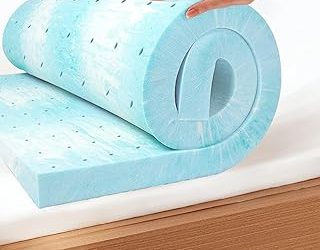
The SINWEEK topper is the most performance-oriented pick here for pressure relief. Its 2-inch ventilated gel memory foam layer can reduce concentrated loading at the shoulders and hips, while ventilation helps moderate heat; however, foam needs time to expand and may retain a mild manufacturing odor initially. Because it can change the air bed’s feel substantially, inflate the mattress to the firmness you normally use before assessing the combination.
SameBed Extra Thick Mattress Topper
SameBed uses overfilled down-alternative construction to create a plush, forgiving surface for sleepers who find air beds uncomfortably rigid. The deep-pocket protector is useful for limiting movement, though very soft padding can compress under heavier users and gradually expose the firmness beneath. It is a comfortable choice for back-pain-sensitive sleepers who prefer cushioning rather than contouring foam.
Frequently Asked Questions
Can you put a mattress topper on an air bed?
Yes. A topper can make an air bed quieter, warmer, and more comfortable, but it cannot correct an underinflated or leaking mattress. Set the air bed to its normal firmness first, then place the topper on a clean, dry surface.
What thickness is best for an air mattress?
For noticeable pressure relief, 2 inches of memory foam is usually sufficient. Quilted pads may be thicker overall but compress more readily, making them better for surface plushness than for deep support adjustment.
Will a mattress topper slide on an air bed?
It can, particularly on smooth vinyl surfaces. A fitted topper with elastic sides or a deep pocket is more stable than a loose pad. Keep bedding tension moderate so pulling at the corners does not drag the topper out of alignment.
Are cotton or memory-foam toppers cooler?
Cotton and cotton-top quilted pads generally feel cooler and less enclosing. Ventilated gel memory foam can also manage heat reasonably well, but it still tends to retain more warmth than a breathable fiber-filled pad.
Final Thoughts
For balanced everyday comfort, the EASELAND Queen Cotton Pillow Top Mattress Pad is the most versatile pick. Choose the SINWEEK 2-Inch Gel Memory Foam Topper for stronger pressure relief, or the thick quilted down-alternative pad for quiet, breathable cushioning with a softer change in support.