Key takeaways
- Measure the mattress width, length, and height before ordering, and compare them with the topper’s stated dimensions.
- Use a breathable mattress protector rather than placing a heated pad directly against memory foam unless the manufacturer approves it.
- Give the topper time to expand and air out; temporary odor is possible with compressed foam, but persistent or unusually strong odor warrants contacting the seller.
- If you share the bed, choose thickness and firmness with both sleepers in mind; a topper that suits one body can make the other feel trapped or unsupported.
What's inside
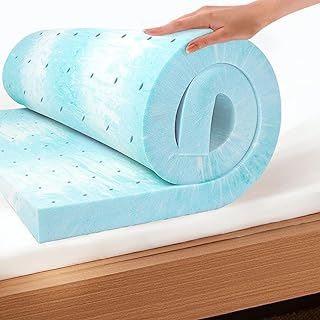
A mattress topper can change how a bed feels without the cost, disruption, or commitment of replacing the mattress. The right memory foam model can soften a hard sleep surface, reduce pressure at the shoulders and hips, and make an aging mattress feel more supportive. The wrong one can trap heat, slide across the bed, or add too much sink for comfortable movement.
This guide takes an ergonomics-and-durability approach to choosing a memory foam topper in 2026. We’ll look at thickness, density, temperature control, attachment, body support, and material certifications, then match those factors to common sleeping needs. The aim is not simply to find the softest option, but to choose a topper that preserves neutral spinal alignment and remains usable over time.
As an Amazon Associate we earn from qualifying purchases.


Start With Your Mattress and Sleep Position
A topper should correct a mattress problem, not conceal a serious structural failure. If the mattress has deep sagging, broken coils, or a pronounced valley, foam may temporarily disguise the issue while leaving your spine poorly supported. A relatively level but overly firm mattress is a much better candidate.
Side sleepers usually benefit from enough cushioning to let the shoulder and hip settle without creating a sharp bend at the waist. Back sleepers need a balance of contouring and resistance so the pelvis does not sink lower than the rib cage. Stomach sleepers generally need a thinner, firmer layer; an extra-plush topper can allow the abdomen and hips to drop too far and strain the lower back.
Choose Thickness With Restraint
Thickness changes the feel dramatically. A 2-inch topper, such as the Linenspa Memory Foam Mattress Topper, makes a modest adjustment and is useful when the mattress is basically comfortable but slightly firm. It also changes the height of the bed less and is easier to fit beneath existing sheets.
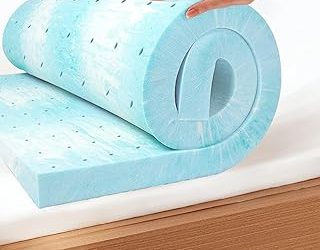
A 3-inch model offers a more noticeable pressure-relieving layer. The EGO 3 Inch Queen Mattress Topper, Best Price Mattress 3 Inch Ventilated Topper, and SINWEEK 3 Inch Gel Memory Foam Topper fit this middle ground. They can be a sensible choice for side sleepers or for beds that need substantial cushioning without an extreme pillow-top effect.
Five-inch designs, including the WhatsBedding 5 Inch Memory Foam Topper and SHOUREN 5 Inch Extra Thick Gel Memory Foam Topper, are a major feel change rather than a minor upgrade. Extra thickness may help someone who needs pronounced cushioning, but it can also make turning harder, increase edge instability, and raise the sleeping surface considerably. Check sheet depth and bed height before buying.
Assess Foam, Cooling, and Pressure Relief
Memory foam responds to body heat and weight, contouring more as it warms. That contouring can distribute pressure effectively, but dense foam may feel warm or restrictive to people who sleep hot. Gel infusion and ventilation can help manage heat, though neither guarantees a cool night: room temperature, bedding, body size, and the mattress underneath matter too.
Look for a topper with a breathable cover or ventilated construction when temperature is a priority. The Best Price Mattress, EGO, and SINWEEK options use cooling-oriented features in their descriptions, while the SHOUREN topper combines gel foam with substantial overall thickness. Treat these features as heat-management aids, not as a replacement for breathable sheets and adequate bedroom ventilation.
For pressure relief, pay attention to whether the foam allows gradual immersion rather than an abrupt collapse. A useful topper should cushion prominent body areas while retaining enough pushback to support the spaces around them. If you regularly change positions, avoid choosing solely by softness; a more responsive, moderately thick layer is often easier to move on.
Check Density, Cover, and Construction
Density is more informative than thickness alone, but it is not always clearly published in retail listings. Higher-density foam often feels more substantial and can resist early compression better, while lower-density foam may feel easier to move on and can be less expensive. Ask the manufacturer for density and foam specifications when durability is a deciding factor.
A removable, washable cover is a practical advantage. The SINWEEK topper includes a removable soft cover, which can make routine cleaning easier than relying on a permanently attached surface. However, wash the cover according to its care label and use a mattress protector underneath; neither a cover nor foam itself should be treated as fully waterproof.
CertiPUR-US certification, listed for several options here, indicates that the foam meets specified standards for emissions, content, and durability-related testing. It does not predict comfort or guarantee that every sleeper will find the topper suitable. Allow a new topper to expand in a well-ventilated room and follow the manufacturer’s recommended waiting period before judging its final feel.
Prevent Sliding and Premature Wear
Movement is a durability issue as well as an annoyance. A topper that creeps toward the headboard or bunches at the foot experiences uneven loading, which can accelerate wear. Use a fitted sheet with enough pocket depth to cover the mattress and topper together. A mattress protector can add a little friction, but it should not create wrinkles beneath the sleeper.
Straps or elastic attachment systems can be useful on a thicker topper. The SHOUREN model includes four-way straps, which may help keep its substantial profile in place. Still, confirm that the straps fit your mattress height and do not pull the topper into permanent folds. Rotate the topper from head to foot occasionally if the manufacturer permits it, and avoid folding foam sharply during storage.
Tips
- Measure the mattress width, length, and height before ordering, and compare them with the topper’s stated dimensions.
- Use a breathable mattress protector rather than placing a heated pad directly against memory foam unless the manufacturer approves it.
- Give the topper time to expand and air out; temporary odor is possible with compressed foam, but persistent or unusually strong odor warrants contacting the seller.
- If you share the bed, choose thickness and firmness with both sleepers in mind; a topper that suits one body can make the other feel trapped or unsupported.
Frequently Asked Questions
How thick should a memory foam mattress topper be?
Two inches is suitable for a modest comfort adjustment, while three inches provides more pressure relief and a stronger change in feel. Five inches is best treated as a substantial sleep-surface redesign and requires careful attention to support, mobility, and sheet fit.
Can a topper fix back pain?
It may reduce discomfort caused by excessive firmness or pressure, but it cannot diagnose or treat back pain. If the mattress sags or your hips sink noticeably, a topper may worsen alignment. Persistent pain should be discussed with a qualified healthcare professional.
Are gel-infused toppers genuinely cooler?
Gel and ventilation can improve heat dispersion compared with some conventional foam constructions, but cooling results vary. Breathable bedding, room temperature, and the topper’s thickness often have as much practical impact as the gel feature itself.
How long should a memory foam topper last?
Service life depends on foam density, sleeper weight, usage, climate, and how evenly the topper is loaded. Replace it when it develops lasting body impressions, loses support, crumbles, or causes new pressure points rather than relying on a fixed calendar estimate.
Conclusion
The best memory foam mattress topper is the one that solves a specific comfort problem without compromising alignment or manageability. Choose thickness according to your sleeping position and existing mattress, prioritize construction and fit over exaggerated cooling claims, and consider attachment and cleaning features as part of long-term value. For a measured change, start around 2 inches; for more substantial pressure relief, a well-supported 3-inch design is often the most versatile choice.