Key takeaways
- Thickness: Two inches offers a modest comfort adjustment, while three to four inches can make a genuinely hard mattress feel substantially more forgiving. Thicker is not automatically better if you need stable support.
- Material: Memory foam gives the most precise pressure relief, but it can retain warmth and make repositioning slower. Cotton, rayon, and fiber-fill toppers feel airier and more buoyant, though they compress sooner.
- Firmness: Choose a softer topper for shoulder or hip pressure, but avoid excessive sink if you sleep on your stomach or need easy movement. High-density firm foam is better for heavier sleepers who want cushioning without bottoming out.
- Temperature: Gel infusions, ventilated foam, breathable covers, and natural fibers can reduce heat buildup. No topper can make a heat-retentive mattress fully cool, so airflow through the entire bed still matters.
- Fit and durability: Deep-pocket skirts should accommodate the combined height of your mattress and topper without sliding. Removable, washable covers are useful for maintenance, while dense foam generally resists permanent body impressions better than loose fiber fill.
What's inside
A very firm mattress can keep your spine well supported yet still create uncomfortable pressure at the shoulders, hips, and knees. The right topper adds controlled cushioning without turning the sleep surface into a hammock, but thickness, foam density, heat retention, and edge stability all affect whether that improvement lasts.
This guide evaluates mattress toppers from an ergonomics-and-durability perspective. We focus on how each option changes pressure distribution, sleeping temperature, ease of movement, and overall bed height, so you can match the topper to your body type, sleep position, and the firmness of your existing mattress.
As an Amazon Associate we earn from qualifying purchases.


How to Choose a Mattress Topper To Soften A Firm Mattress (2026)
- Thickness: Two inches offers a modest comfort adjustment, while three to four inches can make a genuinely hard mattress feel substantially more forgiving. Thicker is not automatically better if you need stable support.
- Material: Memory foam gives the most precise pressure relief, but it can retain warmth and make repositioning slower. Cotton, rayon, and fiber-fill toppers feel airier and more buoyant, though they compress sooner.
- Firmness: Choose a softer topper for shoulder or hip pressure, but avoid excessive sink if you sleep on your stomach or need easy movement. High-density firm foam is better for heavier sleepers who want cushioning without bottoming out.
- Temperature: Gel infusions, ventilated foam, breathable covers, and natural fibers can reduce heat buildup. No topper can make a heat-retentive mattress fully cool, so airflow through the entire bed still matters.
- Fit and durability: Deep-pocket skirts should accommodate the combined height of your mattress and topper without sliding. Removable, washable covers are useful for maintenance, while dense foam generally resists permanent body impressions better than loose fiber fill.
The Best Mattress Topper To Soften A Firm Mattress (2026)s Reviewed
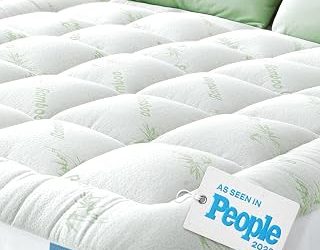
Niagara Sleep Solution Ultra Soft & Cooling Topper
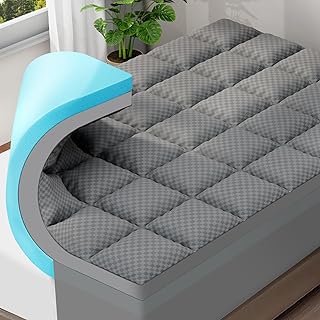
This rayon-derived-from-bamboo topper is a strong choice when a firm bed needs a plush, breathable comfort layer rather than more structural support. Its deep-pocket construction is practical for tall mattress-and-topper combinations, while the pillow-top feel should appeal to side sleepers and hot sleepers; however, very heavy users may compress the soft fill more quickly than dense foam.
Queen Cotton Extra Thick Pillow Top Mattress Pad
The cotton pillow top delivers a familiar, low-confinement feel and allows easier movement than memory foam. It is particularly suitable for sleepers who want to soften surface pressure while preserving the underlying mattress’s support, although its comfort profile is more cushioning than contouring and may need occasional redistribution.
3-Inch Firm-to-Extra-Firm Memory Foam Topper
Designed for larger sleepers, this topper takes a different approach: it adds pressure relief while maintaining a stable, supportive platform. The firm foam is less likely to bottom out than a lofty fiber pad, making it a sensible option for back sleepers or anyone who finds soft toppers unstable; the tradeoff is a warmer, more deliberate feel when turning.
3-Inch Firm Memory Foam Topper with 5-Zone Design
This full-size option combines firm memory foam with a two-sided cover and five-zone ergonomic shaping. The zoned layout can help balance cushioning across the shoulders, waist, and hips, while the reversible firmness choices make it more adaptable than a single-feel topper. It is a well-rounded pick when you want noticeable softening without losing mattress support.
PERLECARE 3-Inch Firm Gel-Infused Foam Topper
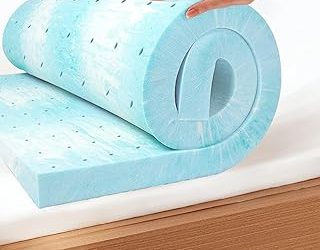
PERLECARE uses high-density memory foam with gel and bamboo charcoal features intended to moderate heat and odor while distributing pressure. Its removable cover improves long-term upkeep, and the firm construction should suit back sleepers and heavier adults who need a little give without excessive sink. Allow several days for the foam to fully expand before judging its feel.
Frequently Asked Questions
Will a mattress topper soften an extremely firm mattress?
Yes, but the result depends on the topper’s material and thickness. A three- or four-inch layer creates the most noticeable change, while a cotton or fiber topper provides surface plushness without altering the mattress’s deeper support as much as memory foam.
What thickness is best for side sleepers?
Side sleepers commonly benefit from three inches of cushioning because the shoulders and hips need room to settle. Choose a pressure-relieving foam if those areas feel numb, but avoid a very soft topper if your pelvis already sinks below your shoulders.
Can a mattress topper help back pain?
It may reduce pain caused by pressure points or a sleep surface that is too unforgiving, but it cannot correct every underlying support problem. The spine should remain reasonably level in your usual sleeping position; if your hips sag, select a firmer, higher-density topper.
How long should a mattress topper last?
Durability varies with foam density, body weight, nightly use, and rotation. Dense foam generally holds its shape longer than loose fiber fill, while a washable cover helps preserve cleanliness. Replace a topper when it develops permanent valleys, uneven support, or recurring odors.
Final Thoughts
For plush, breathable comfort, the Niagara Sleep Solution topper is a compelling choice; the 3-Inch Firm 5-Zone topper offers the best balance of cushioning and ergonomic stability. Heavier sleepers or those who dislike deep sink should consider the Firm-to-Extra-Firm Memory Foam option or PERLECARE’s dense gel-infused design.