Key takeaways
- Floor compatibility: Confirm that the machine is designed for sealed hard floors if you plan to wash wood-look flooring, tile, vinyl, or laminate. Wet floor washers are generally not intended for carpets or unsealed surfaces.
- Battery strategy: Look beyond the headline runtime. Heavy scrubbing, maximum suction, and frequent obstacle changes consume more power, while removable or spare batteries can matter in larger homes.
- Edge and furniture access: A low-profile head and effective edge-cleaning design reduce the need for hand work along baseboards and beneath sofa fronts. Check whether the handle and recovery tank make low-angle cleaning comfortable.
- Brush-roll maintenance: Tangle-resistant rollers and automatic rinse cycles reduce daily effort, but they do not eliminate maintenance. Removable parts, accessible channels, and a drying tray are important for long-term odor control.
- Wet pickup and filtration: Choose a sealed recovery system for household spills, and prioritize HEPA filtration when dry debris, workshop dust, or pet dander is part of the job. Shop-vac designs may offer more versatility but less polished floor-washing ergonomics.
What's inside
Choosing a cordless wet dry vacuum is less straightforward than comparing ordinary stick vacuums. These machines must lift dry debris, collect liquid without leaving a slippery film, maneuver around furniture, and survive repeated contact with grit, hair, and damp residue. A model that looks powerful on paper can still disappoint if its brush roll tangles, dirty tank is awkward to rinse, or battery fades before the floor is finished.
This guide evaluates the leading options through an ergonomics-and-durability lens: handling weight, edge access, maintenance, filtration, battery flexibility, and suitability for furniture-heavy homes. The goal is to match each cleaner to the messes and floor-care routines it can realistically handle, rather than treating every wet dry vacuum as interchangeable.
As an Amazon Associate we earn from qualifying purchases.




How to Choose a/an Cordless Wet Dry Vacuum Cleaner (2026)
- Floor compatibility: Confirm that the machine is designed for sealed hard floors if you plan to wash wood-look flooring, tile, vinyl, or laminate. Wet floor washers are generally not intended for carpets or unsealed surfaces.
- Battery strategy: Look beyond the headline runtime. Heavy scrubbing, maximum suction, and frequent obstacle changes consume more power, while removable or spare batteries can matter in larger homes.
- Edge and furniture access: A low-profile head and effective edge-cleaning design reduce the need for hand work along baseboards and beneath sofa fronts. Check whether the handle and recovery tank make low-angle cleaning comfortable.
- Brush-roll maintenance: Tangle-resistant rollers and automatic rinse cycles reduce daily effort, but they do not eliminate maintenance. Removable parts, accessible channels, and a drying tray are important for long-term odor control.
- Wet pickup and filtration: Choose a sealed recovery system for household spills, and prioritize HEPA filtration when dry debris, workshop dust, or pet dander is part of the job. Shop-vac designs may offer more versatility but less polished floor-washing ergonomics.
The Best Cordless Wet Dry Vacuum Cleaner (2026)s Reviewed
BISSELL CrossWave Edge Cordless
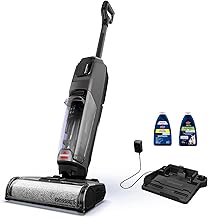
The BISSELL CrossWave Edge Cordless is a strong furniture-friendly choice, with edge cleaning and a tangle-free pet hair brush roll aimed at the two chores that most often slow floor care: perimeter buildup and hair wrapping. Its FreshStart filter and included storage and rinse tray support a cleaner maintenance routine, although owners should still empty and dry the machine after every wet session.
Seesii Cordless Wet Dry Shop Vac
With two 4.0Ah rechargeable batteries, a 2.6-gallon tank, and a HEPA filter, the Seesii is better suited to garages, vehicles, workshops, and large accidental spills than delicate daily floor washing. Its shop-vac format offers useful capacity and flexibility, but the bulkier body and hose-oriented design are less convenient around chair legs and low furniture.
Bissell CrossWave OmniForce
The Bissell CrossWave OmniForce earns attention for its dedicated dry vacuum mode, which is useful when crumbs and grit need collecting without adding moisture. Its tangle-free brush roll and multi-surface cordless design make it a practical all-rounder for busy hard floors, while the separate dry mode can reduce unnecessary wet-cleaning cycles and roller wear.
Ultenic AC1 Elite
The Ultenic AC1 Elite combines self-cleaning, smart mess detection, edge cleaning, an LED display, and up to 50 minutes of stated runtime in a compact floor-cleaning format. That combination favors households that want guidance during use and less guesswork around changing messes; as with any sensor-equipped appliance, keeping the dirty-water path and detection area clean is essential for dependable performance.
DEWALT 20V MAX Shop Vacuum DCV581H
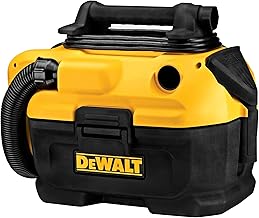
The DEWALT 20V MAX Shop Vacuum DCV581H is a rugged utility option with a two-gallon tank, wide nozzle, HEPA filter, and wet/dry capability. It is especially compelling for renovation debris, car interiors, and workshop cleanup, but remember that this is a tool-only model: a compatible DEWALT 20V MAX battery is required, and its shop-vac ergonomics are not optimized for washing floors.
Frequently Asked Questions
Can a cordless wet dry vacuum replace a regular mop?
For sealed hard floors and routine spills, a floor-washing model can replace much of the vacuum-and-mop process. It is not a universal substitute for deep scrubbing, carpet cleaning, or cleaning unsealed flooring, and stubborn residue may still require manual treatment.
Are these machines safe for wood floors?
Use them only on sealed wood or engineered surfaces when the manufacturer permits it. Apply minimal fluid, avoid leaving standing water behind, and test an inconspicuous area first; excessive moisture is a flooring problem, not a vacuum problem.
How should I maintain a wet dry vacuum?
Empty the recovery tank promptly, rinse the tank and filter as directed, clear hair from the roller, and let washable components dry fully before reassembly. A damp machine sealed shut between uses is more likely to develop odor and lose performance.
What is the difference between a floor washer and a shop vacuum?
A floor washer is designed to dispense cleaning solution, agitate hard floors, and recover dirty water with a relatively light, maneuverable head. A shop vacuum is built for broad wet and dry debris collection, usually with greater utility for garages and vehicles but less refinement for everyday floor washing.
Final Thoughts
For furniture-filled homes and pet-heavy floors, the BISSELL CrossWave Edge Cordless is the most balanced choice. The Bissell CrossWave OmniForce is a smart pick when dry vacuuming deserves its own mode, while the DEWALT DCV581H or Seesii is better for rugged garage, car, and workshop duties than routine mopping.