Key takeaways
- Use a pillow tall enough to keep your head level with your spine; a topper may change the required pillow height.
- Allow compressed foam to expand fully before judging its firmness or odor.
- Measure mattress depth with existing protectors and pads in place before ordering.
- Use a breathable, washable protector to reduce sweat, friction, and surface wear.
What's inside
Side sleepers place concentrated load on the shoulder, rib cage, and outer hip. A topper can soften those pressure points, but the wrong one may let the pelvis sink too far, trap heat, or slide across the mattress. The best choice is therefore not simply the thickest or softest model; it is the topper that balances pressure relief with stable spinal alignment and dependable recovery.
This guide explains how to choose a mattress topper for side sleeping in 2026, with an emphasis on ergonomics, material durability, temperature control, and practical upkeep. Our recommended picks appear below, followed by a closer look at thickness, construction, fit, firmness, and the warning signs that a topper cannot fix an unsuitable mattress.
As an Amazon Associate we earn from qualifying purchases.



Start With Your Mattress and Body Position
First assess what is underneath the topper. A mattress that is merely too firm can often be improved with a softer comfort layer. A mattress with permanent sagging, broken edges, or uneven support usually cannot; adding cushioning may disguise the problem briefly while making alignment worse. Lie on your side and ask a second person to check whether your spine looks reasonably straight from neck to pelvis. Your shoulder and hip should sink enough to avoid pressure, while your waist should not be left unsupported.
Body weight also affects the result. Lighter sleepers may need a more responsive, moderately plush topper because dense foam can feel rigid. Heavier sleepers generally need sufficient support and a resilient base, rather than an extremely soft pillow top that compresses quickly. If you regularly change positions, avoid a deeply enveloping topper that makes movement difficult.
Choose the Right Thickness and Feel
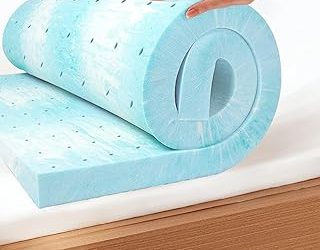
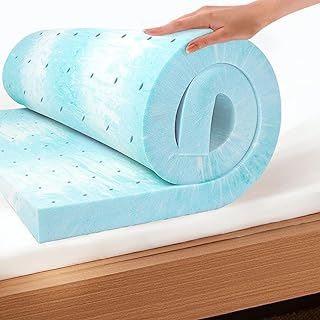
For many side sleepers, a topper between 2 and 4 inches provides a useful change in pressure distribution without radically altering the mattress. Two-inch options, such as the Linenspa 2-Inch Gel Memory Foam Topper, are a relatively restrained adjustment for a mattress that is close to comfortable but slightly firm. A 3-inch design, such as the EGO 3-Inch Gel Memory Foam Topper, generally creates a more noticeable cradle and can be helpful when shoulder and hip pressure are persistent.
Very thick constructions can feel luxurious, but thickness alone does not indicate quality. The WhatsBedding 5-Inch Bamboo Viscose Air-Layer Topper is an example of a much deeper design. Before choosing this style, check your bed height, fitted-sheet depth, and ease of getting in and out of bed. A lofty topper can also amplify the softness of an already plush mattress.
Compare Materials for Pressure Relief and Longevity
Memory foam distributes load effectively by contouring around the shoulder and hip. It is a strong option for motion isolation, but dense foam may retain warmth and develop body impressions if it is underbuilt or overloaded. Look for a stated foam density where available, a reputable certification, and a cover that can be removed for washing. The EGO topper’s gel-infused, ventilated construction and the Linenspa’s gel-infused foam are aimed at moderating heat, although no foam topper can guarantee cool sleep in every bedroom.
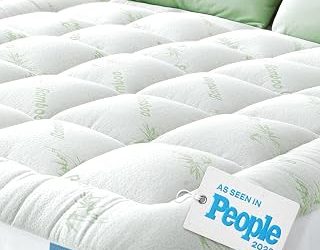
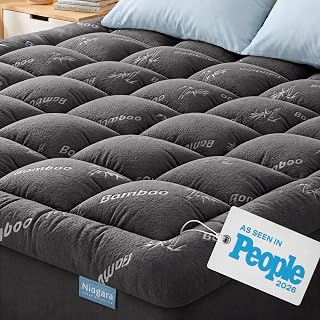
Fiber-filled and quilted pillow-top pads feel springier and are easier to wash, but they usually change pressure distribution less dramatically than foam. The Niagara Sleep Solution Ultra Soft & Cooling Topper, BEDLORE Viscose Bamboo Topper, and EASELAND Cotton Pillow Top Mattress Pad suit shoppers who prefer a cushioned surface with more airflow and simpler laundering. Fiber fill can flatten or migrate over time, so inspect quilting, edge finishing, and wash instructions rather than judging durability by loft alone.
Prioritize Fit, Movement, and Temperature
A topper that shifts undermines the ergonomic benefit you paid for. Measure the mattress, including its current depth, and select pockets that accommodate the complete stack. The BEDLORE topper lists stretchable pockets for mattresses from 6 to 18 inches, while the EASELAND pad lists an 8-to-21-inch range. The Niagara model advertises 20-inch deep pockets. These ranges are useful, but a fitted skirt should still have enough tension to hold the topper without pulling the corners upward.
Heat management depends on more than a “cooling” label. Bedroom temperature, bedding, body weight, foam density, and perspiration all matter. Open or ventilated foam may feel less stuffy than a solid slab, while bamboo-derived viscose and cotton covers can improve moisture handling at the surface. Use breathable sheets and avoid trapping a topper beneath a waterproof protector that has a non-breathable plastic-like backing.
Check Care, Certifications, and Return Protection
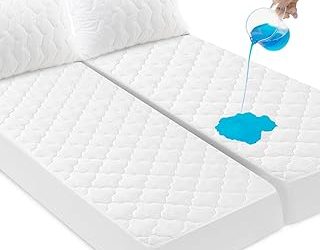
Durability begins with realistic care. Rotate the topper periodically if the manufacturer permits it, use a washable protector, and avoid folding foam sharply during storage. Quilted pads are often machine washable, but confirm the required cycle and drying method; incomplete drying can encourage odor or mildew. Foam toppers commonly arrive compressed and need time to expand and air out in a ventilated room.
Certifications can provide a useful baseline rather than a guarantee of comfort. The EGO and Linenspa listings identify CertiPUR-US certification, which addresses certain foam emissions and material requirements. Also read the warranty, trial, and return terms before opening the package. A topper is a personal fit decision, and several nights may be needed for your body to adapt, but persistent numbness, sharp pressure, or back strain is a reason to stop using it.
Tips
- Use a pillow tall enough to keep your head level with your spine; a topper may change the required pillow height.
- Allow compressed foam to expand fully before judging its firmness or odor.
- Measure mattress depth with existing protectors and pads in place before ordering.
- Use a breathable, washable protector to reduce sweat, friction, and surface wear.
Frequently Asked Questions
What thickness is best for a side sleeper?
Two to four inches is a sensible starting range for most side sleepers. Choose closer to 2 inches for a modest comfort adjustment and closer to 3 or 4 inches when shoulder and hip pressure are substantial. A thicker topper is not automatically more supportive.
Is memory foam or a pillow-top pad better?
Memory foam usually offers deeper contouring and stronger motion isolation. A cotton or bamboo-viscose pillow-top pad tends to feel more breathable, springy, and washable. Select foam for pronounced pressure relief; select fiber quilting if surface softness and easy maintenance matter more.
Can a mattress topper correct back pain?
It may reduce discomfort caused by excessive firmness or pressure, but it cannot diagnose or treat back pain. If the underlying mattress sags or your pelvis sinks out of alignment, a topper may aggravate the issue. Ongoing or severe pain should be discussed with a qualified health professional.
How long should a mattress topper last?
Service life varies with material, thickness, body weight, use, and care. Replace it when it develops lasting valleys, uneven lumps, odor that will not clear, or renewed pressure at the shoulder and hip. A washable cover and regular rotation can help preserve performance.
Conclusion
The best mattress topper for a side sleeper is the one that fills the gap between your body and mattress without sacrificing alignment. Start by identifying whether you need deeper contouring or simply a softer, cooler surface. Then compare thickness, foam or fiber construction, pocket fit, care requirements, and return protection. A measured 2- to 4-inch upgrade is often more durable and comfortable than choosing the tallest topper on the shelf.