Key takeaways
- Dimensions: Confirm whether you need a true 108-by-108-inch Alaskan king mattress or a standard 76-by-80-inch king for a smaller custom sleep surface. A mattress that is too short or narrow can create unsupported edges and awkward gaps.
- Support design: Look for stable lumbar support and even weight distribution. Zoned foam, pocketed coils, or a firm comfort layer can help keep the pelvis from sinking below the rib cage.
- Firmness: Side sleepers often benefit from moderate cushioning at the shoulders and hips, while stomach and back sleepers typically need firmer resistance to limit midsection sag.
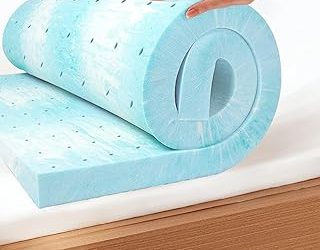
- Temperature control: Gel infusions, ventilated foam, breathable covers, and coil systems may reduce heat buildup, although no cooling material can compensate for heavy bedding or a poorly ventilated base.
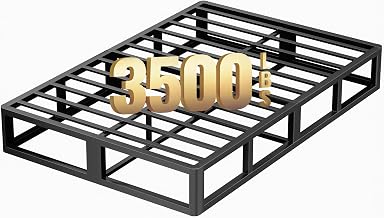
- Durability and setup: Check foam certifications, material construction, weight limits, and the required expansion period. A rigid, well-supported foundation is essential for preserving comfort and preventing premature impressions.
What's inside
Shopping for an Alaskan king mattress is less straightforward than choosing a conventional king. The oversized 108-by-108-inch format is uncommon, so many products marketed toward large-family bedrooms are actually standard kings, measuring roughly 76 by 80 inches. That difference affects support, edge stability, sheet fit, and whether the mattress leaves unused space on a custom platform.
This guide evaluates the listed mattresses from an ergonomics-and-durability perspective: pressure distribution, spinal support, temperature control, motion transfer, construction, and practical setup. Treat the recommendations as mattress options for an Alaskan king room or custom frame, and verify the exact dimensions before ordering.
As an Amazon Associate we earn from qualifying purchases.



How to Choose an Alaskan King Mattress (2026)
- Dimensions: Confirm whether you need a true 108-by-108-inch Alaskan king mattress or a standard 76-by-80-inch king for a smaller custom sleep surface. A mattress that is too short or narrow can create unsupported edges and awkward gaps.
- Support design: Look for stable lumbar support and even weight distribution. Zoned foam, pocketed coils, or a firm comfort layer can help keep the pelvis from sinking below the rib cage.
- Firmness: Side sleepers often benefit from moderate cushioning at the shoulders and hips, while stomach and back sleepers typically need firmer resistance to limit midsection sag.
- Temperature control: Gel infusions, ventilated foam, breathable covers, and coil systems may reduce heat buildup, although no cooling material can compensate for heavy bedding or a poorly ventilated base.
- Durability and setup: Check foam certifications, material construction, weight limits, and the required expansion period. A rigid, well-supported foundation is essential for preserving comfort and preventing premature impressions.
The Best Alaskan King Mattress (2026)s Reviewed
Sweetnight CoolNest 14-Inch King Mattress
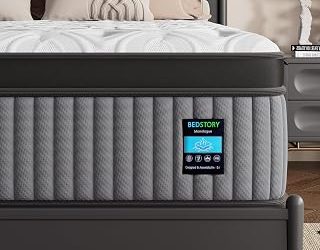
The CoolNest combines a medium feel with five-zone ergonomic support, making it a versatile choice for couples who change sleeping positions. Its ventilated memory-foam construction is designed to improve airflow and cushion pressure points, while CertiPUR-US certification adds a useful material-quality check. Because it is a standard king, it is best suited to a conventional king section of an oversized bedroom rather than a true Alaskan king frame.
SLEEP100 14-Inch Extra-Firm King Mattress
SLEEP100 is the most support-oriented option in this group, with an extra-firm profile, contouring foam, and gel-infused ventilation. That combination may appeal to back and stomach sleepers who dislike a sinking sensation, though lighter side sleepers could find the surface too resistant around the hips and shoulders. Its alignment-focused design is a sensible match for sleepers prioritizing a flatter, more stable posture.
OlarHike 18-Inch King Air Mattress
The OlarHike is an airbed rather than a permanent mattress, but its built-in pump, coil-beam support, flocked surface, and high stated capacity make it useful for guests or temporary sleeping arrangements. Adjustable inflation allows users to tune firmness more precisely than with fixed foam. For daily use, however, an air mattress generally offers less predictable long-term body support and requires periodic pressure checks.
14-Inch King Gel Hybrid Mattress
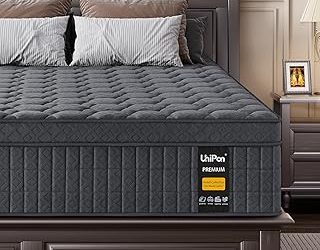
This gel hybrid pairs memory foam with individually wrapped pocket springs, a construction that typically balances pressure relief with easier movement and stronger ventilation than all-foam designs. Pocketed coils can also reduce partner disturbance while providing more resilient support at the hips and torso. Its medium-firm feel should suit many back and combination sleepers, provided the custom foundation fully supports the coil unit.
EGOHOME 12-Inch Green Tea King Mattress
The EGOHOME offers a medium-firm memory-foam feel with cooling green-tea gel, pressure-relieving contouring, and a fiberglass-free construction. Its 12-inch profile is somewhat easier to handle than thicker alternatives, which can matter when rotating or installing a mattress on a large custom platform. It is a practical choice for sleepers who want balanced cushioning without an especially plush surface.
Frequently Asked Questions
What size is an Alaskan king mattress?
A true Alaskan king is commonly listed at approximately 108 by 108 inches, although custom manufacturers may vary slightly. Always measure the frame and confirm the mattress dimensions rather than relying on the “king” label alone.
Can a standard king mattress be used on an Alaskan king bed?
Yes, but it will occupy only part of the frame. A standard king is usually about 76 by 80 inches, leaving substantial uncovered space that may require a properly built insert, surrounding platform, or separate sleep surfaces.
Is memory foam or a hybrid better for a very large bed?
Neither construction is universally superior. Memory foam provides consistent contouring and low motion transfer, while hybrids generally offer stronger ventilation, easier repositioning, and more responsive support. Foundation quality becomes especially important as mattress size and sleeper load increase.
How long should a boxed mattress expand?
Many compressed mattresses need several hours to regain their shape, with comfort and odor improving over the next day or two. Follow the manufacturer’s instructions, keep the room ventilated, and do not judge firmness immediately after unboxing.
Final Thoughts
For balanced cushioning, the Sweetnight CoolNest is the strongest all-purpose pick; the SLEEP100 suits sleepers who prefer extra-firm alignment; and the gel hybrid is the most compelling option for responsive support and airflow. None of these listed products is a true 108-by-108-inch Alaskan king, so confirm measurements and foundation compatibility before purchasing.