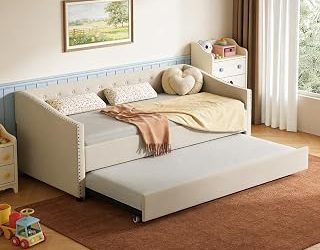
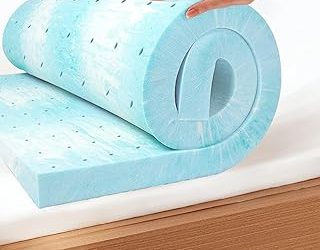
Key takeaways
- Height: A 5- or 6-inch profile is commonly practical for bunks, but the frame’s instructions are the final authority. Excess height can reduce the guardrail’s effective protection.
- Support: Medium-firm foam or a foam-and-spring design generally offers a stable sleep surface without excessive sinking, which is useful for children and adults sharing compact rooms.
- Pressure relief: Memory foam can cushion shoulders and hips, but very soft foam may allow awkward spinal positions. Look for balanced contouring rather than maximum plushness.
- Heat control: Gel-infused foam, open-cell layers, and breathable covers can help reduce heat buildup. They improve ventilation, but no foam mattress guarantees cool sleep for every sleeper.
- Materials and care: Certifications such as CertiPUR-US and OEKO-TEX provide useful material-screening information. A washable or removable cover is especially valuable in children’s rooms.
What's inside
A bunk bed mattress has a demanding job: it must provide dependable support in a compact frame while staying thin enough to preserve safe guardrail height. Shoppers also need to balance pressure relief, heat management, weight, odor, and the practical realities of rotating or replacing a mattress in a raised sleeping position. A mattress that feels comfortable on the floor may not be the right choice for a bunk platform.
This guide evaluates twin bunk bed mattresses from an ergonomics-and-durability perspective. We focus on profile height, support consistency, construction, airflow, certifications, cover maintenance, and fit for bunk beds, trundles, daybeds, and other compact frames. Always confirm the mattress height permitted by your bunk-bed manufacturer before buying.
As an Amazon Associate we earn from qualifying purchases.

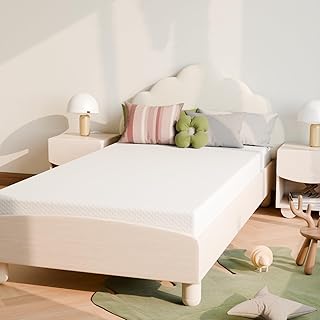


How to Choose a/an Twin Bunk Bed Mattress (2026)
- Height: A 5- or 6-inch profile is commonly practical for bunks, but the frame’s instructions are the final authority. Excess height can reduce the guardrail’s effective protection.
- Support: Medium-firm foam or a foam-and-spring design generally offers a stable sleep surface without excessive sinking, which is useful for children and adults sharing compact rooms.
- Pressure relief: Memory foam can cushion shoulders and hips, but very soft foam may allow awkward spinal positions. Look for balanced contouring rather than maximum plushness.
- Heat control: Gel-infused foam, open-cell layers, and breathable covers can help reduce heat buildup. They improve ventilation, but no foam mattress guarantees cool sleep for every sleeper.
- Materials and care: Certifications such as CertiPUR-US and OEKO-TEX provide useful material-screening information. A washable or removable cover is especially valuable in children’s rooms.
The Best Twin Bunk Bed Mattress (2026)s Reviewed
Zinus 5 Inch Cooling Essential Memory Foam Mattress
This Zinus model is a sensible low-profile choice when guardrail clearance is the primary concern. Its medium feel aims to combine pressure relief with enough surface stability for bunk use, while cooling-oriented foam may be helpful for sleepers who find traditional memory foam warm. CertiPUR-US and OEKO-TEX certifications add useful reassurance when selecting a mattress for a child’s room.
5-Inch Medium-Firm Cooling Gel Memory Foam Twin Mattress
Designed specifically around bunk beds, daybeds, trundles, and similar frames, this mattress emphasizes a firmer, more controlled feel. Its fiberglass-free construction and kid-focused safety positioning are notable advantages for cautious buyers, while the compact profile preserves flexibility in low-clearance bunk installations. It is a strong practical option for sleepers who dislike a deeply sinking surface.
MLILY 5-Inch Twin Mattress in a Box
The MLILY combines a medium-firm feel with green-tea gel memory foam in a narrow, bunk-friendly format. Its 75-by-38-inch dimensions suit many standard twin applications, though buyers should measure the frame rather than assume a universal fit. This is a well-rounded pick for a child’s bed, daybed, or individual bunk where modest cushioning and manageable thickness matter more than a plush hotel feel.
Zinus 6-Inch Narrow Twin Foam & Spring Mattress
For buyers who prefer a little more structural resilience, this Zinus pairs foam with springs instead of relying exclusively on an all-foam core. The hybrid-style construction can provide a more responsive feel and useful edge stability in a compact sleeping space. Its 6-inch height remains appropriate for many bunk setups, but guardrail clearance deserves especially careful measurement.
EGOHOME 8-Inch Twin Memory Foam Mattress
The EGOHOME offers the thickest profile in this selection, with medium-firm support and cooling green-tea gel foam. That added height may improve cushioning for adults or larger sleepers, but it also makes frame compatibility the deciding issue: an 8-inch mattress can reduce guardrail exposure on some bunk beds. Consider it primarily when the manufacturer explicitly permits that thickness.
Frequently Asked Questions
How thick should a twin bunk bed mattress be?
There is no universal thickness requirement. Many bunk beds are designed for mattresses around 5 to 6 inches thick, but the manufacturer’s specifications should determine the maximum. Measure the installed mattress surface and confirm that the guardrails still provide the required protection.
Is memory foam suitable for a bunk bed?
Yes, provided the mattress is the correct height and has a stable, supportive feel. Memory foam can reduce motion transfer and cushion pressure points, but very soft foam may make repositioning harder for some sleepers. A medium or medium-firm model is usually the safer starting point for versatile use.
Does a bunk mattress need a special foundation?
It needs a properly supported platform that matches the bunk manufacturer’s requirements. Closely spaced slats or a solid foundation help prevent uneven sagging, while unsupported gaps can reduce durability and comfort. Do not place a mattress on a frame that was not designed to carry it.
How long should a bunk bed mattress last?
Service life depends on foam density, sleeper weight, ventilation, rotation, and daily use. A mattress used by a child may last several years, but visible sagging, permanent impressions, loss of support, or damage are reasons to replace it sooner. Rotate it periodically if the manufacturer allows.
Final Thoughts
The Zinus 5 Inch Cooling Essential is a strong all-around low-profile choice, while the 5-Inch Medium-Firm Cooling Gel model stands out for its fiberglass-free, bunk-oriented design. For added responsiveness, consider the Zinus 6 Inch Foam & Spring; choose the EGOHOME 8 Inch only when your bunk frame explicitly allows the taller profile.