Key takeaways
- Surface compatibility: Choose a model intended for sealed tile and follow the flooring manufacturer’s instructions; porous stone, damaged grout, and unsealed surfaces may not tolerate steam.
- Moisture control: Variable steam or multiple output levels help you use less water for routine dust and more power for sticky residue without soaking the floor.
- Head design: A low-profile, swiveling head reaches beneath furniture, while scrub strips, rotating pads, or a concentrated nozzle improve performance along grout lines.
- Ergonomics: Look for a comfortable handle, manageable weight, useful cord length, and controls that can be operated without repeatedly bending down.
- Long-term upkeep: Washable microfiber pads, a removable tank, sturdy joints, and readily available replacement accessories are better indicators of lasting value than a long accessory list alone.
What's inside
Tile floors tolerate water well, but that does not make every steam mop a good tile-floor tool. Excessive moisture can work its way into grout, awkward heads leave edges untouched, and poorly balanced machines turn a routine cleanup into wrist and shoulder work. Durability matters too: a mop that relies on fragile clips, a short cord, or difficult-to-source pads may prove costly after the novelty wears off.
This guide evaluates steam mops from an ergonomics-and-durability perspective, with attention to grout access, steering effort, tank capacity, heat-up time, pad maintenance, and the kind of hard-floor work each design suits best. Steam can loosen soil and reduce many common germs on sealed surfaces, but no mop replaces sensible cleaning technique or proper care for vulnerable tile and grout.
As an Amazon Associate we earn from qualifying purchases.



How to Choose a Steam Mop For Tiles (2026)
- Surface compatibility: Choose a model intended for sealed tile and follow the flooring manufacturer’s instructions; porous stone, damaged grout, and unsealed surfaces may not tolerate steam.
- Moisture control: Variable steam or multiple output levels help you use less water for routine dust and more power for sticky residue without soaking the floor.
- Head design: A low-profile, swiveling head reaches beneath furniture, while scrub strips, rotating pads, or a concentrated nozzle improve performance along grout lines.
- Ergonomics: Look for a comfortable handle, manageable weight, useful cord length, and controls that can be operated without repeatedly bending down.
- Long-term upkeep: Washable microfiber pads, a removable tank, sturdy joints, and readily available replacement accessories are better indicators of lasting value than a long accessory list alone.
The Best Steam Mops For Tiles (2026), Reviewed
BISSELL PowerFresh Steam Mop
The BISSELL PowerFresh 1940A is a sensible choice for regular tile maintenance, combining a 12-inch cleaning path with variable steam and an integrated scrubber for more persistent marks. Its straightforward upright format keeps setup simple, although users with extensive grout or multiple rooms may want a larger tank or a canister design.
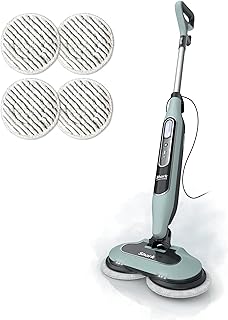
Shark Steam & Scrub
Shark’s Steam & Scrub S8001 is built for buyers who want mechanical assistance as well as heat: its soft scrub pads help agitate tracked-in soil while LED headlights reveal debris near cabinets and baseboards. Swivel steering improves maneuverability, but the moving scrub mechanism adds complexity compared with a conventional flat-pad mop.
McCulloch MC1385 Canister Steam Cleaner
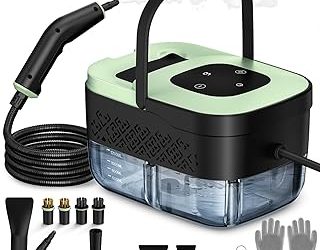
The MC1385 is the most versatile tile-focused option here, using a canister format and a broad accessory kit to address grout, corners, fixtures, furniture, and vehicle interiors. Its hose and tools offer better reach than an upright mop, though the separate canister requires more storage space and more setup between tasks.
Shark SteamSpot Steam Mop
The SteamSpot S2001 suits homes where targeted cleaning matters more than maximum accessory range. Three steam modes, a removable XL tank, and Steam Blaster technology provide useful control around grout lines and sticky spots, while the lightweight design reduces fatigue during quick, frequent passes.
10-in-1 Detachable Handheld Steam Mop
This 10-in-1 model is aimed at buyers who want one compact machine for floors and small-detail jobs, with a detachable handheld unit, swivel head, fast heat-up, and two steam settings. It offers appealing flexibility for tile, grills, and car accessories, but its smaller tank means more refills during large floor-cleaning sessions.
Frequently Asked Questions
Is steam safe for tile floors?
Steam is generally suitable for sealed ceramic and porcelain tile when used according to the flooring manufacturer’s guidance. Avoid prolonged steaming over cracked tile, damaged grout, or unsealed natural stone, and keep the head moving rather than holding it in one place.
Does a steam mop clean grout?
Steam can soften surface grime and soap residue in grout, especially when paired with a brush or scrub feature. It cannot restore missing grout or remove every deeply embedded stain, so heavily soiled joints may still need a compatible cleaner and manual agitation.
Should I use detergent in a steam mop?
Usually, no. Most steam mops are designed for water alone, and adding detergent can damage internal components, leave residue, or void the warranty; check the manual before using anything other than the specified water.
How should I maintain a steam mop?
Empty the tank after use, wash and fully dry microfiber pads, wipe the head, and inspect the cord, clips, and joints periodically. If your water is hard, follow the manufacturer’s descaling instructions to limit mineral buildup and preserve steam output.
Final Thoughts
For dependable everyday tile care, the BISSELL PowerFresh is a balanced starting point, while the Shark Steam & Scrub is the stronger pick when agitation and visibility matter. Choose the McCulloch MC1385 if grout, edges, and above-floor cleaning justify a more substantial canister system.