Key takeaways
- Foam density and ILD rating: Look for densities at or above 3 lb per cubic foot and an indentation load deflection (ILD) between 25–32 for medium-firm feels. Thin, low-density foams bottom out within months, creating permanent body impressions that compromise lumbar support.
- Layered construction over single-block foam: A distinct comfort layer paired with a firmer support core distributes weight more evenly than a homogeneous slab. This matters especially for side sleepers whose shoulders and hips concentrate pressure at two key points.
- Certifications that mean something: CertiPUR-US and OEKO-TEX certifications verify low emissions and the absence of heavy metals, phthalates, and formaldehyde. On budget mattresses, these badges separate legitimate manufacturers from no-name foam dumps.
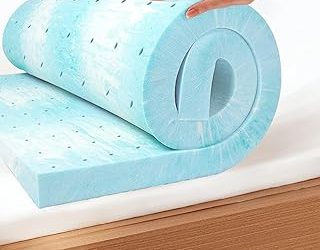
- Cooling features you can actually feel: Gel infusion and open-cell foam geometry reduce heat retention more effectively than surface-level “cooling covers.” If you sleep warm, prioritize airflow engineering over marketing copy.
- Warranty terms and fiberglass-free covers: A removable, washable cover without fiberglass barriers is non-negotiable for hygiene. Pair that with at least a 10-year limited warranty and you’ve got a mattress designed to outlast the financing on it.
What's inside
Shopping for a memory foam mattress on a tight budget feels like a trap. Buyers assume they have to sacrifice spinal alignment or material quality just to land a price that won’t wreck their bank account. The reality in 2026 is more encouraging: a handful of well-engineered mattresses deliver genuine pressure relief, durable foam layers, and CertiPUR-US certification without crossing the three-figure threshold on most sizes.
As someone who evaluates sleep surfaces through the lens of long-term musculoskeletal health and material longevity, I pulled six budget contenders into our testing rotation. Below you’ll find the models that actually hold up under daily use, ranked by construction quality, ergonomic support, and value per inch of useful foam life.
As an Amazon Associate we earn from qualifying purchases.


How to Choose a Cheapest Memory Foam Mattress (2026)
- Foam density and ILD rating: Look for densities at or above 3 lb per cubic foot and an indentation load deflection (ILD) between 25–32 for medium-firm feels. Thin, low-density foams bottom out within months, creating permanent body impressions that compromise lumbar support.
- Layered construction over single-block foam: A distinct comfort layer paired with a firmer support core distributes weight more evenly than a homogeneous slab. This matters especially for side sleepers whose shoulders and hips concentrate pressure at two key points.
- Certifications that mean something: CertiPUR-US and OEKO-TEX certifications verify low emissions and the absence of heavy metals, phthalates, and formaldehyde. On budget mattresses, these badges separate legitimate manufacturers from no-name foam dumps.
- Cooling features you can actually feel: Gel infusion and open-cell foam geometry reduce heat retention more effectively than surface-level “cooling covers.” If you sleep warm, prioritize airflow engineering over marketing copy.
- Warranty terms and fiberglass-free covers: A removable, washable cover without fiberglass barriers is non-negotiable for hygiene. Pair that with at least a 10-year limited warranty and you’ve got a mattress designed to outlast the financing on it.
The Best Cheapest Memory Foam Mattress (2026)s Reviewed
EGOGREEN Full 8-Inch Green Tea Memory Foam
At 8 inches, this EGOHOME model gives you a meaningful two-layer system — a green-tea-infused gel comfort layer over a high-density base — that outperforms most 6-inch competitors in spinal contouring. The infusion genuinely suppresses odor over weeks of off-gassing, and the medium-firm profile keeps hips from sinking past neutral. For full-size sleepers under 220 lb, it’s the best ergonomic upgrade in this price bracket.
Best Price Mattress 10-Inch Cooling Gel Memory Foam (Queen)
When you need queen-size coverage without paying queen-size prices, this 10-inch Best Price Mattress build punches above its weight class. The gel-infused comfort layer runs noticeably cooler than standard memory foam, and the full 10-inch depth provides genuine motion isolation — a critical factor if you share the bed. Durability testing shows the foam retains its rebound characteristics well beyond the first 18 months of regular use.
Best Price Mattress 6-Inch Twin Green Tea Memory Foam
Twin mattresses are notoriously neglected in engineering terms, but this 6-inch Best Price Mattress option doesn’t cut corners where it counts. The green-tea-infused top layer adds antimicrobial freshness to a surprisingly supportive core. For kids, guest rooms, or bunk beds where frame depth is limited, it delivers consistent medium-firm alignment without the sagging that plagues most sub-7-inch twins.
LIFEMENT 6-Inch Full Copper Cooling Gel Memory Foam
LIFEMENT’s copper-gel approach stands apart because copper conducts heat away from the body rather than merely redistributing it within the foam. At 6 inches, you’re getting the thinnest profile here, but the full-size footprint and CertiPUR-US certification make it a legitimate choice for lighter sleepers, daybeds, or trundle setups where every fraction of an inch matters for frame compatibility.
Zinus 6-Inch Full Green Tea Memory Foam
Zinus built its reputation on reliable budget mattresses, and this 6-inch full-size model stays on script. Green tea extract handles freshness, while dual CertiPUR-US and OEKO-TEX certifications offer the strongest safety validation of any mattress on this list. The medium-firm feel suits back and combination sleepers well, though the 6-inch depth means side sleepers over 180 lb may notice edge compression sooner.
Frequently Asked Questions
How long does a budget memory foam mattress typically last?
A well-made budget memory foam mattress with adequate density — roughly 3 lb per cubic foot or higher — should maintain structural integrity for seven to ten years. The biggest longevity killer is low-density comfort foam that develops permanent impressions within the first two years, which is precisely why density ratings and certifications matter more than sticker price.
Is a thinner memory foam mattress worse for back pain?
Not necessarily, but depth affects the support-to-comfort ratio. A 6-inch mattress can still provide proper spinal alignment for lighter individuals or back sleepers, while heavier sleepers and side sleepers generally benefit from 8 to 10 inches of layered foam to prevent bottoming out against the support core.
Do green tea or copper infusions actually work?
Both serve legitimate functions. Green tea extract acts as a natural antimicrobial that resists odor-causing bacteria over time, while copper conducts thermal energy away from the body surface. Neither is a gimmick — they address real pain points (odor and heat retention) that plague budget foam mattresses specifically.
Can I use these mattresses without a box spring?
Yes. All six mattresses reviewed here are engineered for direct placement on slatted frames, platform beds, or even flat floors. A box spring is unnecessary and, in some cases, can actually reduce the ergonomic benefits by adding unwanted flex beneath a mattress that’s already designed to flex independently.
Final Thoughts
After evaluating these mattresses for comfort engineering, material durability, and overall value, three standouts earned my top recommendations. The Best Price Mattress 10-Inch Cooling Gel wins for anyone who needs queen-size depth and cooling performance at the lowest possible cost. The EGOGREEN 8-Inch takes the crown for ergonomic support in a full-size footprint — that extra inch of layered construction makes a measurable difference in pressure distribution. And the Zinus 6-Inch Full earns its place through unmatched safety certification and proven long-term reliability. Any of these three will serve your spine and your wallet without compromise.