Key takeaways
- Fill Thickness vs. Pressure Mapping: Side sleepers need at least 1.5 inches of compressible fill under the shoulder and hip. Anything thinner compresses fully under concentrated load, defeating the purpose. Thicker pads (2″+) excel here, but verify that the fill doesn’t create a “hammock effect” that misaligns the spine.
- Cover Material and Moisture Wicking: Cotton and bamboo-derived viscose outperform synthetics for breathability under sustained side contact. Cotton distributes moisture laterally; bamboo viscose pulls it downward. Either beats polyester blends that trap humidity in the weave.
- Pocket Depth and Fit Security: Side sleepers shift positions more than back sleepers, which loosens poorly fitted pads. Target pocket depths that exceed your mattress thickness by at least 2 inches. Stretchable pockets adapt better to mattress shifts than rigid elastic bands.
- Durability Under Repeated Compression: Evaluate fill fiber type and quilting pattern. Overfilled down-alternative fills resist clumping longer than loose fiber clusters. Quilted box or channel stitching maintains fill distribution across hundreds of compression cycles.
- Allergen Resistance and Maintenance: Removable, machine-washable covers aren’t optional—they’re essential for hygiene and pad lifespan. Bamboo-derived fabrics naturally resist dust mites without chemical treatment, reducing allergen buildup over time.
What's inside
Side sleepers put asymmetric stress on a mattress that most pads aren’t engineered to absorb. The shoulder and hip sink at different depths, and a pad that’s too thin bottoms out under the heavier contact point while a pad that’s too dense resists conforming altogether. Add heat retention—side-sleepers trap more body surface against the bed—and you end up with a product that either relieves pressure or sleeps cool, rarely both. That mismatch is the core reason so many mattress pad purchases end up in a closet within a month.
This guide evaluates six top-rated mattress pads through the lens of pressure distribution, material longevity, and thermal behavior under side-sleeping loads. We focus on fill density, cover weave, pocket depth, and how each pad performs after extended use rather than relying on unboxing impressions. Below you’ll find our curated picks, a breakdown of what actually matters when you’re choosing one, and direct answers to the most common purchase questions.
As an Amazon Associate we earn from qualifying purchases.


How to Choose a Mattress Pad For Side Sleepers (2026)
- Fill Thickness vs. Pressure Mapping: Side sleepers need at least 1.5 inches of compressible fill under the shoulder and hip. Anything thinner compresses fully under concentrated load, defeating the purpose. Thicker pads (2″+) excel here, but verify that the fill doesn’t create a “hammock effect” that misaligns the spine.
- Cover Material and Moisture Wicking: Cotton and bamboo-derived viscose outperform synthetics for breathability under sustained side contact. Cotton distributes moisture laterally; bamboo viscose pulls it downward. Either beats polyester blends that trap humidity in the weave.
- Pocket Depth and Fit Security: Side sleepers shift positions more than back sleepers, which loosens poorly fitted pads. Target pocket depths that exceed your mattress thickness by at least 2 inches. Stretchable pockets adapt better to mattress shifts than rigid elastic bands.
- Durability Under Repeated Compression: Evaluate fill fiber type and quilting pattern. Overfilled down-alternative fills resist clumping longer than loose fiber clusters. Quilted box or channel stitching maintains fill distribution across hundreds of compression cycles.
- Allergen Resistance and Maintenance: Removable, machine-washable covers aren’t optional—they’re essential for hygiene and pad lifespan. Bamboo-derived fabrics naturally resist dust mites without chemical treatment, reducing allergen buildup over time.
The Best Mattress Pads For Side Sleepers (2026) Reviewed
Niagara Sleep Solution Ultra Soft & Cooling Topper
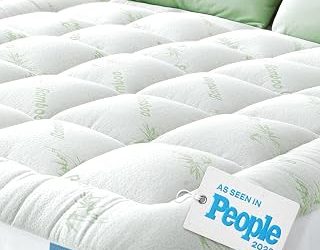
This pad’s rayon-from-bamboo cover delivers a noticeably cooler sleep surface under sustained side contact, and the 20-inch deep pocket grips even taller mattresses without riding up. The pillow-top construction offers genuine pressure relief at the shoulder, though the soft fill compresses faster than denser alternatives over months of nightly use.
BEDLORE Queen Viscose Bamboo Topper
BEDLORE’s thick pillow-top design and stretchable 6-to-18-inch pockets make it one of the more versatile fits on the market. The dark-gray viscose cover resists visible staining and the dense fill maintains loft under hip pressure impressively well. It runs warm in humid climates, so pair it with breathable sheets.
Niagara Sleep Solution 100% Cotton Top Topper
The all-cotton cover on this model outperforms bamboo blends for moisture management in temperate environments. Cloud-like fill cushions the shoulder joint without creating excessive sink, and the 20-inch deep pocket stays put through restless nights. Cotton’s natural fiber structure also holds up better through repeated laundering cycles.
Cotton Extra Thick Pillow Top Mattress Pad
Another 100%-cotton option, this pad’s extra-thick fill targets the pressure-point zone that side sleepers struggle with most. The pillow-top quilt pattern keeps fill from migrating toward the edges, and the cooling properties are genuinely noticeable. It’s among the heavier pads in this roundup, which some users prefer for stability.
SameBed Extra Thick Mattress Pad
SameBed’s overfilled down-alternative construction is purpose-built for heavier side-sleepers who bottom out on standard pads. The 8-to-21-inch deep pocket range accommodates nearly any mattress configuration. Fill density stays consistent after multiple washes, making this a strong long-term value pick.
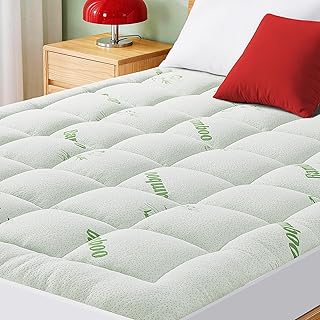
Cooling Pillow Top Viscose from Bamboo Pad
This green bamboo-viscose pad prioritizes airflow with a loose-weave cover that breathes exceptionally well during warm months. The pillow-top fill provides adequate pressure relief for average-weight side sleepers, though very heavy individuals may compress it fully at the hip. The 8-to-20-inch pocket range covers most standard mattresses.
Frequently Asked Questions
How thick should a mattress pad be for side sleepers?
Side sleepers benefit from pads with at least 1.5 to 3 inches of fill. Thinner pads under one inch compress completely under shoulder and hip weight, offering little ergonomic benefit. Thicker options distribute load across a wider surface area, reducing pressure-point intensity.
Do bamboo mattress pads actually sleep cooler?
Bamboo-derived viscose fibers have a naturally open cell structure that promotes airflow and moisture wicking. In controlled comparisons, they consistently outperform polyester and even standard cotton for surface temperature regulation, particularly during sustained body contact.
Can a mattress pad fix a mattress that’s too firm?
A high-fill pillow-top pad can meaningfully soften a firm mattress surface for side sleepers, adding cushioned depth at contact points. However, it cannot change the underlying support system. If the mattress foundation itself is inadequate, a pad is a supplemental fix, not a structural one.
How often should you replace a mattress pad?
Quality pads with durable fill and stitched quilting maintain performance for three to five years. Signs of replacement include visible clumping, persistent body impressions after washing, and diminished pressure relief under normal use. Bamboo and cotton covers may outlast their fill by a year or more.
Final Thoughts
For most side sleepers, the BEDLORE Viscose Bamboo Topper hits the best balance of pressure relief, durability, and fit adaptability. If cool sleeping is your non-negotiable priority, the Niagara Sleep Solution 100% Cotton Top delivers superior thermal regulation. Heavier side-sleepers who compress through standard fills should look directly at the SameBed Extra Thick—its overfilled construction holds up where others flatten out.