Key takeaways
- Firmness Gradient: Pediatric sleep organizations recommend a distinctly firm surface for infants under 12 months to reduce suffocation risk. A mattress that feels rigid under adult hand pressure is typically appropriate for a newborn, while a slightly more adaptive feel suits toddlers who no longer roll unpredictably.
- Dual-Sided Versatility: Two-stage mattresses pair a firm infant side with a softer toddler side, extending useful life from roughly 18 months to 5 years. This layered approach also delays the inevitable compression sag that develops at pressure points near the center.
- Certification Depth: GREENGUARD Gold and CertiPUR-US confirm low chemical emissions during the first 72 hours and throughout the product’s lifecycle, respectively. OEKO-TEX Standard 100 testing goes further by screening the cover fabric itself against over 100 harmful substances.
- Cover Removability and Washability: A zippered, machine-washable cover dramatically reduces the buildup of dust mites, mold spores, and allergens. In clinical pediatric settings, removable covers are considered non-negotiable for maintaining indoor air quality.
- Core Material Behavior: Gel-infused memory foam dissipates heat more effectively than standard polyurethane, while open-cell breathable structures (as seen in Newton Baby’s Breathe-Thru technology) allow continuous air circulation. Each material trades off differently between contouring support and ventilation.
What's inside
Buying a crib mattress looks simple until you realize how much misinformation circulates online. Parents face a maze of conflicting claims about breathability, chemical safety, and whether a firm surface is actually better than a plush one. The stakes are real: an infant spends roughly 14 to 16 hours a day on this surface in the first year, and an improperly selected mattress can compromise spinal alignment during a critical developmental window or expose a child to off-gassing volatiles.
This 2026 roundup approaches crib mattresses from an ergonomics-and-durability standpoint—examining how each option supports developing musculoskeletal structures, resists compression over time, and holds up after repeated cleaning cycles. Every mattress listed meets the U.S. Consumer Product Safety Commission’s standard crib dimensions (approximately 52 x 27.5 inches), but their internal construction, cover engineering, and long-term performance profiles differ considerably.
As an Amazon Associate we earn from qualifying purchases.




How to Choose a Crib Mattress (2026)
- Firmness Gradient: Pediatric sleep organizations recommend a distinctly firm surface for infants under 12 months to reduce suffocation risk. A mattress that feels rigid under adult hand pressure is typically appropriate for a newborn, while a slightly more adaptive feel suits toddlers who no longer roll unpredictably.
- Dual-Sided Versatility: Two-stage mattresses pair a firm infant side with a softer toddler side, extending useful life from roughly 18 months to 5 years. This layered approach also delays the inevitable compression sag that develops at pressure points near the center.
- Certification Depth: GREENGUARD Gold and CertiPUR-US confirm low chemical emissions during the first 72 hours and throughout the product’s lifecycle, respectively. OEKO-TEX Standard 100 testing goes further by screening the cover fabric itself against over 100 harmful substances.
- Cover Removability and Washability: A zippered, machine-washable cover dramatically reduces the buildup of dust mites, mold spores, and allergens. In clinical pediatric settings, removable covers are considered non-negotiable for maintaining indoor air quality.
- Core Material Behavior: Gel-infused memory foam dissipates heat more effectively than standard polyurethane, while open-cell breathable structures (as seen in Newton Baby’s Breathe-Thru technology) allow continuous air circulation. Each material trades off differently between contouring support and ventilation.
The Best Crib Mattresses (2026) Reviewed
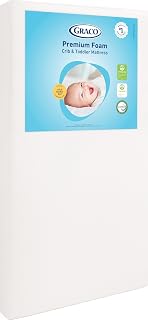
Graco Premium Foam Crib & Toddler Bed Mattress
The Graco Premium Foam delivers a surprisingly well-engineered core at a budget-conscious price point. Its GREENGUARD Gold and OEKO-TEX dual certification means both the interior foam and exterior cover have been independently tested for harmful emissions. The cover is fully machine-washable, which simplifies the frequent sanitation routine every parent knows is unavoidable. Firmness remains consistent even after a full year of daily use, making it a dependable long-term choice.
Newton Baby Crib Mattress
Newton Baby’s Breathe-Thru construction is genuinely distinctive—its open-cell structure allows air to pass completely through the mattress, a design feature that few competitors replicate authentically. From a durability perspective, the mattress resists permanent impressions better than most foam-only alternatives because it relies on a polymer matrix rather than traditional polyurethane. Full washability (the entire mattress goes under a shower) is a practical advantage that reduces long-term allergen accumulation.
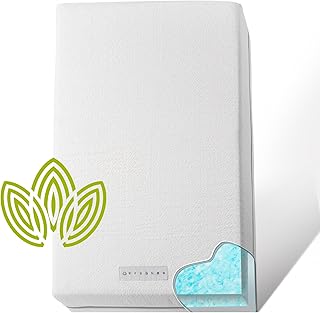
Dourxi Dual-Sided Gel Memory Foam (Standard)
This Dourxi model packs a triple-layer support core that provides graduated resistance—firmer at the base for infant safety and more adaptive near the surface for toddler comfort. The gel-infused memory foam layer moderates surface temperature noticeably, which matters during warmer months when crib bedding is minimal. The removable, breathable cover adds a hygienic layer that withstands machine washing without losing structural shape.
Organic Cotton 2-Side Crib Mattress
The organic cotton cover on this dual-sided mattress offers a genuinely hypoallergenic contact surface free from synthetic pesticide residues. Beneath the fabric, CertiPUR-certified foam provides the firm infant support expected alongside a softer toddler side. At 4 inches thick, it is slightly thinner than competitors, which suits lower-profile crib frames well but may feel less substantial for parents who prefer maximum cushioning depth.
Letmxiu Premium Crib & Toddler Mattress
Letmxiu’s 5-inch profile with a 100% knitted fleece surface creates a notably plush tactile experience without sacrificing the structural firmness underneath. The hypoallergenic cover and non-toxic construction meet basic safety expectations, while the reinforced perimeter stitching addresses a common failure point where cheaper mattresses begin fraying after repeated sheet changes. It fits standard cribs snugly with minimal gap, an often-overlooked safety detail.
Frequently Asked Questions
When should I transition from the firm infant side to the softer toddler side?
Most dual-sided mattresses are designed for transition around 12 months, when your child begins to roll, sit, and eventually stand independently. The firmer infant side provides essential support against facial embedding, while the toddler side contours more gently to growing joints. Always defer to your pediatrician if your child meets developmental milestones earlier or later than average.
Is gel memory foam safe for newborns?
Gel-infused memory foam itself is not inherently unsafe, but the firmness level matters more than the material category. A newborn needs a surface that resists depression under body weight—press the center with your palm and it should snap back immediately. Several gel foam models on this list achieve that standard, but always verify firmness independently rather than assuming the product label alone guarantees it.
How often should a crib mattress be replaced?
A well-constructed crib mattress typically maintains its ergonomic integrity for three to five years. Signs of needed replacement include visible surface sag exceeding a quarter inch, lingering odors despite thorough cleaning, or cover materials that no longer zip securely. CertiPUR and GREENGUARD certifications also indicate that chemical off-gassing diminishes significantly after the first few months.
Do I need a waterproof cover on a crib mattress?
Yes—liquid penetration into the foam core creates conditions where mold and bacteria thrive, compromising both hygiene and structural durability. Waterproof covers prevent moisture migration without trapping heat if they incorporate breathable membrane technology. Many of the mattresses reviewed here integrate waterproofing directly into the removable cover for convenience.
Final Thoughts
From an ergonomics-and-durability perspective, the Newton Baby Crib Mattress stands out for its unmatched breathability and resistance to compression sag. The Graco Premium Foam offers the strongest value proposition when budget matters without wanting to compromise on certifications. For families planning to use a crib mattress well into the toddler years, the Dourxi Dual-Sided Gel Memory Foam provides the most thoughtfully graduated support transition across both developmental stages.