Key takeaways
- Firmness Zone Mapping: A single-density topper will always over-compress where body weight concentrates. Prioritize products with zoned construction or variable-density foam that distributes load more evenly across your spine’s natural curves.
- Foam Density Rating: Look for memory foam at or above 3.5 lb/ft³ density. Lower densities pack faster under nightly load cycles, losing their pressure-relieving properties within one to two years of regular use.
- Layer Thickness vs. Mattress Condition: A 3-inch topper compensates for a moderately degraded mattress, while a 4-inch topper is justified only if the underlying surface has lost significant structural integrity. Thicker is not automatically better for back health.
- Certification Standards: CertiPUR-US certification confirms low VOC emissions and absence of harmful additives. This matters less for spinal support directly and more for ensuring the foam you breathe against for eight hours nightly meets baseline chemical safety thresholds.
- Cover Integration and Maintenance: Removable, washable covers extend topper lifespan and maintain hygiene. Tops without covers or with non-removable covers trap moisture, accelerating foam degradation and harboring allergens near your airway.
What's inside
Most mattress toppers marketed for back pain fail where it matters most: they collapse at the hips and lumbar region within months, shifting the alignment gains that made them feel promising on night one. Buyers end up cycling through budget foam layers, never solving the underlying problem of uneven support distribution across their sleep surface.
This guide evaluates six leading mattress toppers through the lens of spinal alignment mechanics, material resilience, and long-term durability. The recommendations focus on products that maintain consistent pressure relief across the back, shoulders, and hips without developing permanent compression grooves that negate their ergonomic benefits.
As an Amazon Associate we earn from qualifying purchases.


How to Choose a Mattress Topper For Back Problems (2026)
- Firmness Zone Mapping: A single-density topper will always over-compress where body weight concentrates. Prioritize products with zoned construction or variable-density foam that distributes load more evenly across your spine’s natural curves.
- Foam Density Rating: Look for memory foam at or above 3.5 lb/ft³ density. Lower densities pack faster under nightly load cycles, losing their pressure-relieving properties within one to two years of regular use.
- Layer Thickness vs. Mattress Condition: A 3-inch topper compensates for a moderately degraded mattress, while a 4-inch topper is justified only if the underlying surface has lost significant structural integrity. Thicker is not automatically better for back health.
- Certification Standards: CertiPUR-US certification confirms low VOC emissions and absence of harmful additives. This matters less for spinal support directly and more for ensuring the foam you breathe against for eight hours nightly meets baseline chemical safety thresholds.
- Cover Integration and Maintenance: Removable, washable covers extend topper lifespan and maintain hygiene. Tops without covers or with non-removable covers trap moisture, accelerating foam degradation and harboring allergens near your airway.
The Best Mattress Topper For Back Problems (2026) Reviewed
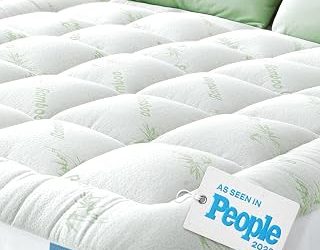
BEDLORE Viscose Bamboo Pillow Top Topper
Its stretchable pocket design grips mattresses ranging from 6 to 18 inches thick, eliminating the lateral migration that undermines alignment in thinner-pad alternatives. The viscose bamboo surface layer actively pulls heat away from the contact zone, which keeps the underlying foam pliable and responsive throughout the night rather than stiffening into a rigid, unsupportive slab.
SINWEEK 3 Inch Gel Memory Foam Topper
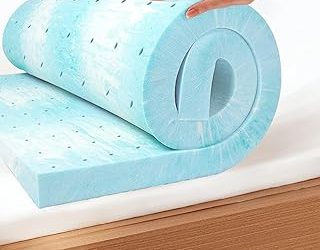
This ventilated high-density pad strikes an effective balance between contouring softness and structural pushback. The ventilation channels aren’t cosmetic—they accelerate heat dissipation from the foam core, preventing the overnight firmness increase that plagues cheaper solid memory foam layers. The removable cover adds a practical maintenance layer many competitors skip.
Lucid 4 Inch Memory Foam Topper
At four inches, this is the most aggressive contouring option in the group, designed for sleepers whose existing mattress has substantially failed in pressure relief. The cooling gel infusion works in tandem with the ventilated cell structure to maintain consistent foam response across sleeping positions. The extra depth makes it especially effective for side sleepers whose shoulder-to-hip alignment demands significant material travel.
Lucid 2 Inch Gel Memory Foam Topper (5 Zones)
The five-zone construction is this topper’s defining ergonomic feature, with firmness varying across head, shoulder, lumbar, hip, and leg regions. For back sleepers experiencing localized lower-back pain, this targeted approach addresses the root cause rather than masking symptoms with blanket softness. The thinner profile also means less heat retention at the sleep surface.
Tempur-Pedic TEMPUR-Adapt + Cooling 3-Inch Topper
Tempur-Pedic’s proprietary foam compound responds to pressure and temperature simultaneously, conforming more aggressively during the first ten minutes of contact before stabilizing into a supportive hold. The washable zippered cover is among the most durable tested, and the medium-firmness calibration avoids the “sinking quicksand” sensation that traps some sleepers in awkward spinal positions.
Frequently Asked Questions
How thick should a mattress topper be for chronic back pain?
Three inches is the general threshold where meaningful pressure relief begins for most adults. Two-inch options like the Lucid 5-zone work well when the existing mattress still has residual firmness, while four inches becomes necessary only when the base mattress has noticeably sagged or softened beyond its intended support profile.
Can a mattress topper fix a sagging mattress?
A topper can mask mild surface-level sag but cannot correct deep structural depression in the mattress core. If the sag exceeds one inch or creates a visible valley, the underlying support system needs replacement, not another comfort layer on top of a failing foundation.
How long do memory foam toppers last before they need replacing?
Density is the primary predictor. High-density options like the SINWEEK and Tempur-Pedic models typically maintain functional support for four to six years. Lower-density foams compress permanently within two to three years, at which point they can actively worsen spinal misalignment rather than correct it.
Do cooling gel toppers actually affect sleep quality?
Thermoregulation directly impacts sleep depth. Body temperature must drop roughly two degrees for the brain to enter deep sleep stages. Gel-infused and ventilated foams accelerate this cooling phase, which translates to fewer nighttime awakenings and more consistent restorative sleep cycles—particularly relevant for back-pain sufferers whose discomfort already fragments their sleep.
Final Thoughts
The Lucid 2-Inch 5-Zone Topper offers the most targeted ergonomic correction for localized back pain, while the Tempur-Pedic TEMPUR-Adapt + Cooling delivers the best long-term material resilience backed by measurable clinical heritage. For buyers managing both back pain and heat sensitivity on a moderate budget, the SINWEEK 3-Inch Gel Memory Foam provides the strongest balance of zoned support, airflow design, and durability testing in its price range.