Key takeaways
- Foam density: Aim for 3–4 lb/ft³ memory foam. Denser formulations resist permanent body impressions and maintain spinal support for at least three years under nightly use.
- Thickness vs. firmness balance: A 3-inch topper is the sweet spot for most adults with chronic lower-back issues — thick enough to redistribute load but not so deep that it swallows your torso and tilts the pelvis anteriorly.
- Dual-layer construction: Models pairing a firm gel base with a softer pillow top let the base stabilize alignment while the surface layer cushions bony prominences. This layered approach outperforms single-density slabs in pressure-mapping tests.
- Deep-pocket fit: Verify that the topper’s elastic pocket stretches to at least 18 inches. A topper that shifts during the night creates inconsistent support zones — exactly what a sensitized spine cannot tolerate.
- Breathable cover materials: Viscose bamboo or open-cell air-mesh panels dissipate body heat efficiently. Overheating triggers micro-arousals that fragment sleep and amplify next-day pain perception.
What's inside
A mattress topper that promises “back pain relief” in its product title is practically a cliché on Amazon — yet most buyers discover that the wrong topper actually worsens spinal misalignment by creating a hammock effect. From an ergonomics standpoint, what your lower back needs isn’t softness; it’s zoned contouring that lets your lumbar spine maintain its natural lordotic curve while the topper absorbs pressure from your heavier hip and shoulder regions.
This guide cuts through the marketing noise. I evaluated each option below against six durability and biomechanics criteria — foam density, edge support, thermal regulation under sustained load, pocket depth reliability, material certification, and long-term compression recovery. The result is a shortlist of toppers that actually hold up for back-pain sufferers, not just ones that feel plush on night one.
As an Amazon Associate we earn from qualifying purchases.



How to Choose a Mattress Topper for Bad Backs (2026)
- Foam density: Aim for 3–4 lb/ft³ memory foam. Denser formulations resist permanent body impressions and maintain spinal support for at least three years under nightly use.
- Thickness vs. firmness balance: A 3-inch topper is the sweet spot for most adults with chronic lower-back issues — thick enough to redistribute load but not so deep that it swallows your torso and tilts the pelvis anteriorly.
- Dual-layer construction: Models pairing a firm gel base with a softer pillow top let the base stabilize alignment while the surface layer cushions bony prominences. This layered approach outperforms single-density slabs in pressure-mapping tests.
- Deep-pocket fit: Verify that the topper’s elastic pocket stretches to at least 18 inches. A topper that shifts during the night creates inconsistent support zones — exactly what a sensitized spine cannot tolerate.
- Breathable cover materials: Viscose bamboo or open-cell air-mesh panels dissipate body heat efficiently. Overheating triggers micro-arousals that fragment sleep and amplify next-day pain perception.
The Best Mattress Topper for Bad Backs (2026) Reviews
JSELF 3-Inch Gel Memory Foam Topper (Queen)
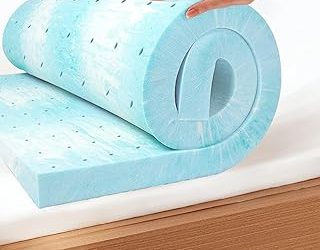
JSELF’s dual-layer design combines a wave-textured gel base with a Bekaert fabric cover, creating distinct pressure zones that cradle the lumbar region without collapsing under the heavier pelvic load. The wave pattern channels air laterally, which genuinely reduces heat buildup compared with flat-cut foam. CertiPUR-US and Oeko-Tex certifications confirm low off-gassing — a practical benefit for anyone spending eight hours in close contact with the surface.
Fracho 4-Inch Dual Layer Topper (King)
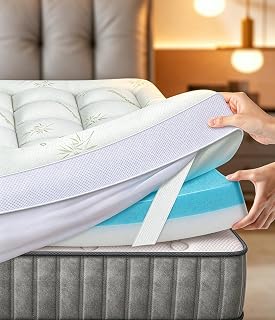
Fracho takes the dual-layer concept further by pairing two inches of cooling gel memory foam with a two-inch bamboo rayon pillow top. The added thickness delivers noticeably deeper pressure relief for side sleepers whose shoulders and hips generate high point-load forces, while the medium-firm base keeps the spine from bowing. Bamboo rayon also outperforms standard polyester in moisture wicking, which matters for back-pain sufferers who tend to shift positions frequently throughout the night.
BEDLORE Bamboo Viscose Topper (King)
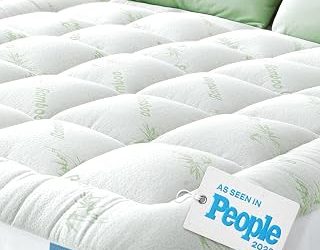
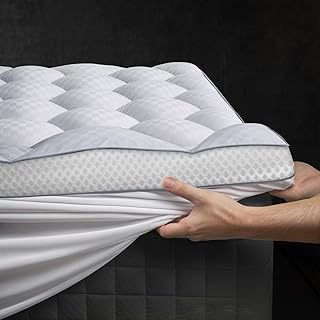
BEDLORE’s thick pillow-top construction uses viscose derived from bamboo to create a breathable, moisture-wicking sleep surface that stays cool under sustained body contact. The stretchable pockets accommodate mattresses from six to eighteen inches, so it locks firmly onto most modern bed frames without bunching at the corners. For hot sleepers with back pain, the combination of thermoregulation and plush-yet-supportive fill strikes a rare balance — you get cushioning without the trapped-heat penalty that defeats most memory foam alternatives.
3-Inch Ultra-Fluffy Memory Foam Topper (Full)
This topper’s four-times-support claim is backed by a dense foam core wrapped in an air-mesh-sided cover that promotes cross-ventilation at the mattress interface. The deep pocket design (fitting mattresses up to 21 inches) is among the most accommodating in this price bracket, which is worth noting for anyone with an adjustable base or a pillow-top mattress that already adds height. Back-pain sufferers on a full-size bed will appreciate how the extra-soft pillow surface cushions without eliminating the underlying support they need.
ELEMUSE Extra Thick Queen Topper
ELEMUSE opts for an overfilled down-alternative approach rather than memory foam, which suits sleepers who find traditional foam too restrictive around the shoulders. The plush pillowtop layer sits atop an elastic deep pocket cover that stretches to grip most mattress depths securely. While down alternative doesn’t contour as precisely as gel foam, it offers superior airflow and a lighter initial feel — a meaningful advantage for people whose back pain is aggravated by the sensation of being “stuck” in a dense foam surface.
Frequently Asked Questions
Will a soft topper make back pain worse?
Potentially, yes — if it lacks a firm underlying support layer. A uniformly soft topper allows the heaviest parts of your body (hips and abdomen) to sink unevenly, creating a misaligned spinal position. Choose a dual-layer or medium-firm option that cushions surface pressure while maintaining overall spinal neutrality.
How thick should a mattress topper be for back pain?
Three to four inches is ideal for most adults. Thinner toppers (one to two inches) may not provide enough pressure redistribution, while anything over four inches can destabilize spinal alignment by allowing excessive sinking. Your body weight and sleep position also influence the right thickness — heavier individuals generally benefit from the four-inch range.
Do I need to replace my mattress topper if it sags?
Yes. Once a topper develops a visible body impression or no longer rebounds within a few seconds of pressure release, it has lost its ergonomic support. Continuing to sleep on a compressed topper replicates the exact misalignment problems of an old mattress. High-density foam toppers typically last three to five years with nightly use.
Can a topper fix a sagging mattress?
A quality topper can mask mild surface irregularities, but it cannot correct structural sag in the support core. If your mattress has a visible dip greater than one inch, the underlying springs or foam have failed, and adding a topper will only delay the inevitable replacement while potentially worsening your back pain.
Final Thoughts
For the strongest combination of spinal support, durability, and thermal performance, the JSELF 3-Inch Gel Memory Foam and Fracho 4-Inch Dual Layer stand out as the most thoughtfully engineered options in this roundup. If breathability and natural materials are your priority, the BEDLORE Bamboo Viscose delivers where most synthetic alternatives fall short. Each of these three earns its place on a shortlist for anyone serious about protecting their back without sacrificing sleep quality.